Meal Prep Evolution: 2-Hour Sunday Formula for Stress-Free Weekdays
Advertisements
The Sunday Meal Prep 2-Hour Formula revolutionizes weekday dining by providing a structured, efficient approach to preparing balanced meals, significantly reducing daily cooking stress and promoting healthier eating habits for busy individuals.
In today's fast-paced world, finding time for balanced meals can feel like an insurmountable challenge. This is where the concept of Sunday Meal Prep truly shines, offering a practical, efficient solution to transform your weekday dining into a stress-free and nutritious experience.
Understanding the Meal Prep Revolution
Meal preparation, often shortened to meal prep, has evolved from a niche practice for bodybuilders and extreme dieters into a mainstream lifestyle choice. It’s no longer about bland chicken and broccoli for every meal. Instead, it's a dynamic, customizable strategy that empowers individuals to take control of their nutrition, save time, and reduce food waste. The core principle remains the same: dedicating a specific block of time to prepare meals or meal components in advance, setting yourself up for success throughout the week.
The beauty of modern meal prep lies in its versatility. Whether you're a vegetarian, a meat-lover, following a specific dietary plan, or simply trying to eat healthier, meal prep can be tailored to fit your needs. It's about proactive planning, smart shopping, and efficient cooking. By front-loading your kitchen efforts, you free up precious weekday evenings, allowing for more relaxation, exercise, or time with loved ones, rather than rushing to cook after a long day.
Beyond Just Saving Time: The Multifaceted Benefits
While time-saving is a primary driver for many, the advantages of adopting a consistent meal prep routine extend far beyond the clock. It fosters better nutritional habits by encouraging conscious food choices and portion control. It also provides significant financial savings by reducing impulse purchases, takeout orders, and food spoilage. Furthermore, the mental clarity gained from not having to decide what to eat daily is invaluable, easing decision fatigue and daily stress.
- Financial Savings: Drastically cuts down on restaurant and takeout expenses.
- Nutritional Control: Ensures healthier ingredients and balanced macronutrients.
- Time Efficiency: Frees up weekday evenings and reduces daily cooking time.
- Reduced Food Waste: Maximizes the use of purchased groceries.
The meal prep revolution signifies a shift towards intentional eating and mindful living. It's an investment in your health, your wallet, and your peace of mind. By embracing this approach, you're not just preparing food; you're cultivating a more organized, healthier, and ultimately happier lifestyle.
The 2-Hour Sunday Formula: Blueprint for Success
The idea of dedicating an entire Sunday to cooking might seem daunting, but with the right strategy, it's entirely manageable within a mere two hours. The key lies in a systematic approach that prioritizes efficiency and smart execution. This 2-hour formula isn't about cooking every single meal from scratch; it's about preparing components that can be assembled quickly, or cooking entire dishes that reheat well. It's a strategic dance between various kitchen tasks, ensuring no time is wasted.
Before you even step into the kitchen, the formula begins with meticulous planning. This involves mapping out your meals for the week, checking your pantry inventory, and creating a precise grocery list. Without this foundational step, your two hours can quickly spiral into chaos. Once the plan is solid, the cooking phase itself becomes a streamlined process, focusing on multi-tasking and maximizing oven and stovetop space.
Phase 1: Planning and Shopping (Approx. 30-45 minutes, done before Sunday)
This phase, ideally completed on Saturday or even earlier in the week, is crucial. It sets the stage for a smooth Sunday. Begin by deciding on 3-4 main dishes you'd like to eat throughout the week. Think about recipes that share common ingredients or cooking methods. For instance, if you're roasting vegetables for one dish, you might roast extra for another. Next, check what you already have at home and then compile a detailed grocery list, organized by supermarket sections to save time while shopping.
- Meal Selection: Choose versatile recipes (3-4 main dishes).
- Inventory Check: Know what you already possess.
- Grocery List: Create an organized, efficient shopping list.
- Shopping Trip: Execute your grocery run with purpose.
By investing this initial time in planning and shopping, you eliminate decision fatigue and last-minute grocery runs, which are notorious time-wasters. This pre-Sunday prep ensures that when your two-hour timer starts, you have all the necessary ingredients and a clear vision of what needs to be done.
Strategic Ingredient Preparation: Maximizing Efficiency
Once you have your ingredients, the next critical step in the 2-hour Sunday Meal Prep formula is strategic ingredient preparation. This isn't just about chopping; it's about understanding which ingredients can be prepared in advance without compromising freshness or quality, and how to do so in the most time-efficient manner. Batching tasks and utilizing kitchen tools effectively are paramount here. Think about what can be washed, chopped, marinated, or even partially cooked and stored.
The goal is to minimize hands-on time during the busy workweek. For example, dicing all your onions, peppers, and carrots for multiple dishes at once, or washing and tearing all your leafy greens. This phase often involves a bit of assembly-line thinking, where you move from one type of task to the next across all your planned meals.
Batching and Multi-Tasking Techniques
To truly maximize your two hours, simultaneous cooking and preparation are essential. While one item is roasting in the oven, you can be chopping vegetables for another dish, or stirring a sauce on the stovetop. This requires a bit of foresight and coordination, but it significantly cuts down on overall cooking time. Consider using multiple burners and your oven concurrently. For instance, chicken breasts can bake while rice cooks on one burner and vegetables sauté on another.
Another powerful technique is to prepare base ingredients that can be used in various ways. Cook a large batch of quinoa or brown rice that can serve as a base for different bowls throughout the week. Roast a big tray of mixed vegetables that can be added to salads, wraps, or as a side dish. Prepare a versatile protein, like shredded chicken, that can be incorporated into tacos, salads, or pasta dishes.
- Pre-Chopping Vegetables: Dice all your produce at once.
- Marinating Proteins: Prepare meats with marinades for flavor and tenderness.
- Batch Cooking Grains: Cook large quantities of rice, quinoa, or farro.
- Roasting in Bulk: Utilize oven space for various vegetables or proteins.

By focusing on these strategic preparation methods, you turn your kitchen into an efficient meal-making factory. This not only saves time but also ensures that your weekly meals are diverse and flavorful, preventing the dreaded meal prep fatigue that can arise from eating the same exact dish repeatedly.
Cooking Smart: Oven, Stovetop, and Instant Pot Synergy
The true magic of the 2-hour Sunday Meal Prep formula happens when you orchestrate your cooking appliances with precision. Thinking about how your oven, stovetop, and perhaps an Instant Pot or slow cooker can work in tandem is key to efficiency. Each appliance has its strengths, and leveraging them simultaneously allows you to cook multiple components or entire meals without constant supervision, freeing you to focus on other tasks.
Consider your oven as a large, hands-off cooking space for roasting vegetables, baking proteins, or even sheet pan meals. While the oven is busy, your stovetop can be used for simmering sauces, cooking grains, or sautéing ingredients. An Instant Pot can be a game-changer for quickly cooking beans, grains, or even entire stews under pressure, often faster than traditional methods.
Optimizing Appliance Usage for Maximum Output
Start by preheating your oven early. While it’s heating, you can begin chopping vegetables or preparing marinades. Once the oven is ready, load it up with items that have similar cooking temperatures, like root vegetables and chicken thighs. Simultaneously, get your stovetop going. Cook a large batch of rice or quinoa on one burner, and perhaps a lentil soup or chili on another. If you have an Instant Pot, use it for quick cooking of tough cuts of meat or dried beans.
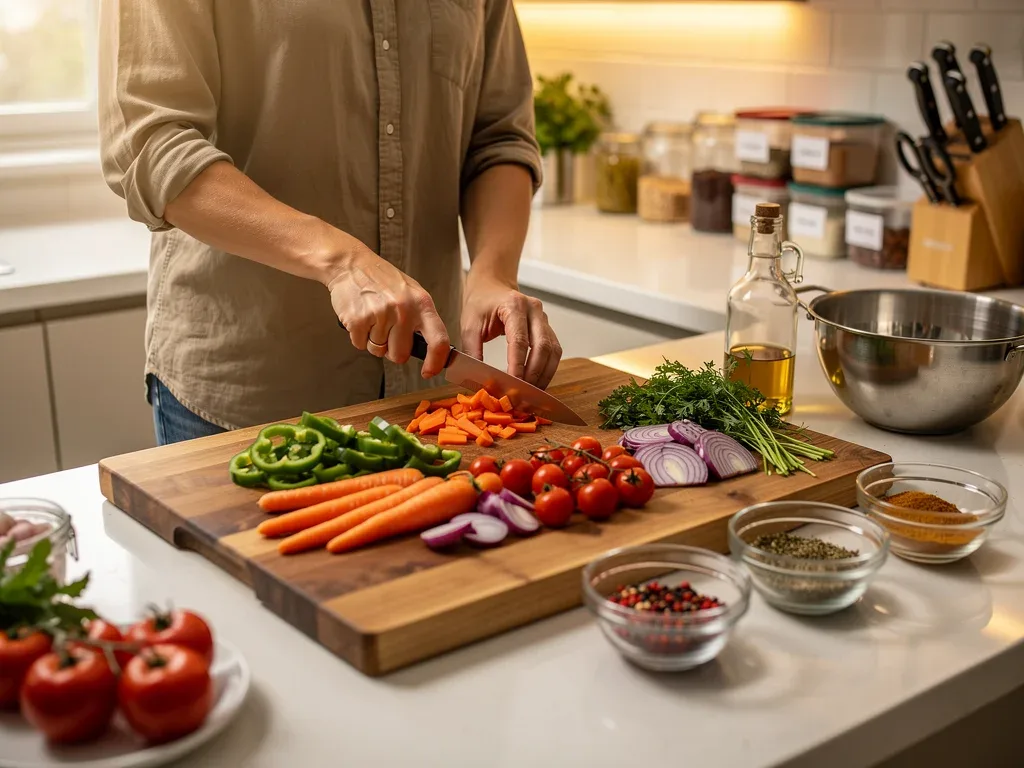
The idea is to have something cooking in every available appliance that makes sense. This multi-pronged approach ensures that you are constantly progressing through your meal plan, rather than waiting for one item to finish before starting another. This synergy is what allows you to condense hours of cooking into a focused two-hour window.
- Oven Power: Roast large batches of vegetables and proteins concurrently.
- Stovetop Action: Simmer sauces, cook grains, and sauté ingredients simultaneously.
- Instant Pot Advantage: Rapidly cook legumes, stews, or tough meats.
- Temperature Matching: Group oven items that require similar temperatures.
By mastering the art of appliance synergy, you transform your kitchen into a highly efficient culinary hub. This not only speeds up the cooking process but also allows for a greater variety of dishes to be prepared within the limited Sunday timeframe, ensuring your weekdays are filled with diverse and delicious meals.
Assembling and Storing: Keeping Meals Fresh and Appealing
Once your ingredients are cooked and cooled, the next crucial step in the Sunday Meal Prep process is the assembly and proper storage of your meals. This phase is just as important as the cooking itself, as it dictates the longevity and appeal of your prepared food throughout the week. Incorrect storage can lead to spoilage, loss of flavor, or an unappetizing appearance, undermining all your hard work.
The goal is to portion your meals effectively and store them in airtight containers, ensuring they remain fresh, safe, and ready to grab-and-go. Thinking about how each meal will be reheated or consumed is also vital during this stage. For instance, some components might be better stored separately and combined just before eating to maintain texture.
Choosing the Right Containers and Storage Techniques
Investing in high-quality, airtight containers is non-negotiable for successful meal prep. Glass containers are often preferred for their durability, ability to go from fridge to microwave/oven, and lack of chemical leaching. Plastic containers are lighter and more portable but should be BPA-free. Ensure your containers are stackable to maximize fridge space.
When assembling, consider the components. For salads, store dressings separately to prevent sogginess. For meals with distinct components, like protein, grain, and vegetables, using containers with dividers can be beneficial. Always allow food to cool completely before sealing and refrigerating to prevent condensation buildup, which can lead to bacterial growth and soggy food. Most prepared meals will last 3-5 days in the refrigerator, while some components can be frozen for longer storage.
- Airtight Containers: Essential for freshness and preventing spoilage.
- Cooling Food Properly: Prevents condensation and bacterial growth.
- Separate Components: Store wet and dry ingredients apart for better texture.
- Freezing Options: Utilize for longer-term storage of certain dishes.
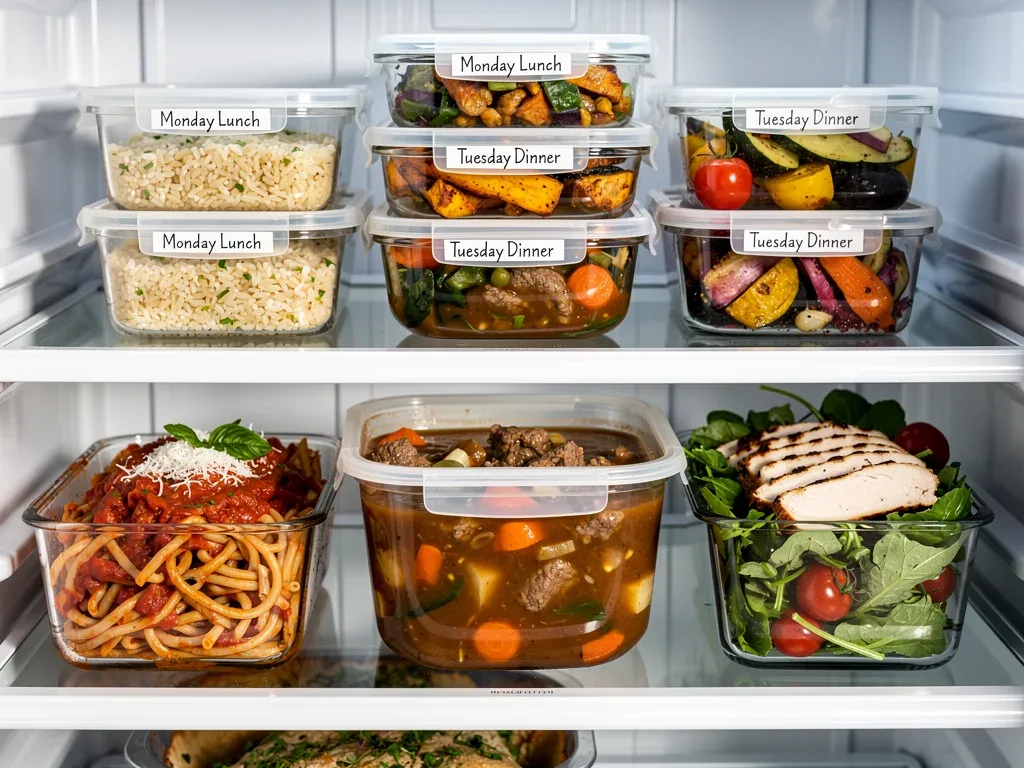
By paying close attention to assembly and storage, you not only extend the life of your prepared meals but also ensure that each meal remains as delicious and appealing as when it was first cooked. This meticulous approach is what transforms a simple cooking session into a week-long culinary convenience.
Beyond the Basics: Advanced Meal Prep Strategies
Once you've mastered the foundational 2-hour Sunday Meal Prep formula, you might be ready to explore more advanced strategies to further enhance your efficiency and meal variety. This involves thinking creatively about your ingredients, leveraging diverse cooking methods, and continuously refining your process based on your personal preferences and schedule. Advanced meal prep isn't about spending more time; it's about making your existing time even more productive and enjoyable.
One key aspect of advanced meal prep is ingredient versatility. Instead of planning distinct meals, think about preparing a few core ingredients that can be mixed and matched throughout the week to create entirely different dishes. This approach keeps things exciting and prevents meal fatigue, a common challenge for long-term meal preppers.
Theme-Based Meal Prepping and Ingredient Cycling
Consider adopting theme-based meal prepping. For example, one week could be "Mediterranean-inspired," focusing on ingredients like chickpeas, feta, olives, and grilled chicken, which can be combined into salads, wraps, or grain bowls. Another week might be "Asian-fusion," utilizing ingredients like rice noodles, soy sauce, ginger, and stir-fry vegetables. This adds a creative element and ensures a cohesive flavor profile across your meals.
Ingredient cycling is another powerful technique. Instead of buying the same vegetables every week, rotate your produce choices seasonally. This not only keeps your diet varied but also allows you to take advantage of fresher, more affordable ingredients. Furthermore, don't shy away from utilizing your freezer for more than just raw ingredients. Batch cook larger portions of freezable meals like soups, stews, or chili, and freeze them in individual portions for future grab-and-go options.
- Versatile Ingredient Focus: Cook components that can be used in multiple dishes.
- Theme Weeks: Plan meals around a geographical or culinary theme.
- Seasonal Cycling: Incorporate seasonal produce for variety and freshness.
- Freezer Mastery: Utilize the freezer for long-term meal storage and rotation.
By incorporating these advanced strategies, your Sunday meal prep sessions become less about strict adherence to recipes and more about creative culinary exploration. This not only keeps your taste buds happy but also reinforces the sustainability and enjoyment of your meal prepping journey, making it a truly integral part of a balanced, stress-free lifestyle.
Troubleshooting Common Meal Prep Challenges
Even with the best intentions and a solid formula, meal prepping can present its own set of challenges. From food fatigue to time constraints and unexpected ingredient issues, encountering obstacles is a normal part of the process. However, recognizing these common hurdles and having strategies to overcome them can ensure your Sunday Meal Prep routine remains sustainable and enjoyable in the long run.
One of the most frequently cited problems is "meal prep fatigue," where eating similar meals day after day leads to boredom and a lack of motivation. Another common issue is underestimating the time required, leading to rushed or incomplete prep sessions. Addressing these challenges proactively is key to maintaining consistency and reaping the full benefits of your efforts.
Overcoming Food Fatigue and Time Management Hurdles
To combat food fatigue, introduce variety. This doesn't necessarily mean cooking entirely new dishes each week. Instead, focus on versatile components that can be combined in different ways. For example, roasted chicken can be turned into a salad, a wrap, or served with different side dishes. Experiment with new spices and sauces to alter the flavor profile of staple ingredients. Furthermore, don't feel pressured to prep every single meal; sometimes, just having lunch and a few dinners ready is enough to make a significant difference.
For time management, re-evaluate your planning phase. Are you creating a realistic grocery list? Are you batching tasks effectively? Utilize kitchen gadgets like food processors for chopping or sheet pans for roasting multiple items at once. If two hours feels consistently too short, assess if you're trying to prep too many meals. Sometimes, scaling back slightly can make the routine more manageable and less stressful. Remember, consistency beats perfection.
- Vary Flavors: Use different spices and sauces on similar bases.
- Mix and Match: Create diverse meals from a few core components.
- Realistic Goals: Don't over-commit; start with fewer meals if needed.
- Utilize Tools: Leverage food processors and sheet pans for speed.
By understanding and actively addressing these common meal prep challenges, you can adapt your Sunday routine to better suit your needs and preferences. This flexibility is crucial for long-term success, transforming potential frustrations into opportunities for refinement and a more enjoyable, stress-free weekday dining experience.
Integrating Meal Prep into a Balanced Lifestyle
The ultimate goal of the 2-hour Sunday Meal Prep formula isn't just about efficient cooking; it's about seamlessly integrating this practice into a broader balanced lifestyle. Meal prepping should enhance your well-being, not become another source of stress. When done correctly, it frees up mental and physical energy, allowing you to pursue other aspects of a fulfilling life, from exercise and hobbies to quality time with family and friends.
A balanced lifestyle is holistic, encompassing physical health, mental clarity, and emotional well-being. Meal prep contributes significantly to the physical health component by promoting nutritious eating. However, its impact on mental and emotional health, through stress reduction and increased free time, is equally profound. It’s about creating a sustainable system that supports your overall life goals.
Mindfulness and Flexibility in Your Prep Journey
While structure is key, maintaining an element of mindfulness and flexibility is vital. Don't view your meal prep plan as an unchangeable decree. Life happens, and sometimes a prepped meal might not align with a spontaneous dinner invitation or a sudden craving. Be willing to adjust without guilt. The benefits of meal prep are cumulative, and missing a day or having an unplanned meal will not derail your entire effort.
Furthermore, use the time saved during the week to engage in activities that bring you joy and relaxation. Whether it's reading a book, going for a walk, or pursuing a creative endeavor, these moments contribute significantly to a balanced lifestyle. Meal prep is a tool to create more space in your life, not to fill it with rigid rules. Embrace the freedom and peace of mind it offers, and let it be a positive force in your journey towards holistic well-being.
- Holistic Approach: Connect meal prep to overall well-being.
- Flexibility: Allow for deviations and spontaneous plans.
- Stress Reduction: Use freed-up time for relaxation and hobbies.
- Continuous Learning: Adapt and refine your process over time.
By viewing meal prep as an integral part of a balanced lifestyle, rather than an isolated chore, you unlock its full potential. It becomes a sustainable habit that not only nourishes your body but also supports your mental and emotional health, ultimately leading to a more harmonious and stress-free existence.
| Key Aspect | Brief Description |
|---|---|
| Strategic Planning | Essential for efficient grocery shopping and a smooth 2-hour cooking session. |
| Efficient Cooking | Utilizing oven, stovetop, and other appliances simultaneously to save time. |
| Proper Storage | Airtight containers and correct cooling ensure freshness and longevity of meals. |
| Variety & Flexibility | Key to preventing meal fatigue and adapting to life's unpredictable moments. |
Frequently Asked Questions About Sunday Meal Prep
What are the best types of meals for Sunday meal prep?▼Ideal meals for Sunday meal prep are those that reheat well and can be easily portioned. Think about sheet pan dinners, grain bowls, hearty salads with protein, chili, soups, and stews. Dishes with separate components that can be combined later also work great.
How can I prevent my meal-prepped food from getting soggy?▼To prevent sogginess, always let food cool completely before sealing and refrigerating. Store dressings, sauces, and crispy components (like croutons) separately. Use containers with dividers or keep wet and dry ingredients apart. Proper ventilation during initial cooling is crucial.
What essential tools do I need for efficient meal prepping?▼Key tools include high-quality airtight containers (glass is recommended), a sharp chef's knife, a large cutting board, measuring cups and spoons, a food scale, and optionally, a large sheet pan, Instant Pot, or slow cooker for batch cooking.
Can I freeze meal-prepped items to extend their shelf life?▼Yes, many meal-prepped items freeze exceptionally well. Soups, stews, chili, cooked grains, and some cooked proteins (like shredded chicken or ground meat) can be frozen in individual portions for up to 2-3 months. Label containers with dates for best practice.
How do I keep my meal prep varied to avoid boredom?▼To prevent boredom, rotate your recipes weekly, experiment with different cuisines, and focus on versatile ingredients that can be combined in various ways. Use different spices, herbs, and sauces to change flavor profiles, and don't prep every single meal.
Conclusion
Embracing the 2-hour Sunday Meal Prep formula is more than just a culinary hack; it's a strategic lifestyle upgrade that promises to revolutionize your weekday dining. By dedicating a focused block of time on Sunday, you gain control over your nutrition, significantly reduce daily stress, and free up invaluable time during the busy workweek. This systematic approach, from meticulous planning and smart shopping to efficient cooking and proper storage, empowers you to consistently enjoy balanced, delicious meals without the daily hassle. It's an investment in your health, your finances, and your peace of mind, proving that a little preparation can go a long way in fostering a more harmonious and fulfilling life.
