7 Zero-Waste Pantry Systems: Slash Grocery Waste by 30%
Advertisements
Implementing effective zero-waste pantry systems can dramatically cut household grocery waste by 30%, fostering sustainable living through smart organization, bulk buying, and mindful consumption practices.
Are you ready to transform your kitchen into a bastion of sustainability and significantly reduce your environmental footprint? Implementing zero-waste pantry systems is not just a trend; it's a powerful strategy that can slash household grocery waste by an impressive 30%, leading to both environmental benefits and substantial savings.
Understanding the Zero-Waste Pantry Philosophy
The zero-waste pantry philosophy extends beyond mere organization; it's a holistic approach to food management that prioritizes waste reduction at every step. This involves minimizing packaging, maximizing food longevity, and conscientiously consuming what you buy. It’s about creating a system where food waste becomes a rarity, not a regularity.
Embracing this mindset means thinking critically about where your food comes from, how it's packaged, and how you store it. The goal is to move towards a circular economy within your home, where resources are reused and waste is diverted from landfills. This approach benefits the planet and often leads to healthier eating habits and a more streamlined kitchen.
The Environmental Impact of Food Waste
- Food waste contributes significantly to greenhouse gas emissions, particularly methane from landfills.
- Vast amounts of water, energy, and resources are used to produce food that is ultimately discarded.
- Reducing food waste alleviates pressure on natural ecosystems and conserves biodiversity.
Economic Benefits for Households
Beyond environmental stewardship, a zero-waste pantry offers tangible financial advantages. By planning meals, buying in bulk, and properly storing ingredients, families can avoid impulse purchases and prevent spoilage, directly translating to savings on their grocery bills. This systematic approach ensures that every dollar spent on food is maximized, contributing to a more sustainable household budget.
Ultimately, understanding the core tenets of a zero-waste pantry involves a shift in perspective. It's about viewing food as a precious resource and designing your pantry to reflect that value, making conscious choices that benefit both your wallet and the planet.
System 1: Bulk Buying and Smart Storage Solutions
One of the foundational pillars of any effective zero-waste pantry system is the practice of bulk buying combined with intelligent storage. This strategy not only reduces packaging waste but also often results in cost savings due to lower per-unit prices. However, successful bulk buying requires proper storage to maintain freshness and prevent spoilage.
Investing in appropriate containers is crucial. Glass jars, stainless steel containers, and even repurposed food-grade plastic bins are excellent choices for storing dry goods like grains, pasta, nuts, and legumes. These containers protect food from pests, moisture, and air, significantly extending shelf life. Labeling is also key, indicating contents and purchase dates to ensure a "first in, first out" rotation.
Choosing the Right Containers
- Glass Jars: Ideal for visibility, easy to clean, and non-reactive. Perfect for grains, spices, and liquids.
- Stainless Steel: Durable, opaque, and great for light-sensitive items like certain flours or oils.
- Airtight Bins: Essential for larger quantities of staples like rice, oats, or pet food, keeping them fresh and pest-free.
When purchasing in bulk, always bring your own reusable bags or containers to the store. Many co-ops and health food stores offer bulk sections where you can fill up on essentials without the unnecessary packaging. This simple habit dramatically reduces the amount of single-use plastic entering your home.
Implementing a robust bulk buying and smart storage system is a significant step towards achieving a truly zero-waste pantry. It minimizes environmental impact and ensures that your food remains fresh and accessible, reducing the likelihood of waste.
System 2: First In, First Out (FIFO) Inventory Management
The First In, First Out (FIFO) method is a cornerstone of efficient pantry management, directly combating food waste by ensuring older items are used before newer ones. This principle, often employed in commercial kitchens, is equally valuable in a zero-waste home. It prevents items from expiring unnoticed at the back of your shelves.
To implement FIFO, simply arrange your pantry so that when you bring new groceries home, you place them behind existing items of the same kind. This way, the older products are always at the front, reminding you to grab them first. This disciplined approach minimizes spoilage and ensures a steady rotation of your inventory, keeping everything fresh.
Practical FIFO Application
- When restocking, pull all existing items forward and place new purchases behind them.
- Use clear containers to easily identify contents and their quantities.
- Consider writing purchase dates directly on containers or labels for quick reference.
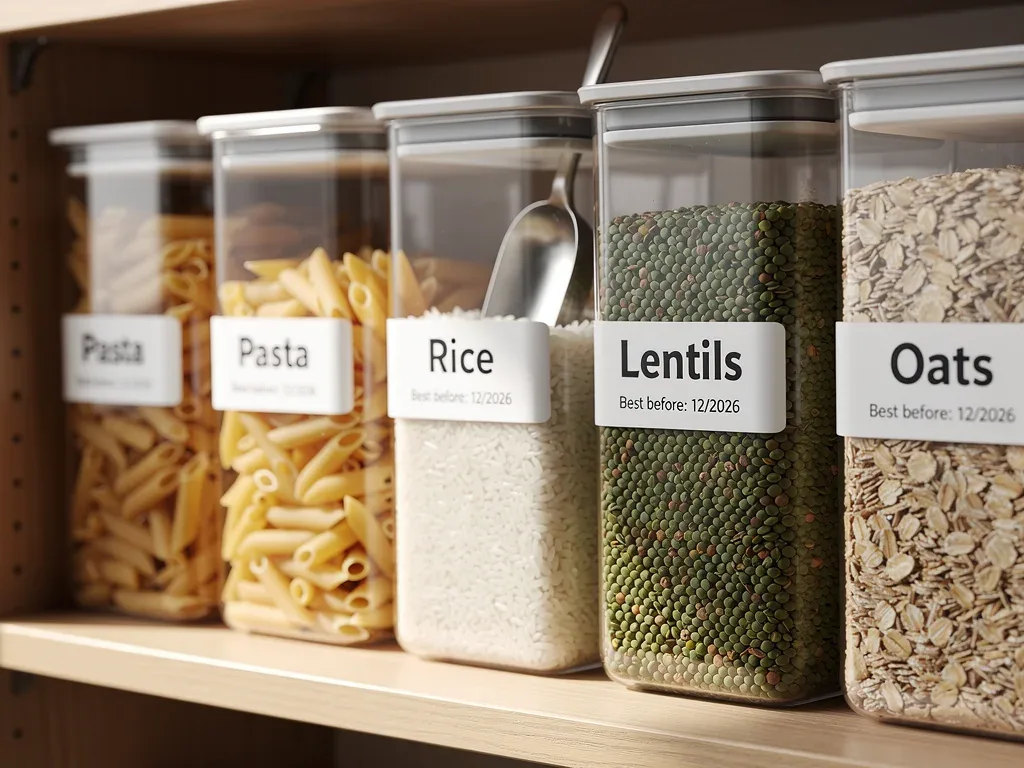
Regularly auditing your pantry is another critical component of FIFO. Set aside time weekly or bi-weekly to quickly scan your shelves, identify items nearing their expiration, and plan meals around them. This proactive approach transforms potential waste into delicious meals, reinforcing your commitment to a zero-waste lifestyle.
Mastering the FIFO system not only reduces waste but also provides a clearer picture of your inventory, helping you make more informed purchasing decisions and avoid overstocking. It's a simple habit with profound benefits for both your pantry and the planet.
System 3: Meal Planning and Shopping Lists
Effective meal planning and meticulous shopping lists are indispensable tools for anyone committed to a zero-waste pantry. These practices work in tandem to prevent over-purchasing, reduce impulse buys, and ensure that every item brought into your home has a purpose. Without a plan, even the most organized pantry can fall victim to forgotten ingredients and eventual waste.
Begin by planning your meals for the week, considering what you already have on hand. This reduces the need to buy duplicate items and encourages creativity in using up existing ingredients. Once your meals are planned, create a detailed shopping list based solely on what you need for those recipes, plus any essential staples you might be running low on.
Benefits of Strategic Meal Planning
- Reduces food waste by ensuring all purchased items are utilized.
- Saves money by preventing impulse buys and unnecessary purchases.
- Streamlines grocery trips, making them more efficient and less stressful.
- Encourages a balanced and varied diet through thoughtful planning.
When you go to the store, stick to your list as strictly as possible. Avoid browsing aisles for items not on your list, as this often leads to acquiring products that may not fit into your meal plan and could ultimately go to waste. Consider using a reusable shopping list app or a dedicated notebook to keep your plans organized and accessible.
By integrating thorough meal planning and precise shopping lists into your routine, you create a powerful defense against food waste. This system ensures that your pantry remains lean, efficient, and truly zero-waste, reflecting a mindful approach to consumption.
System 4: Upcycling and Repurposing Food Scraps
Even with the best planning and organization, some food scraps are inevitable. The zero-waste philosophy doesn't just focus on preventing waste but also on creatively dealing with what's left over. Upcycling and repurposing food scraps transform what would typically be discarded into valuable resources, further minimizing your environmental footprint.
Think beyond the compost bin. Vegetable scraps, for instance, can be frozen and later used to make nutrient-rich broths. Citrus peels can be candied, used to infuse vinegar for cleaning, or dried for aromatic potpourri. Stale bread can become croutons or breadcrumbs. These small acts of creativity significantly reduce what ends up in the trash.
Creative Uses for Common Scraps
- Vegetable Ends: Save onion skins, carrot tops, and celery ends for homemade vegetable broth.
- Fruit Peels: Use apple peels for infused water or dried citrus peels for zest and cleaning solutions.
- Coffee Grounds: Repurpose as a natural fertilizer for plants or an exfoliating scrub.
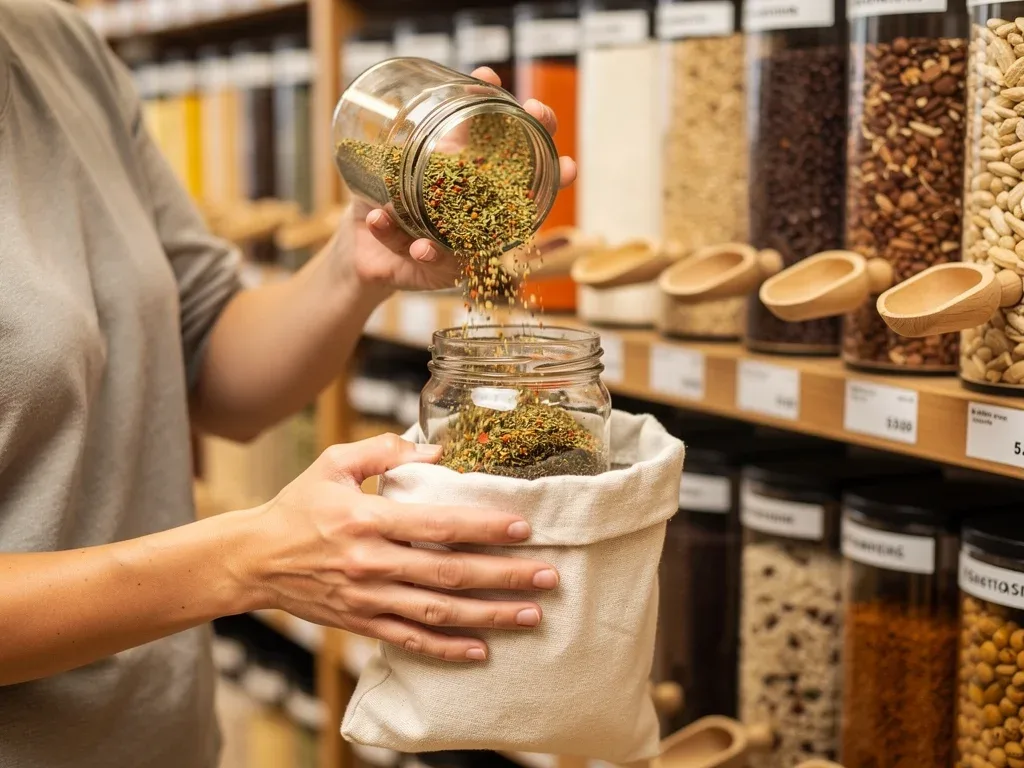
Composting is another essential component of this system for any organic material that truly cannot be repurposed. Whether you have a backyard compost pile, a worm bin, or access to a community composting program, diverting food scraps from landfills is critical. Composting enriches soil and reduces methane emissions, closing the loop on organic waste.
By actively seeking ways to upcycle and repurpose food scraps, you not only reduce waste but also discover new culinary possibilities and sustainable household solutions. This system embodies the innovative spirit of zero-waste living, turning potential waste into valuable assets.
System 5: Regular Pantry Audits and “Use It Up” Challenges
Maintaining a zero-waste pantry is an ongoing process that benefits greatly from regular audits and proactive challenges. A periodic check of your pantry ensures that items aren't forgotten, allowing you to prioritize ingredients nearing their expiry and preventing unnecessary waste. These audits are not just about tidiness; they are strategic waste prevention measures.
Schedule a quick pantry audit once a week or bi-weekly. During this time, identify any items that are approaching their best-by dates or that you've simply overlooked. This is where the "Use It Up" challenge comes into play. Dedicate a meal or two each week to cooking solely with ingredients that need to be used, fostering creativity and minimizing discards.
Benefits of Consistent Audits
- Prevents food spoilage and reduces waste.
- Encourages creative cooking with existing ingredients.
- Provides a clear overview of your inventory, aiding future meal planning.
- Identifies areas where purchasing habits might need adjustment.
The "Use It Up" challenge can be a fun and engaging way to involve the entire household. Turn it into a game, experimenting with new recipes or combinations you wouldn't typically consider. This approach not only empties your pantry of lingering items but also expands your culinary repertoire and reduces stress around meal preparation.
Regular pantry audits combined with "Use It Up" challenges create a dynamic and responsive system for waste reduction. They transform the chore of organizing into an opportunity for creativity and conscious consumption, keeping your pantry aligned with zero-waste principles.
System 6: Embracing Homemade and DIY Pantry Staples
To truly minimize packaging waste and control ingredients, a zero-waste pantry often embraces the art of homemade and DIY pantry staples. From making your own bread to crafting condiments and spice blends, this system reduces reliance on commercially packaged goods. It offers significant environmental benefits and often results in healthier, fresher alternatives.
Consider items you frequently buy in plastic or glass jars. Can you make them at home? Yogurt, nut milks, granola, and even pasta are often simpler to prepare than you might think. This practice not only eliminates packaging but also gives you complete control over the ingredients, avoiding unwanted additives and preservatives.
Popular DIY Pantry Staples
- Yogurt and Kefir: Easy to ferment at home with minimal equipment.
- Nut Milks: Almond, oat, or cashew milk can be made fresh with just nuts/oats and water.
- Condiments: Ketchup, mustard, and mayonnaise can be surprisingly simple to whip up.
- Baking Mixes: Prepare your own pancake or muffin mixes in bulk containers.
Starting small is key. Pick one or two items you regularly consume and try making them from scratch. As you gain confidence, you can expand your repertoire. This system requires a bit more time initially, but the rewards in terms of reduced waste, improved health, and greater self-sufficiency are substantial.
Embracing homemade and DIY staples is a powerful step towards a truly zero-waste pantry. It empowers you to take control of your food supply, reduce packaging, and enjoy the satisfaction of creating delicious, healthy items from scratch.
System 7: Community Involvement and Sharing Economy

A truly comprehensive zero-waste pantry system extends beyond your home to embrace community involvement and the sharing economy. This approach recognizes that waste reduction is a collective effort, and by engaging with your local community, you can further minimize your footprint and support sustainable practices. It's about leveraging collective resources.
Look for local food co-ops, farmers' markets, and bulk food stores that support zero-waste principles. Participating in these local economies often means access to unpackaged goods and a direct connection to producers. Additionally, consider joining or starting a food-sharing network in your neighborhood, where surplus food can be exchanged instead of wasted.
Ways to Engage with Your Community
- Farmers' Markets: Purchase produce directly from growers, often without packaging.
- Food Co-ops: Access bulk bins and support local, sustainable businesses.
- Community Gardens: Grow your own food or share harvests with neighbors.
- Food Sharing Apps/Groups: Distribute excess food to prevent waste.
Beyond food, consider tool libraries or sharing platforms for kitchen gadgets you rarely use. This reduces the need for individual ownership and minimizes manufacturing waste. Engaging with your community transforms zero-waste from an individual endeavor into a collective movement, amplifying its positive impact.
By integrating community involvement and the sharing economy into your zero-waste pantry efforts, you create a more resilient and sustainable food system. This holistic approach not only reduces your household's waste but also fosters a stronger, more eco-conscious community.
| Key System | Brief Description |
|---|---|
| Bulk Buying & Storage | Reduces packaging waste and extends food shelf life with reusable containers. |
| FIFO Inventory | Ensures older items are used first, preventing spoilage and waste. |
| Meal Planning | Prevents over-purchasing and impulse buys by utilizing a detailed shopping list. |
| Upcycling Scraps | Transforms food waste into valuable resources like broths or compost. |
Frequently Asked Questions About Zero-Waste Pantries
What is the primary benefit of a zero-waste pantry?▼The primary benefit of a zero-waste pantry is significantly reducing household food and packaging waste. This approach leads to substantial savings on grocery bills, minimizes environmental impact by decreasing landfill contributions, and often promotes healthier eating habits through conscious consumption and meal planning.
How can I start transitioning to a zero-waste pantry?▼Begin by decluttering your current pantry and taking stock of what you have. Invest in reusable containers for bulk items, plan your meals meticulously, and create precise shopping lists. Start with small, manageable changes, like buying one or two items in bulk, and gradually expand your efforts as you become more comfortable.
What are the best containers for a zero-waste pantry?▼Glass jars, stainless steel containers, and airtight food-grade plastic bins are excellent choices. Glass offers visibility and is non-reactive, while stainless steel is durable and opaque for light-sensitive items. Airtight seals are crucial to protect food from moisture and pests, extending shelf life and preserving freshness effectively.
Does a zero-waste pantry save money?▼Yes, absolutely. By reducing food spoilage, buying in bulk, and carefully planning meals, a zero-waste pantry significantly cuts down on grocery expenses. You avoid impulse purchases and ensure that every item you buy is utilized, maximizing your food budget and preventing valuable resources from being thrown away.
How does meal planning contribute to zero waste?▼Meal planning is vital for zero waste because it ensures you only buy what you need. By pre-determining your weekly meals, you create a precise shopping list, preventing over-purchasing and impulse buys. This systematic approach drastically reduces the likelihood of food expiring unused, thereby minimizing overall waste.
Conclusion
Embracing the seven zero-waste pantry organization systems discussed offers a transformative path towards a more sustainable and efficient household. From the strategic benefits of bulk buying and the disciplined rotation of the FIFO method to the creative upcycling of scraps and community engagement, each system plays a vital role in curbing grocery waste. By integrating these practices, households can realistically achieve a significant reduction in waste, enjoying both environmental benefits and financial savings. The journey to a zero-waste pantry is an ongoing commitment, but one that yields profound positive impacts on our planet and our daily lives.
