Smart Home Security: Protect Devices from Botnets in 2026
Advertisements
Protecting your smart home devices from botnets in 2026 demands proactive measures, including strong passwords, regular updates, network segmentation, and robust firewalls to ensure digital safety.
The landscape of home technology is rapidly evolving, bringing unparalleled convenience but also new vulnerabilities. Understanding smart home security botnets in 2026 is crucial to safeguarding your digital sanctuary. Are your connected devices truly secure?
Understanding the Botnet Threat in Smart Homes
As our homes become smarter, integrating everything from thermostats to security cameras, the attack surface for cybercriminals expands dramatically. Botnets, networks of compromised devices controlled by a single entity, pose a significant and growing threat to smart homes. In 2026, these threats are more sophisticated than ever, capable of leveraging your devices for malicious activities without your knowledge. They can be used for Distributed Denial of Service (DDoS) attacks, spam distribution, or even to mine cryptocurrencies, all while compromising your privacy and potentially your physical security.
The allure for attackers lies in the sheer volume of IoT devices and often their lax security protocols. Many smart home devices are designed for convenience rather than robust security, making them easy targets. Once compromised, a device becomes a 'bot' in the botnet, silently executing commands. This section delves into the fundamental nature of these threats and why they are particularly dangerous for the interconnected environment of a modern smart home.
The Evolution of Botnet Attacks
Botnets have moved beyond traditional computers and servers. Today, they actively target Internet of Things (IoT) devices, exploiting common weaknesses. These weaknesses include default credentials, unpatched software, and insecure communication protocols. Attackers continuously refine their methods, using AI and machine learning to identify and exploit vulnerabilities at an unprecedented pace.
- Automated Scanning: Bots constantly scan the internet for vulnerable devices.
- Exploit Kits: Sophisticated tools are used to automatically compromise devices with known flaws.
- Zero-Day Exploits: Attackers sometimes leverage previously unknown vulnerabilities.
The impact of a botnet infection can range from minor performance degradation to complete loss of privacy and control over your devices. It is not merely about your data; it’s about your home becoming an unwitting participant in a global cybercrime network. Understanding this evolution is the first step in building a resilient defense strategy.

In conclusion, the threat of botnets to smart homes is real and evolving. Recognizing the methods and motivations behind these attacks is paramount for any homeowner looking to secure their connected ecosystem. The convenience of smart home technology should not come at the expense of security, and proactive awareness is key.
Step 1: Fortify Your Network with Strong Passwords and Encryption
The foundation of any robust smart home security strategy begins at the network level. Your Wi-Fi network is the gateway to all your connected devices, and its security directly impacts the safety of your entire smart home ecosystem. Using weak or default passwords is an open invitation for attackers to gain access. In 2026, with increasing computational power available to cybercriminals, even moderately complex passwords can be cracked if not strong enough. This step emphasizes the critical importance of creating impenetrable access points and ensuring all data transmitted within your home is encrypted.
Beyond just the Wi-Fi password, every smart device with login credentials needs a unique, strong password. Many devices come with easily guessable default passwords like 'admin' or '12345'. These must be changed immediately upon setup. Failing to do so is one of the most common entry points for botnets. Remember, a chain is only as strong as its weakest link, and in a smart home, every device represents a potential link.
Creating and Managing Secure Passwords
A strong password is not just long; it's complex and unique. Avoid using personal information, common words, or easily predictable sequences. Password managers are invaluable tools for generating and storing these complex credentials securely. They eliminate the need to remember dozens of intricate passwords, reducing the temptation to reuse them.
- Length and Complexity: Aim for at least 12-16 characters, including a mix of uppercase and lowercase letters, numbers, and special symbols.
- Uniqueness: Each device and service should have its own distinct password.
- Password Managers: Utilize reputable password managers to securely store and generate complex passwords.
Encryption protocols, such as WPA3 for Wi-Fi networks, are also vital. They scramble the data transmitted between your devices and the internet, making it unreadable to unauthorized parties. Ensure your router supports the latest encryption standards and that it is configured correctly. Regularly reviewing your network settings can help identify any vulnerabilities.
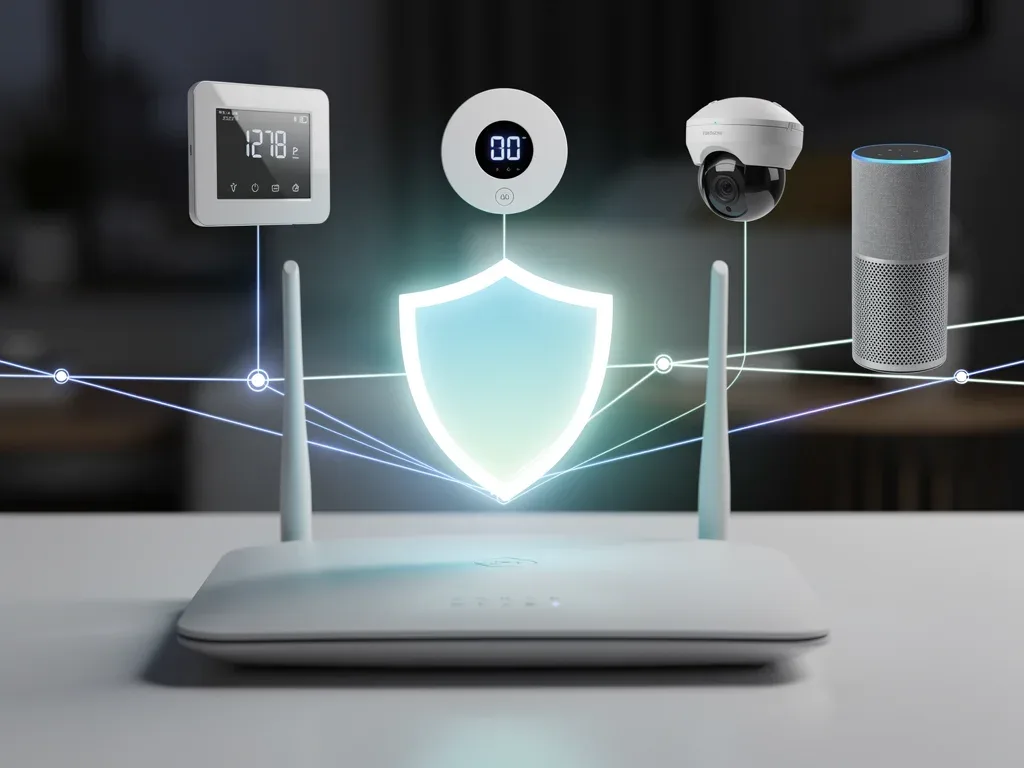
In conclusion, fortifying your network involves more than just a single password. It's a multi-layered approach that combines strong, unique passwords for all devices and services with the latest encryption protocols. This foundational security measure significantly reduces the risk of your smart home falling victim to botnet attacks.
Step 2: Keep Device Firmware and Software Up-to-Date
Software vulnerabilities are a primary target for botnet operators. Manufacturers frequently release updates to patch security flaws and improve device performance. Neglecting these updates leaves your smart home devices exposed to known exploits that attackers can easily leverage. In the rapidly evolving cyber threat landscape of 2026, staying current with firmware and software updates is not merely a recommendation; it's a critical security imperative. Think of it as vaccinating your devices against known digital diseases.
Many smart devices are set to update automatically, but it's essential to verify this setting and manually check for updates regularly. Some devices require manual intervention or a specific app to initiate updates. Ignoring these prompts can lead to severe security breaches, as botnets often target devices with unpatched vulnerabilities, which are essentially open doors for them to enter your network.
The Importance of Timely Updates
Timely updates close security gaps before they can be exploited. Manufacturers are in a constant race against attackers, patching new vulnerabilities as they are discovered. When you delay an update, you are essentially leaving a known weak point in your system for an extended period, making it a prime target for automated botnet scans looking for such vulnerabilities.
- Patching Vulnerabilities: Updates often include fixes for newly discovered security flaws.
- Performance Enhancements: Beyond security, updates can improve device functionality and stability.
- New Security Features: Manufacturers may introduce enhanced security features in newer firmware versions.
Establish a routine for checking and applying updates for all your smart home devices, including your router, smart speakers, cameras, and even smart light bulbs. If a device no longer receives updates from its manufacturer, consider replacing it, as it will become increasingly vulnerable over time. A proactive approach to updates is a cornerstone of effective smart home security.
In summary, keeping your device firmware and software up-to-date is a non-negotiable aspect of protecting your smart home from botnets. It's a continuous process that requires vigilance but offers significant returns in terms of security and peace of mind.
Step 3: Implement Network Segmentation and Guest Networks
Network segmentation is an advanced but highly effective security measure that can significantly bolster your smart home's defenses against botnets. It involves dividing your home network into separate, isolated segments, preventing compromised devices in one segment from affecting others. This strategy is particularly useful for smart home devices, which often have varying levels of security and are sometimes less trustworthy than traditional computing devices.
By creating a separate network segment, often referred to as a guest network or an IoT network, for your smart devices, you contain potential breaches. If a smart light bulb or a lesser-secured camera is compromised by a botnet, the malware will be isolated to that segment and unable to access your main network where your computers, smartphones, and sensitive data reside. This greatly limits the damage an attacker can inflict.
Setting Up a Dedicated IoT Network
Most modern routers offer the capability to create guest networks, which can be repurposed as dedicated IoT networks. These networks typically isolate connected devices from the main network, providing a crucial layer of defense. While it might take a little extra effort to set up initially, the security benefits far outweigh the inconvenience.
- Isolation: Prevents compromised IoT devices from accessing your main network.
- Reduced Attack Surface: Limits the pathways for botnets to spread.
- Enhanced Privacy: Keeps your sensitive data separate from less secure smart devices.
When implementing network segmentation, ensure that the IoT network has its own strong password and that devices on this network cannot easily communicate with devices on your primary network. Regularly review your router's settings to ensure these segments remain properly configured and secure. This proactive approach ensures that even if one smart device is breached, the rest of your digital life remains protected.
To conclude, network segmentation and the use of dedicated guest or IoT networks are powerful tools in preventing botnet attacks from spreading throughout your smart home. This architectural approach minimizes risk by creating barriers between different types of devices and data.
Step 4: Use a Robust Firewall and Intrusion Detection Systems
A firewall acts as the first line of defense, monitoring and controlling incoming and outgoing network traffic based on predetermined security rules. For smart homes, having a robust firewall, either built into your router or as a standalone device, is essential to block unauthorized access attempts by botnets. In 2026, advanced firewalls are capable of much more than simple port blocking; they can perform deep packet inspection and integrate with threat intelligence feeds to identify and neutralize sophisticated attacks.
Intrusion Detection Systems (IDS) go a step further by actively monitoring network traffic for suspicious activity and alerting you to potential threats. While a firewall prevents unauthorized access, an IDS detects attempts to bypass those defenses or malicious activities originating from within your network, such as a compromised smart device trying to communicate with a botnet command and control server. These systems provide real-time visibility into your network's security posture.
Configuring Firewalls and IDS for Smart Homes
Proper configuration of your firewall is critical. This involves ensuring that only necessary ports are open and that all other traffic is blocked by default. Many routers come with basic firewall capabilities, but for enhanced protection, consider upgrading to a more advanced router or investing in a dedicated network security appliance that offers more granular control and IDS features.
- Rule-Based Blocking: Configure your firewall to block all unnecessary incoming and outgoing connections.
- Threat Intelligence: Utilize firewalls that update their threat definitions automatically to counter new botnet signatures.
- Alerting: Set up IDS alerts to notify you immediately of any suspicious activity on your network.
Regularly reviewing firewall logs and IDS alerts can help you understand potential threats and take corrective action. While these systems require some technical understanding to set up and maintain, the protection they offer against sophisticated botnet attacks is invaluable. They create a proactive defense mechanism that works tirelessly to keep your smart home secure.
In essence, a robust firewall combined with an effective intrusion detection system forms a formidable barrier against botnet infiltration. These tools are crucial for monitoring and controlling network traffic, ensuring that only legitimate communications occur within your smart home environment.
Step 5: Regularly Monitor Device Behavior and Network Traffic
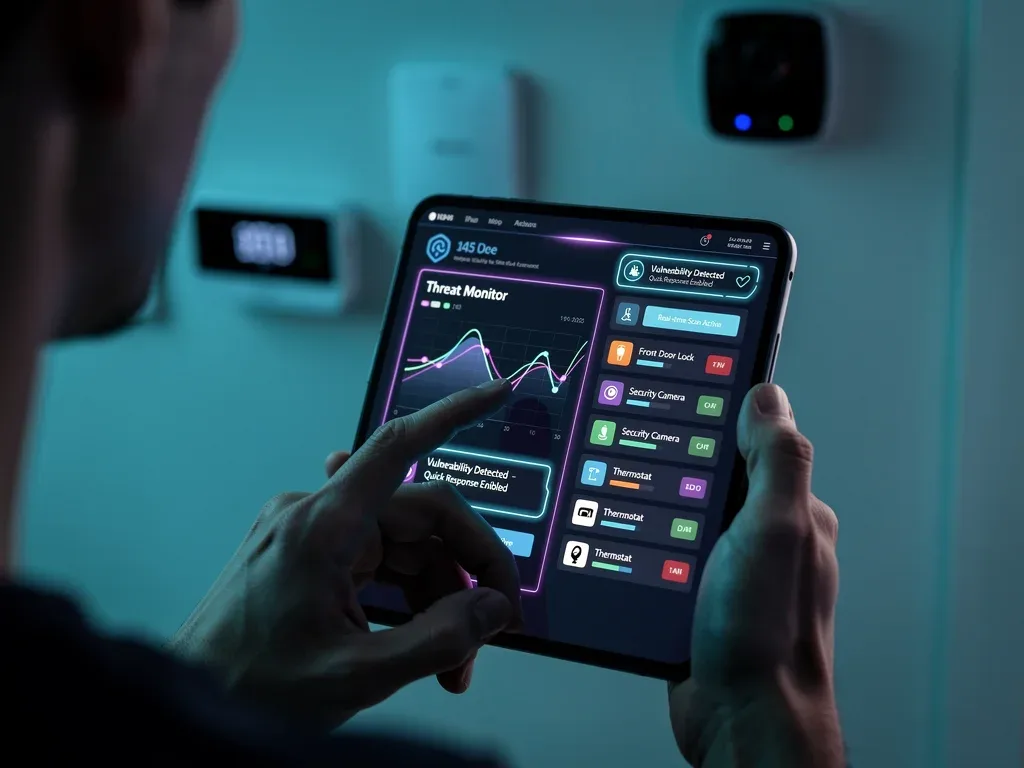
Even with strong passwords, updated software, and network segmentation, vigilance remains a key component of smart home security. Regularly monitoring the behavior of your smart devices and the traffic on your network can help you identify early signs of a botnet infection. Anomalous behavior, such as a device consuming excessive data, attempting to connect to unusual IP addresses, or performing actions without your command, can indicate compromise.
Many smart home hubs and advanced routers offer some form of network monitoring, allowing you to see which devices are connected and how much data they are using. Specialized network analysis tools can provide even deeper insights, revealing unusual patterns that might escape casual observation. In 2026, with botnets becoming more stealthy, proactive monitoring is more important than ever to catch subtle indicators of compromise.
Tools and Techniques for Effective Monitoring
Several tools and techniques can assist in monitoring your smart home network. From simple router interfaces to more sophisticated network analyzers, choosing the right approach depends on your technical comfort level and the complexity of your smart home setup. The goal is to establish a routine for checking your network's health.
- Router Logs: Regularly review your router's logs for unusual connection attempts or errors.
- Network Scanners: Use tools to periodically scan your network for unauthorized devices or open ports.
- Traffic Analysis: Employ network traffic analysis tools to detect suspicious data flows or communication with known malicious servers.
Pay close attention to any alerts from your firewall or IDS. These systems are designed to flag suspicious activities, and ignoring their warnings can have serious consequences. Developing a habit of routinely checking your network's status and device behavior can provide the early detection needed to prevent a full-blown botnet takeover. Your intuition about what 'feels' normal on your network can be a surprisingly effective defense.
In conclusion, ongoing monitoring of device behavior and network traffic is indispensable for detecting and responding to potential botnet threats. By staying alert to anomalies, you can quickly identify and mitigate compromises, maintaining the integrity of your smart home.
Step 6: Adopt a Zero-Trust Security Model for IoT Devices
In 2026, the concept of a zero-trust security model is gaining significant traction beyond enterprise networks and is increasingly relevant for smart homes. A zero-trust model operates on the principle of "never trust, always verify." This means that no device or user, whether inside or outside the network, is automatically trusted. Every access request is authenticated, authorized, and continuously validated before granting access to resources.
For smart home devices, this translates to treating every connected gadget as a potential threat until its identity and request are verified. This approach minimizes the risk of botnets leveraging a single compromised device to gain unfettered access to your entire network. Instead of relying on perimeter defenses alone, zero-trust emphasizes micro-segmentation and least-privilege access, ensuring devices only have access to what they absolutely need to function.
Implementing Zero-Trust Principles in Your Smart Home
While a full enterprise-grade zero-trust implementation might be overkill for most homes, the core principles can be applied effectively. This involves stringent authentication for all devices, strict access controls, and continuous monitoring. Modern smart home hubs and advanced networking equipment are beginning to incorporate features that facilitate this model, making it more accessible to homeowners.
- Multi-Factor Authentication (MFA): Enable MFA wherever possible for device logins and critical services.
- Least Privilege Access: Configure devices to have only the necessary permissions and network access.
- Continuous Verification: Regularly re-authenticate devices and monitor their behavior for compliance with security policies.
Adopting a zero-trust mindset means questioning every connection and access request. It shifts the security paradigm from simply keeping attackers out to assuming they might already be in and designing defenses accordingly. This proactive and skeptical approach provides a robust framework for protecting your smart home devices from the evolving threats posed by botnets in 2026 and beyond.
Ultimately, a zero-trust security model provides a powerful, forward-thinking strategy for protecting your smart home. By verifying every interaction and limiting access, you build a resilient defense against even the most sophisticated botnet attacks.
| Key Security Step | Brief Description |
|---|---|
| Strong Passwords & Encryption | Use unique, complex passwords for all devices and WPA3 for Wi-Fi to secure access. |
| Regular Software Updates | Keep all device firmware and software updated to patch vulnerabilities and improve security. |
| Network Segmentation | Isolate smart devices on a separate network to contain potential botnet breaches. |
| Zero-Trust Model | Implement a "never trust, always verify" approach for all device and user access. |
Frequently Asked Questions About Smart Home Security
What is a botnet and why is it a threat to my smart home?▼A botnet is a network of internet-connected devices, including smart home gadgets, compromised by malware and controlled by a cybercriminal. They pose a threat by using your devices for malicious activities like DDoS attacks or spam, compromising your privacy and data without your knowledge.
How often should I update my smart home devices' firmware?▼You should update your smart home devices' firmware as soon as updates are released by the manufacturer. These updates often contain critical security patches that protect against newly discovered vulnerabilities. Regular checks or enabling automatic updates are highly recommended for optimal security.
Is a guest Wi-Fi network enough for smart home device isolation?▼While a guest Wi-Fi network offers some isolation, a dedicated IoT network, often created using advanced router features, provides stronger segmentation. This ensures that even if a smart device is compromised, it cannot easily access or affect your main network where sensitive data resides, enhancing overall security.
What are the signs that my smart home device might be part of a botnet?▼Signs of a compromised smart home device can include unusual network activity, excessive data consumption, unexpected reboots, or the device attempting to connect to unknown external servers. Slow performance or unresponsive behavior can also be indicators. Regular monitoring helps detect these anomalies early.
How does a zero-trust model apply to smart home security?▼A zero-trust model in a smart home means no device or user is inherently trusted, regardless of their location. Every access request is verified. This involves strict authentication, least-privilege access, and continuous monitoring, effectively minimizing the impact if any single device is compromised by a botnet.
Conclusion
As smart homes continue to integrate deeper into our daily lives, the imperative to secure them against evolving threats like botnets becomes paramount. The six steps outlined, from fortifying your network with strong passwords and encryption to adopting a zero-trust security model, provide a comprehensive framework for protecting your connected devices in 2026. Proactive vigilance, continuous updates, and strategic network architecture are not just best practices; they are essential defenses in the ongoing battle against cyber adversaries. By implementing these measures, homeowners can enjoy the convenience of smart technology with enhanced peace of mind, knowing their digital sanctuary is well-protected.
