Morning Sunlight Habit: Cut Afternoon Energy Crashes by 40%?
Advertisements
A 20-minute morning sunlight habit can indeed be a powerful tool to regulate your circadian rhythm, potentially cutting afternoon energy crashes by up to 40% by optimizing melatonin and cortisol production for sustained daytime energy.
Have you ever wondered if a simple routine change could dramatically impact your daily energy levels? The idea that a 20-minute morning sunlight habit could cut afternoon energy crashes by a significant margin, perhaps even 40%, might sound too good to be true, but emerging science suggests there's substantial truth to it. Let's delve into how this natural practice can revolutionize your day.
The science behind morning light and your body clock
Our bodies operate on a sophisticated internal timetable known as the circadian rhythm, a roughly 24-hour cycle that dictates when we feel awake and when we feel sleepy. This rhythm is profoundly influenced by light, particularly natural sunlight. When morning light hits our eyes, it sends critical signals to a small region in our brain called the suprachiasmatic nucleus (SCN), often referred to as the body's master clock.
This initial light exposure is crucial because it helps to set and synchronize our internal clock with the external world. Without this consistent cue, our body's natural rhythm can drift, leading to disruptions in sleep patterns, mood, and, most notably, energy levels throughout the day. Understanding this fundamental biological process is the first step in appreciating the power of morning sunlight.
The role of melatonin and cortisol
Two key hormones, melatonin and cortisol, are directly influenced by morning light exposure and play pivotal roles in our energy regulation. Melatonin, often called the 'sleep hormone,' is produced in darkness and helps us fall asleep. Cortisol, on the other hand, is known as the 'stress hormone,' but it also plays a vital role in waking us up and maintaining alertness.
- Melatonin suppression: Morning light effectively suppresses melatonin production, signaling to your body that it's time to be awake and alert.
- Cortisol regulation: Proper morning light exposure helps to establish a healthy cortisol curve, where levels are highest in the morning, providing a natural energy boost, and gradually decline throughout the day.
- Improved sleep quality: By regulating these hormones, morning light can lead to more consolidated nighttime sleep, reducing daytime fatigue.
When these hormonal rhythms are out of sync, such as when we don't get enough morning light, melatonin might linger too long in the system, making us groggy, and cortisol levels might be erratic, contributing to those dreaded afternoon energy crashes. Establishing a consistent morning sunlight habit helps to recalibrate this delicate balance, optimizing your body's natural energy production.
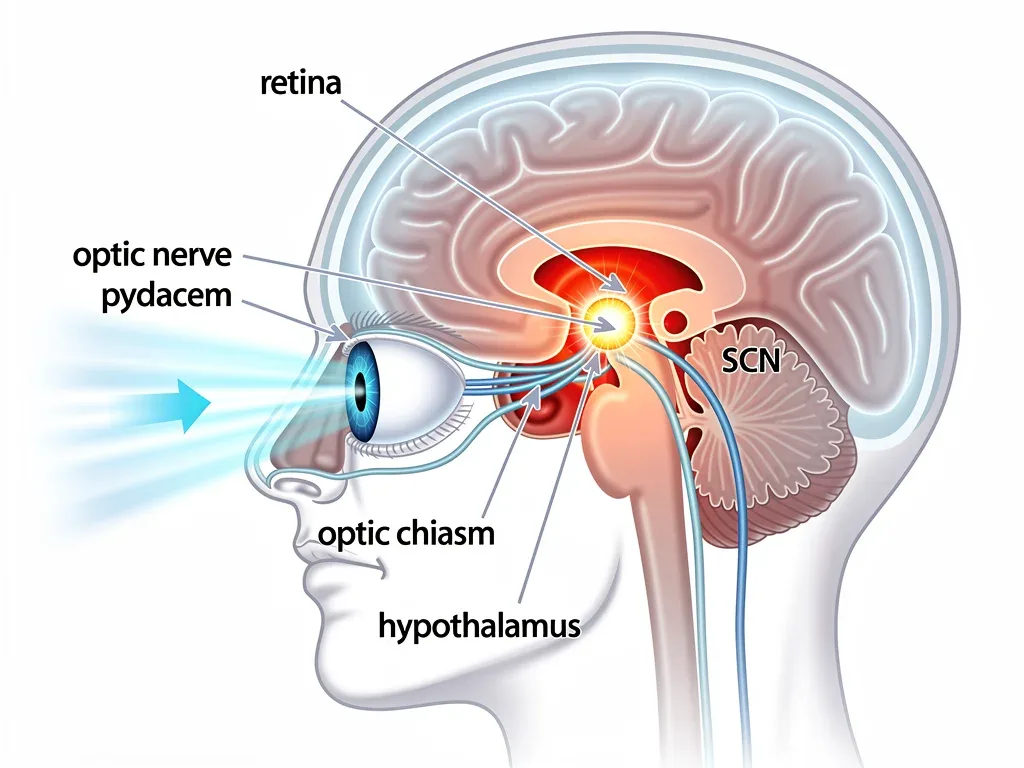
In essence, the science confirms that morning light is not just a pleasant experience; it's a non-negotiable biological requirement for optimal physiological functioning. By actively seeking out those first rays, we are giving our bodies the precise instructions they need to maintain a robust and energetic rhythm throughout the entire day, setting the stage for sustained vitality and reduced afternoon slumps.
How morning sunlight impacts afternoon energy levels
The connection between morning sunlight and afternoon energy levels is more direct than many realize. When your circadian rhythm is properly set by morning light, your body's hormonal cascade follows a predictable and optimal pattern. This means that cortisol, which peaks shortly after waking, provides a natural, sustained energy release throughout the morning and early afternoon.
Conversely, a lack of morning light can delay this cortisol peak or flatten its curve, leading to a feeling of sluggishness that can progressively worsen as the day wears on. This often manifests as the notorious mid-afternoon slump, where productivity plummets, and the urge for caffeine or sugary snacks becomes overwhelming. By proactively engaging with morning light, you're essentially programming your body for better energy management.

Preventing the mid-afternoon slump
The afternoon energy crash is often characterized by a dip in alertness, focus, and overall physical energy. This phenomenon is partly due to the natural post-lunch dip in blood sugar, but it's significantly exacerbated by a misaligned circadian rhythm. When your body doesn't receive strong light cues in the morning, its internal clock struggles to differentiate between day and night, leading to a weaker signal for daytime alertness.
- Enhanced alertness: Morning light triggers neurochemicals that promote wakefulness, helping to maintain cognitive function throughout the day.
- Stable blood sugar: A well-regulated circadian rhythm can indirectly support better metabolic function, potentially reducing sugar cravings that contribute to energy crashes.
- Improved mood: Exposure to natural light has been linked to better mood regulation, which can in itself contribute to a feeling of sustained energy rather than emotional drain.
Therefore, by consistently exposing yourself to morning sunlight, you are strengthening your body's natural ability to remain alert and focused during the prime working hours of the afternoon. This proactive approach helps to mitigate the physiological factors that contribute to afternoon fatigue, allowing for more consistent energy output and improved overall well-being.
Practical tips for incorporating 20 minutes of morning sunlight
Integrating a 20-minute morning sunlight habit into your daily routine doesn't have to be complicated. The key is consistency and ensuring that the light reaches your eyes, ideally without sunglasses or through a window that filters too much UV light. The earlier in the morning, the better, as the light spectrum changes throughout the day.
Start small and gradually build up to the full 20 minutes. Even 5-10 minutes can make a noticeable difference. The goal is to make this a sustainable practice that feels natural and enjoyable, rather than a chore. Remember, direct sunlight is most effective, but even bright overcast days offer beneficial light exposure.
Easy ways to get your morning dose
There are numerous simple and effective ways to get your morning light exposure, tailored to various lifestyles and environments. Choose methods that fit seamlessly into your existing routine to maximize adherence.
- Outdoor walk: Take a brisk 20-minute walk outside shortly after waking. This also offers the added benefit of gentle exercise.
- Breakfast outside: If weather permits, enjoy your morning coffee or breakfast on a patio or balcony.
- Window exposure: If going outside isn't feasible, sit by a bright window. While less effective than direct outdoor light, it's still better than no light exposure.
- Commute adjustment: If you commute by public transport, try to sit by a window. If driving, consider taking a route that exposes you to more natural light.
Consistency is paramount. Even on cloudy days, the ambient light levels outdoors are significantly higher than indoors, providing enough stimulus to regulate your circadian rhythm. Making this a non-negotiable part of your morning can yield profound benefits for your energy levels and overall health.

By consciously seeking out morning light, you are actively participating in a natural process that has been honed over millennia. This simple habit is a powerful, free, and accessible tool for enhancing your daily vitality and reducing energy dips, paving the way for a more productive and energetic day.
Beyond energy: additional benefits of morning light exposure
While the primary focus is on cutting afternoon energy crashes, the benefits of a consistent morning sunlight habit extend far beyond mere energy regulation. Exposure to natural light plays a crucial role in various aspects of our physical and mental well-being, contributing to a holistic improvement in quality of life.
From enhancing mood to boosting vitamin D levels, the sun's rays offer a multitude of advantages that synergistically support a healthier and more balanced existence. These additional benefits reinforce the importance of making morning light an integral part of your daily routine, transforming it from a simple habit into a foundational wellness practice.
Holistic wellness improvements
The impact of morning light on overall health is extensive, influencing several key physiological and psychological processes. Recognizing these broader benefits can further motivate the adoption of this simple yet powerful habit.
- Mood enhancement: Sunlight stimulates the production of serotonin, a neurotransmitter associated with feelings of well-being and happiness, helping to combat symptoms of depression and seasonal affective disorder (SAD).
- Improved cognitive function: Regular light exposure can enhance alertness, concentration, and overall cognitive performance, making you more effective at tasks throughout the day.
- Vitamin D synthesis: While often associated with midday sun, even morning sunlight can contribute to your body's vitamin D production, essential for bone health, immune function, and various other bodily processes.
- Better sleep quality: By strengthening your circadian rhythm, morning light ensures that your body produces melatonin at the right time, leading to deeper, more restorative sleep at night.
These interconnected benefits underscore that morning light isn't just a quick fix for energy dips; it's a cornerstone of optimal health. By consistently engaging with natural light, you're investing in a cascade of positive effects that support your physical vitality, mental clarity, and emotional resilience, creating a robust foundation for daily living.
Common misconceptions and what to avoid
Despite the growing awareness of morning light's benefits, several misconceptions can hinder effective practice. Understanding these common pitfalls and learning what to avoid is crucial to maximizing the positive impact on your energy levels and overall health. Not all light exposure is created equal, and some practices can inadvertently undermine your efforts.
For instance, many believe that any light will do, or that sunglasses are harmless during morning exposure. Clarifying these points ensures that your morning sunlight habit is truly beneficial and not just a well-intentioned but ineffective routine. It's about smart exposure, not just any exposure.
Maximizing your morning light exposure
To truly harness the power of morning light, it's important to be mindful of certain factors that can either enhance or diminish its effectiveness. Avoiding common mistakes can make a significant difference in how well your circadian rhythm is regulated.
- Avoid sunglasses: Sunglasses block the specific wavelengths of light that signal to your brain to wake up. For optimal effect, try to experience morning light without them.
- Minimize artificial light: While indoors, bright overhead lights or screens can confuse your body's signals. Try to get your natural light exposure before engaging with too much artificial light.
- Don't rely solely on indoor light: Though sitting by a window is better than nothing, glass filters out many beneficial light rays. Outdoor exposure is always superior for setting your circadian rhythm.
- Be consistent: Sporadic exposure yields sporadic results. Make morning light a daily ritual, even on cloudy days, to maintain a strong circadian signal.
By being aware of these common misconceptions and actively avoiding practices that diminish light exposure, you can ensure that your 20-minute morning sunlight habit is as effective as possible. This informed approach will lead to more consistent energy throughout the day and a more robustly regulated circadian rhythm, ultimately contributing to a significant reduction in afternoon energy crashes.
Integrating morning light into a holistic wellness routine
While a 20-minute morning sunlight habit is a powerful standalone practice, its effectiveness is amplified when integrated into a broader holistic wellness routine. Think of it as a cornerstone that supports and enhances other healthy habits, creating a synergistic effect that leads to more profound and lasting benefits for your energy and overall well-being.
A balanced approach that considers nutrition, exercise, stress management, and sleep hygiene alongside light exposure will yield the most comprehensive results. This integrated strategy ensures that all aspects of your lifestyle are working in harmony to support your body's natural rhythms and maximize your vitality.
Synergistic wellness practices
Combining morning light with other healthy habits can create a powerful feedback loop, where each practice reinforces the others, leading to sustained energy and improved health outcomes. Consider these complementary strategies:
- Balanced nutrition: Fueling your body with whole, unprocessed foods supports stable blood sugar levels, preventing energy spikes and crashes that even a well-regulated circadian rhythm might struggle to overcome.
- Regular exercise: Physical activity, especially in the morning or early afternoon, can further boost energy, improve mood, and enhance sleep quality, complementing the effects of morning light.
- Mindful stress management: Chronic stress can disrupt hormonal balance and circadian rhythms. Practices like meditation, deep breathing, or spending time in nature can mitigate these effects.
- Consistent sleep schedule: Going to bed and waking up at roughly the same time each day, even on weekends, reinforces your circadian rhythm and maximizes the benefits of morning light exposure.
By weaving morning sunlight into this tapestry of wellness practices, you're not just addressing one symptom; you're cultivating a lifestyle that naturally promotes sustained energy, mental clarity, and emotional balance. This holistic integration transforms a simple habit into a foundational pillar of vibrant health, making those afternoon energy crashes a distant memory.
The long-term impact: sustained energy and vitality
The commitment to a 20-minute morning sunlight habit isn't just about immediate relief from afternoon energy crashes; it's an investment in long-term sustained energy and overall vitality. Over time, consistent morning light exposure profoundly reshapes your body's internal rhythms, leading to a more resilient and energetic state.
This consistent re-calibration of your circadian rhythm helps to solidify healthy sleep-wake cycles, optimize hormonal production, and enhance your body's natural resilience to daily stressors. The cumulative effect is a noticeable and lasting improvement in how you feel and perform throughout your day, year after year.
Building a resilient energy system
Adopting a morning sunlight habit consistently contributes to a robust and stable physiological foundation. This long-term commitment translates into several enduring benefits that transcend mere daily energy fluctuations.
- Enhanced sleep architecture: Over months and years, a well-entrained circadian rhythm leads to deeper stages of sleep, improving restorative processes and cognitive function.
- Improved metabolic health: A stable circadian rhythm is linked to better glucose regulation and metabolic efficiency, reducing the risk of chronic conditions that can drain energy.
- Greater stress resilience: Optimized cortisol patterns mean your body is better equipped to handle stress, preventing the energy drain associated with chronic fight-or-flight responses.
- Sustained mental clarity: Long-term consistency in light exposure supports neuroplasticity and cognitive health, maintaining sharp focus and mental endurance as you age.
Ultimately, the long-term impact of a dedicated morning sunlight habit is the cultivation of an intrinsically energetic and vital system. It's about moving beyond simply avoiding energy crashes to actively building a body and mind that are consistently vibrant and capable, empowering you to live a fuller, more productive life with sustained energy and enthusiasm.
| Key Point | Brief Description |
|---|---|
| Circadian Rhythm Regulation | Morning light signals the brain to synchronize the body's internal clock, crucial for sleep-wake cycles. |
| Hormonal Balance | Optimizes melatonin suppression and cortisol production for natural morning energy and sustained alertness. |
| Preventing Energy Crashes | Consistent morning light helps prevent the mid-afternoon slump by maintaining stable energy levels. |
| Holistic Benefits | Beyond energy, it enhances mood, cognitive function, vitamin D synthesis, and overall sleep quality. |
Frequently asked questions about morning sunlight
How does morning sunlight reduce afternoon energy crashes?▼Morning sunlight exposure helps to set your body's circadian rhythm, optimizing the production of cortisol and melatonin. This ensures that cortisol levels peak in the morning for sustained energy and gradually decline, preventing the sharp dips that cause afternoon fatigue.
Do I need direct sunlight, or does light through a window count?▼While some light through a window is better than none, direct outdoor sunlight is significantly more effective. Glass filters out many crucial wavelengths needed to properly signal your brain's master clock. Aim for outdoor exposure without sunglasses for best results.
What is the ideal time for morning sunlight exposure?▼The most beneficial time is within the first hour of waking, ideally between 6 AM and 9 AM. The light spectrum during these hours is particularly effective for setting your circadian rhythm and initiating the proper hormonal cascade for daytime energy.
How long should I expose myself to morning sunlight?▼For most people, 10 to 20 minutes of morning sunlight exposure is sufficient to trigger the necessary biological responses. On very cloudy days, you might extend this to 30 minutes to compensate for lower light intensity.
Are there any downsides to morning sunlight exposure?▼Generally, morning sunlight exposure is safe and highly beneficial. However, individuals with extreme photosensitivity should consult a doctor. Always avoid prolonged exposure without protection, especially during peak UV hours later in the day, to prevent sunburn.
Conclusion
The evidence strongly suggests that embracing a 20-minute morning sunlight habit is a powerful, accessible, and natural strategy to significantly reduce afternoon energy crashes. By consistently exposing ourselves to natural light early in the day, we effectively synchronize our body's intricate circadian rhythm, optimizing the production of vital hormones like cortisol and melatonin. This proactive approach not only fosters sustained energy and alertness throughout the day but also contributes to a cascade of broader health benefits, including improved mood, enhanced cognitive function, and better sleep quality. In a world increasingly dominated by artificial environments, reconnecting with the sun's natural rhythm stands out as a simple yet profoundly impactful step towards a more energetic, balanced, and vibrant life.
