Chronoworking: Aligning Schedules to Natural Sleep Chronotypes
Advertisements
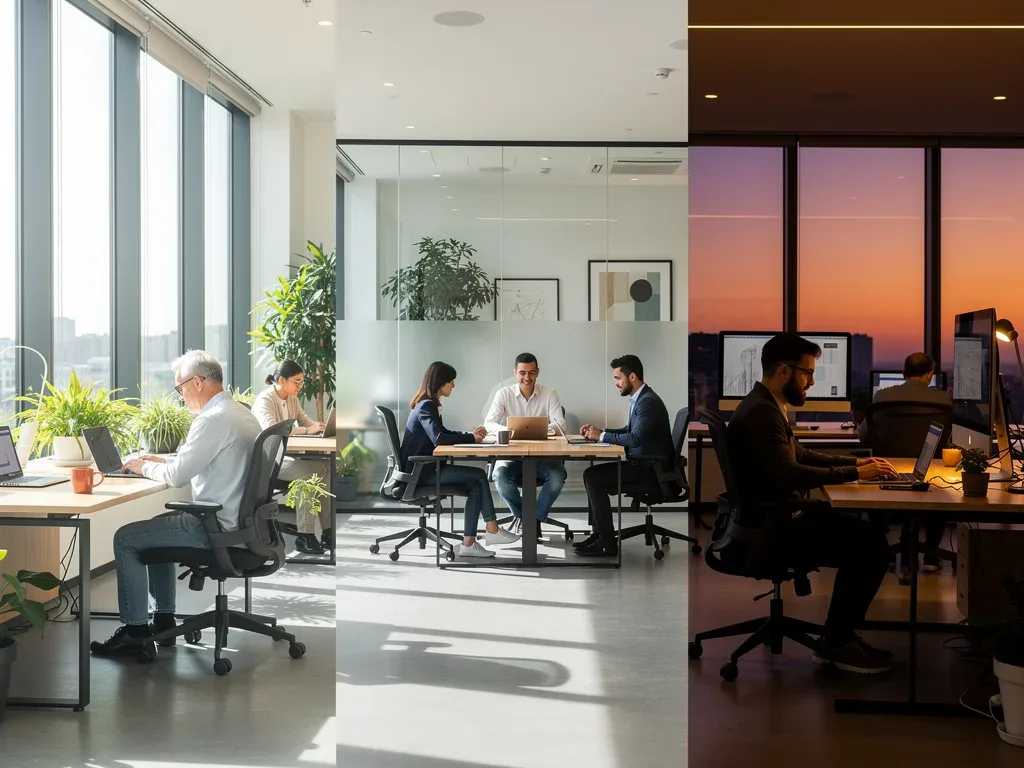
Chronoworking is an innovative strategy that harmonizes work schedules with individual sleep chronotypes (Lion, Bear, Wolf) to significantly boost vitality, focus, and overall productivity, offering a path to better work-life integration and reduced burnout.
Have you ever felt like your most productive hours clash with your company's standard 9-to-5, leaving you drained and disengaged? The concept of chronoworking sleep chronotypes is rapidly gaining traction as a potential game-changer in how we approach our professional lives. This innovative methodology suggests that by aligning our work schedules with our innate biological rhythms, or chronotypes, we can unlock unprecedented levels of vitality, focus, and overall well-being. But is this just another fleeting trend, or could it genuinely be the future of work?
Understanding your natural sleep chronotypes
Before diving into chronoworking, it's crucial to understand what sleep chronotypes are and how they influence our daily lives. Our chronotype is essentially our body's natural inclination to sleep and wake at certain times, driven by our circadian rhythm. While societal norms often push us towards a uniform schedule, our internal clocks can vary significantly, impacting our energy levels, mood, and cognitive function throughout the day.
There are generally four main chronotypes, though for simplicity and practical application in chronoworking, we often focus on three distinct types: Lions, Bears, and Wolves. Each chronotype has a unique rhythm that dictates when they feel most alert, creative, and productive. Recognizing your chronotype is the first step towards optimizing your personal and professional life.
The Lion chronotype: early risers and morning peak performers
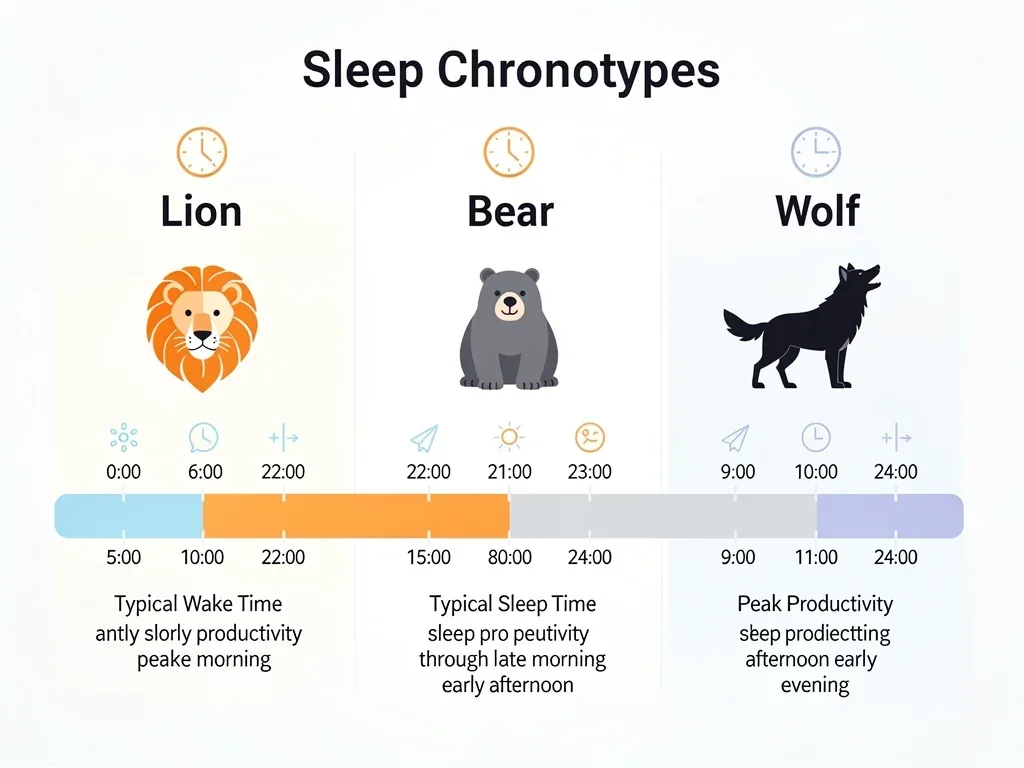
Lions are the early birds of the world, characterized by their tendency to wake up early, often before sunrise, feeling refreshed and energized. Their peak productivity typically occurs in the morning hours, making them ideal for tasks requiring high focus and strategic thinking. As the day progresses, their energy levels gradually wane, and they prefer to wind down in the early evening.
- Wake-up time: Usually before 6 AM, feeling naturally awake.
- Peak productivity: Morning (6 AM - 12 PM), ideal for complex tasks.
- Energy decline: Afternoon, preferring lighter tasks or breaks.
- Bedtime: Early evening (9 PM - 10 PM), ready for sleep.
For Lions, a traditional 9-to-5 schedule can be challenging in the latter half, as their natural energy dips. Aligning their work to leverage their morning alertness is key to maximizing their output and minimizing burnout.
The Bear chronotype: the majority and their flexible rhythm
The Bear chronotype represents the largest portion of the population, often aligning with the solar cycle. Bears generally wake up easily with the sun and experience a steady energy curve throughout the day, with a slight dip in the mid-afternoon. They are adaptable and can often thrive in conventional work environments, but still benefit greatly from understanding their natural ebbs and flows.
Bears are well-suited for a wide range of tasks and are often good team players due to their relatively stable energy throughout the day. However, neglecting their natural mid-afternoon slump can lead to reduced efficiency and increased stress.
Optimizing the Bear's workday
For Bears, the challenge isn't necessarily a mismatch with the 9-to-5, but rather optimizing within it. Their rhythm suggests that demanding cognitive tasks are best tackled in the late morning and early afternoon, followed by a break or less intensive work during their natural dip. Engaging in collaborative tasks or meetings during their high energy phases can also be highly effective.
- Wake-up time: Generally with the sun (7 AM - 8 AM).
- Peak productivity: Late morning to early afternoon (10 AM - 2 PM).
- Energy dip: Mid-afternoon (2 PM - 4 PM), often needing a break.
- Bedtime: Around 11 PM, after a gradual wind-down.
Understanding this pattern allows Bears to schedule their most important work when they are naturally most alert, leading to higher quality output and a greater sense of accomplishment.
The Wolf chronotype: night owls and late-day brilliance
Wolves are the quintessential night owls, feeling most awake and creative when the rest of the world is winding down. They typically struggle with early mornings, often feeling groggy and unproductive if forced to adhere to a conventional early start. Their peak performance hours often extend into the late evening and even night, making them ideal for tasks requiring intense focus when distractions are minimal.
Historically, Wolves have been penalized by traditional work structures, often labeled as lazy or unmotivated due to their difficulty with early starts. However, their unique biological clock offers a distinct advantage for certain types of work and industries that can accommodate later schedules.
Unleashing the Wolf's potential
For Wolves, chronoworking is transformative. It allows them to schedule their most demanding work during their natural peak, which can be late afternoon, evening, or even night. This alignment can drastically improve their productivity, creativity, and overall job satisfaction, turning their perceived weakness into a powerful strength.
- Wake-up time: Often late (9 AM - 10 AM or later), struggling with early alarms.
- Peak productivity: Late afternoon, evening, and night (6 PM - 12 AM).
- Energy rise: Gradual throughout the day, peaking later.
- Bedtime: Often past midnight (12 AM - 2 AM).
Embracing their nocturnal nature allows Wolves to thrive, producing high-quality work during hours when Lions and Bears are already winding down or asleep.
The science behind chronoworking and vitality
The concept of chronoworking isn't just anecdotal; it's deeply rooted in the science of circadian rhythms and chronobiology. Our bodies operate on an approximately 24-hour cycle, influenced by light and darkness, which regulates everything from hormone release to body temperature and cognitive function. When our work schedules are out of sync with this natural rhythm, it can lead to a phenomenon known as social jet lag.
Social jet lag occurs when there's a significant difference between our biological clock and our social clock (e.g., work schedule). This chronic misalignment has been linked to a host of negative health outcomes, including increased risk of obesity, diabetes, cardiovascular disease, and mental health issues like depression and anxiety. Chronoworking aims to eliminate this discrepancy, fostering better health and enhanced vitality.
Benefits of aligning work with your chronotype
Aligning your work schedule with your chronotype offers a multitude of benefits that extend beyond mere productivity. It's about working smarter, not harder, and respecting your body's natural inclinations. When you work during your peak energy hours, you experience:
- Increased focus and concentration: Tasks are completed more efficiently and with fewer errors.
- Enhanced creativity: Your brain is naturally more primed for innovative thinking during these periods.
- Reduced stress and burnout: Fighting your natural rhythm is exhausting; working with it is invigorating.
- Improved mood and well-being: Feeling in sync with your body leads to greater overall happiness.
- Better sleep quality: A consistent, aligned schedule reinforces healthy sleep patterns.
These benefits collectively contribute to a significant boost in vitality, allowing individuals to not only excel in their professional lives but also enjoy a richer personal life.
Implementing chronoworking in your professional life
While the idea of chronoworking sounds appealing, its practical implementation can vary depending on your profession, company culture, and flexibility. The first step is always self-assessment: understanding your own chronotype. There are various online questionnaires and tools that can help you identify whether you're more of a Lion, Bear, or Wolf.
Once you've identified your chronotype, the next step is to explore how much flexibility your current role and workplace offer. Remote work and flexible hours have made chronoworking more accessible than ever before, but it still requires thoughtful planning and communication.
Strategies for different work environments
Implementing chronoworking doesn't always mean a complete overhaul of your schedule. Sometimes, small adjustments can make a big difference. Here are some strategies:
- For Lions: Schedule critical meetings and complex tasks for the early morning. Use the afternoon for administrative work, emails, or planning. Advocate for earlier start times if possible.
- For Bears: Tackle demanding projects in late morning to early afternoon. Schedule your mid-afternoon break strategically. Consider collaborative work during your peak hours.
- For Wolves: If your job allows, shift your core working hours to the late afternoon or evening. Communicate your peak hours to colleagues for asynchronous collaboration. Focus on creative or analytical tasks when others are winding down.
Even if a full chronoworking schedule isn't feasible, integrating elements of it, such as scheduling focused work during your peak and less demanding tasks during off-peak times, can significantly improve your daily experience.

Challenges and the future of work with chronoworking
While chronoworking offers immense potential, it's not without its challenges. The biggest hurdle remains the deeply ingrained traditional work structures that prioritize a uniform 9-to-5 schedule. Many organizations are still catching up to the benefits of flexibility and employee well-being, making it difficult for individuals to fully embrace chronotype-aligned schedules.
Another challenge lies in team collaboration. If team members operate on vastly different chronotypes, coordinating meetings and real-time collaboration can become complex. This requires innovative solutions, such as asynchronous communication tools, designated overlap hours, or a shift in company culture towards output-based evaluations rather than hours-based presence.
The evolving landscape of work
Despite these challenges, the trend towards more flexible and employee-centric work models suggests that chronoworking is poised to become a significant part of the future of work. As companies increasingly recognize the link between employee well-being and productivity, adapting to individual chronotypes will move from a niche concept to a mainstream strategy.
The rise of remote and hybrid work models has already paved the way for greater flexibility, making it easier for individuals to experiment with chronoworking principles. As technology continues to evolve, offering more sophisticated tools for asynchronous collaboration and personalized scheduling, the barriers to implementing chronoworking will likely diminish further. This evolution promises a future where work is not just a duty, but an activity deeply integrated with our natural rhythms, leading to a more engaged, healthy, and productive workforce.
| Key Aspect | Description |
|---|---|
| What is Chronoworking? | Aligning work schedules with individual biological sleep chronotypes for optimal productivity and well-being. |
| Main Chronotypes | Lion (early risers), Bear (majority, solar cycle), Wolf (night owls). Each has distinct peak hours. |
| Benefits | Increased focus, creativity, reduced stress, improved mood, and better sleep quality. |
| Challenges | Traditional work structures, team collaboration, and the need for cultural shifts in workplaces. |
Frequently asked questions about chronoworking
What exactly is a sleep chronotype?▼A sleep chronotype is your body's natural inclination to sleep and wake at specific times, influenced by your circadian rhythm. It dictates when you feel most alert, creative, and productive throughout a 24-hour cycle, impacting your daily energy patterns.
How can I identify my own chronotype?▼You can identify your chronotype through self-observation of your natural sleep patterns, energy levels, and preferred work times when not constrained by external schedules. Several online questionnaires and assessments, often based on the Munich Chronotype Questionnaire, can also provide insights.
Is chronoworking only for remote workers?▼While remote work offers greater flexibility for chronoworking, it's not exclusively for remote employees. Even in traditional office settings, individuals can implement aspects of chronoworking by scheduling their most demanding tasks during their personal peak hours and communicating their optimal work times to their teams.
What are the main benefits of chronoworking?▼The main benefits include increased productivity, enhanced creativity, reduced stress and risk of burnout, improved mood, and better overall physical and mental well-being. Aligning with your natural rhythm leads to more efficient and enjoyable work.
How can companies support chronoworking?▼Companies can support chronoworking by offering flexible work hours, promoting asynchronous communication, focusing on output rather than strict presence, and providing tools for collaborative scheduling. Fostering a culture that values individual well-being is also crucial for successful implementation.
Conclusion
The idea of aligning our professional lives with our natural biological clocks, through what is known as chronoworking, presents a compelling vision for the future of work. By recognizing and honoring our individual sleep chronotypes – whether Lion, Bear, or Wolf – we can unlock significant improvements in our vitality, focus, and overall well-being. While challenges remain in shifting deeply entrenched work cultures, the increasing emphasis on employee health and the rise of flexible work models suggest that chronoworking is not just a trend but a foundational principle for a more productive, sustainable, and humane professional life. Embracing this approach could lead to a workforce that is not only more efficient but also genuinely happier and healthier.
