LinkedIn 2026 Feed Overhaul: Text-Only Posts Face 50% Penalty
Advertisements
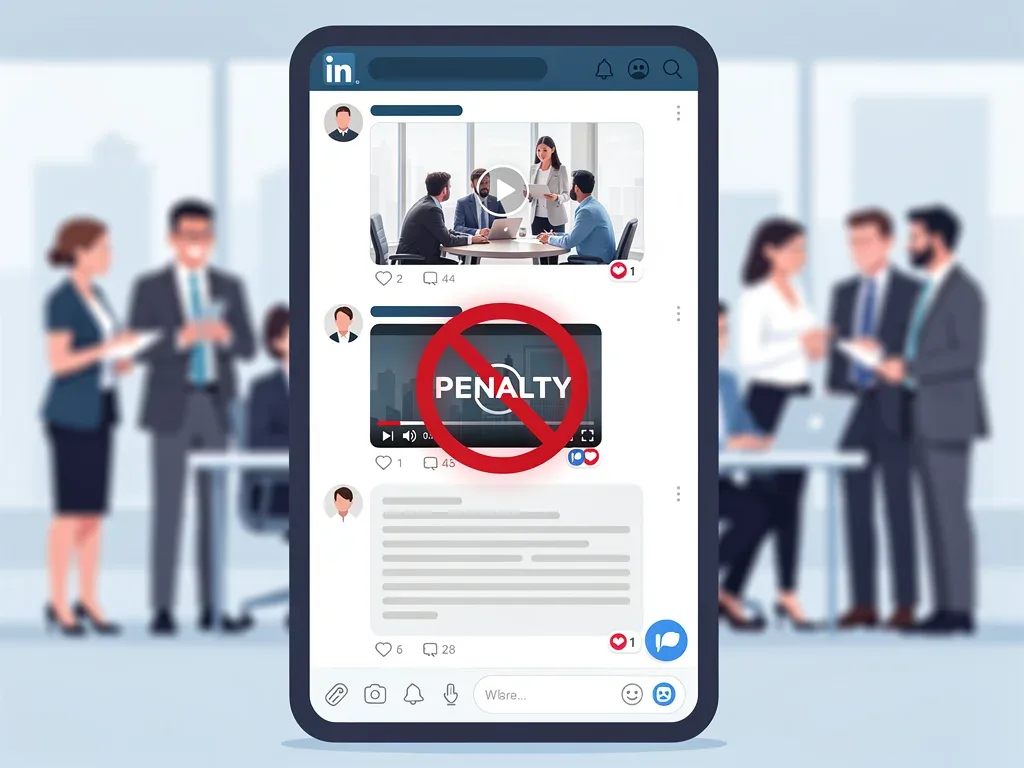
LinkedIn's 2026 feed overhaul is significantly penalizing text-only posts, resulting in a reported 50% reduction in organic reach, compelling users to adopt more diverse content formats for visibility.
The professional networking landscape is constantly evolving, and LinkedIn's 2026 Feed Overhaul: How Text-Only Posts Are Seeing a 50% Reach Penalty marks a pivotal shift. This significant change is reshaping how professionals engage on the platform, demanding a fresh approach to content strategy. Understanding these adjustments is crucial for anyone looking to maintain or enhance their professional presence and influence.
Understanding the LinkedIn Feed Overhaul
LinkedIn, as the premier platform for professional networking and career development, continually refines its algorithm to enhance user experience and content relevance. The 2026 feed overhaul represents one of the most substantial changes in recent years, particularly targeting the prioritization of content formats. This update is designed to foster more dynamic and engaging interactions, moving away from static, text-heavy posts.
The core philosophy behind this overhaul appears to be a drive towards richer, more interactive content. LinkedIn's internal data likely indicated that purely text-based updates, while sometimes insightful, often lead to lower engagement rates compared to posts incorporating visuals, video, or interactive elements. This strategic shift aims to elevate the overall quality and stickiness of the feed, encouraging users to spend more time on the platform and interact more deeply with shared content.
The Algorithm's New Priorities
The updated algorithm now places a significantly higher value on posts that include multimedia. This could range from images and carousels to native video and documents. The rationale is simple: visual content is inherently more attention-grabbing in a crowded feed. It breaks the monotony of text, making a post stand out and more likely to be consumed.
- Visual Engagement: Posts with images or videos tend to stop the scroll, prompting users to pause and engage.
- Interactive Elements: Carousels, polls, and document shares encourage active participation beyond a simple like or comment.
- Native Content: LinkedIn increasingly favors content uploaded directly to the platform over external links, aiming to keep users within its ecosystem.
The feed overhaul is not merely a tweak; it's a fundamental re-evaluation of what constitutes valuable content on LinkedIn. For content creators, this means a mandatory pivot towards more visually appealing and interactive formats if they wish to avoid the steep reach penalty now associated with text-only posts. Adapting early will be key to maintaining visibility and influence on the platform.
The 50% Reach Penalty for Text-Only Posts
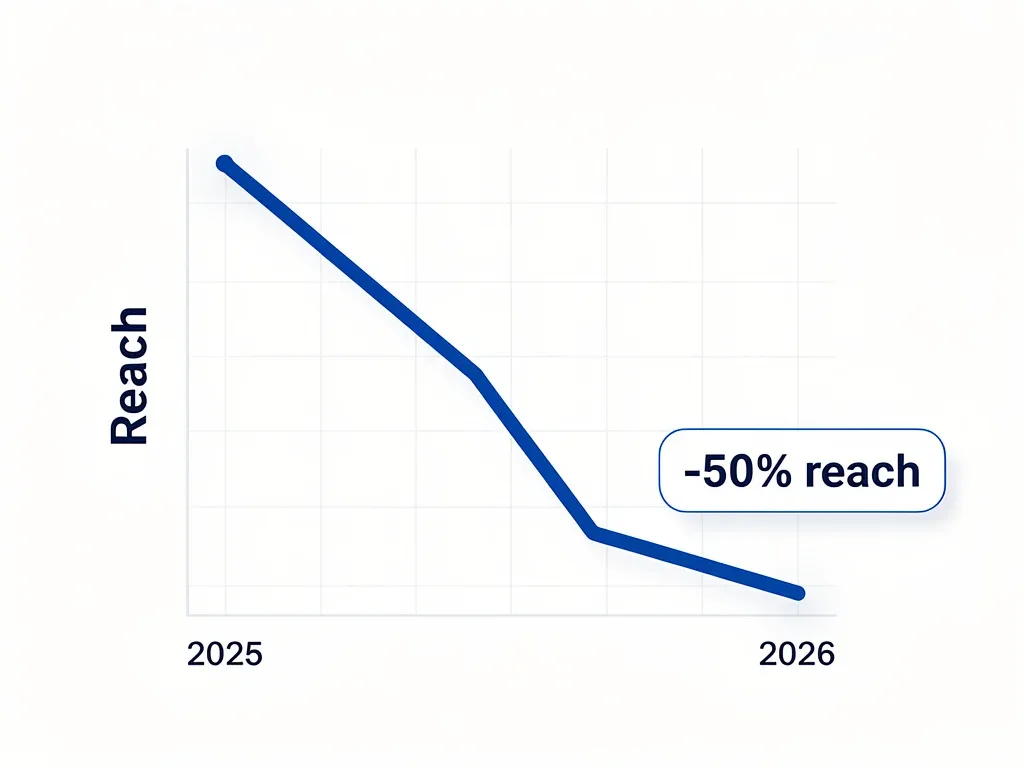
The most alarming revelation from the 2026 LinkedIn feed overhaul is the reported 50% reach penalty applied to text-only posts. This drastic reduction means that content creators relying solely on written updates will find their messages reaching only half of their potential audience compared to pre-overhaul metrics. This penalty is a clear signal from LinkedIn: evolve your content, or be left behind.
This substantial penalty is not arbitrary. It reflects LinkedIn's commitment to optimizing the user experience by promoting content formats that historically generate higher engagement. While text-only posts can convey valuable insights, their passive nature often fails to capture and sustain attention in the same way that a well-crafted visual or video can. The platform is effectively nudging users towards content types that align with modern digital consumption habits.
Implications for Content Creators
For individuals and businesses who have built their LinkedIn presence primarily through thought-leadership articles and text-based updates, this penalty poses a significant challenge. It necessitates a complete re-evaluation of their content strategy to ensure their professional messages continue to resonate and reach their target audience.
- Decreased Visibility: Text-only posts will struggle to appear prominently in followers' feeds, potentially leading to a drop in overall engagement and profile views.
- Reduced Impact: Even highly valuable text content may lose its impact if it fails to reach a broad enough audience.
- Competitive Disadvantage: Those who adapt quickly to multimedia formats will gain a substantial advantage over competitors still relying on text.
The 50% reach penalty is a wake-up call for the LinkedIn community. It underscores the importance of staying agile and responsive to platform changes. Ignoring this shift could lead to a significant decline in professional brand visibility and networking opportunities.
Why LinkedIn is Prioritizing Multimedia Content
LinkedIn's decision to heavily favor multimedia content is not a sudden whim but a calculated move based on evolving user behavior and platform analytics. In an increasingly visual and fast-paced digital world, users are drawn to content that is easily digestible, engaging, and provides immediate value. Multimedia formats inherently fulfill these criteria more effectively than plain text.
The platform aims to create a more dynamic and interactive environment, mirroring trends seen on other successful social media platforms. By encouraging rich media, LinkedIn seeks to increase time spent on the app, foster deeper connections, and ultimately enhance its value proposition for both users and advertisers. This strategy is about maintaining relevance and competitiveness in a crowded digital space.
The Science Behind Visual Engagement
Research consistently shows that visual content is processed by the human brain significantly faster than text. Images and videos can convey complex information quickly, evoke emotions, and are more memorable. On a professional platform like LinkedIn, this translates to more effective communication and a higher likelihood of message retention.
- Faster Information Processing: Visuals are absorbed almost instantly, making content more accessible.
- Increased Retention: People remember visual information better than purely textual information.
- Emotional Connection: Videos and well-designed graphics can create a stronger emotional bond with the audience.
Moreover, multimedia content often encourages more diverse forms of engagement, such as shares, comments, and saves, which are all positive signals to LinkedIn's algorithm. By prioritizing these formats, LinkedIn is effectively optimizing for a more active and vibrant community, ensuring the platform remains a go-to resource for professionals globally.
Strategies to Adapt to the New LinkedIn Algorithm
Navigating the new LinkedIn algorithm requires a proactive and strategic shift in content creation. With the 50% reach penalty for text-only posts, professionals must embrace diverse content formats to maintain their visibility and engagement. The key is not just to add visuals, but to integrate them thoughtfully to enhance the message.
Successful adaptation will involve experimentation and a willingness to step outside traditional text-based content creation. This means exploring new tools, learning new skills, and understanding what resonates with your specific professional audience in a visual format. The goal is to make your content both informative and captivating.
Embracing Multimedia Formats
The most direct way to counter the reach penalty is to consistently incorporate multimedia into your posts. This doesn't necessarily mean producing high-budget videos for every update. Simple, well-designed visuals can be incredibly effective.
- Infographics and Data Visualization: Transform complex data or insights into easy-to-understand visuals.
- Short-Form Video: Share quick tips, industry updates, or personal insights through native LinkedIn video.
- Carousels (Document Posts): Use multi-slide presentations to tell a story, share a tutorial, or break down a topic.
- High-Quality Images: Accompany your text with relevant, professional images that add context and visual appeal.
Beyond just adding media, consider how each format can best serve your message. A concise video might be perfect for an announcement, while a detailed carousel could be better for a step-by-step guide. By strategically choosing your media, you can significantly boost your post's performance and ensure your content reaches its intended audience.
Leveraging Video and Visuals for Maximum Reach
In the wake of LinkedIn's 2026 feed overhaul, video and high-quality visuals have become indispensable tools for maximizing reach and engagement. Simply including a visual isn't enough; the quality and relevance of that visual content are paramount. Professionals must now think like storytellers, using visual mediums to convey their expertise and connect with their audience on a deeper level.
The power of video, in particular, lies in its ability to humanize your professional brand. It allows your audience to hear your voice, see your expressions, and gain a more personal connection, which can be incredibly valuable in building trust and authority. Visuals, on the other hand, can simplify complex ideas, making your insights more accessible and shareable.
Best Practices for Visual Content
To truly leverage video and visuals, consider these best practices:
- Native Uploads: Always upload videos and documents directly to LinkedIn rather than linking to external platforms. The algorithm favors native content.
- Conciseness: Keep videos short and to the point, especially for initial engagement. Aim for 60-90 seconds for most updates.
- High-Quality Production: While not Hollywood-level, ensure good lighting, clear audio, and professional-looking visuals.
- Strong Thumbnails and Hooks: For videos, a compelling thumbnail and an engaging opening are crucial to capture attention.
- Accessibility: Include captions for videos to cater to those watching without sound and to improve accessibility.
By focusing on these elements, you can transform your LinkedIn presence from a passive text-based feed to a dynamic showcase of your professional insights and expertise, effectively bypassing the reach penalty and connecting more profoundly with your network.
Measuring Impact and Adapting Your Strategy
The journey to adapting to LinkedIn's 2026 feed overhaul doesn't end with creating multimedia content; it requires continuous measurement and refinement. Understanding how your new content strategy is performing is crucial for optimizing your efforts and ensuring you're effectively bypassing the 50% reach penalty for text-only posts. Data-driven decisions will be your most valuable asset in this evolving landscape.
LinkedIn provides robust analytics for company pages and individual profiles, offering insights into impressions, engagement rates, and audience demographics. Regularly reviewing these metrics will help you identify what resonates most with your audience and what needs adjustment. This iterative process of creation, measurement, and adaptation is key to long-term success on the platform.
Key Metrics to Monitor
Focus on these metrics to gauge the effectiveness of your new content strategy:
- Reach/Impressions: Track how many unique users saw your post. An increase here indicates you're overcoming the text-only penalty.
- Engagement Rate: This includes likes, comments, shares, and clicks. Higher engagement signals that your content is compelling.
- Follower Growth: Consistent engagement with high-quality multimedia content can lead to organic follower growth.
- Website Clicks (if applicable): If your goal is to drive traffic, monitor click-through rates on any links included in your multimedia posts.
By meticulously tracking these indicators, you can gain a clear picture of what's working and what's not. Don't be afraid to experiment with different visual styles, video lengths, or interactive elements. The LinkedIn algorithm is constantly learning, and so should your content strategy, ensuring you remain at the forefront of professional engagement.
The Future of Professional Content on LinkedIn
The 2026 LinkedIn feed overhaul, with its significant penalty for text-only posts, is not merely a temporary adjustment but a clear indicator of the future direction of professional content. The platform is unequivocally moving towards a more visually rich, interactive, and dynamic user experience. This shift will profoundly impact how professionals build their personal brands, seek opportunities, and engage with their networks.
The emphasis on multimedia signals a broader trend across all social platforms: the declining efficacy of static text in capturing and retaining audience attention. For LinkedIn, this means fostering a community where insights are shared not just through words, but through compelling visuals, engaging videos, and interactive discussions. Those who embrace this vision will be the thought leaders of tomorrow.
Preparing for Continued Evolution
The current overhaul is unlikely to be the last. LinkedIn, like all major tech platforms, will continue to evolve its algorithms and features. Staying ahead will require:
- Continuous Learning: Keep abreast of platform updates and industry best practices.
- Audience-Centric Approach: Always prioritize what your audience finds valuable and engaging, regardless of format.
- Adaptability: Be prepared to experiment with new content types and adjust your strategy as the platform changes.
- Authenticity: While embracing new formats, ensure your content remains authentic to your professional brand and voice.
Ultimately, the future of professional content on LinkedIn is about creating meaningful connections through compelling storytelling. Whether it's a powerful infographic, an insightful video, or an interactive poll, the goal remains the same: to share knowledge, spark conversations, and build a strong professional community. The 2026 overhaul is simply accelerating this inevitable evolution.
| Key Aspect | Brief Description |
|---|---|
| Reach Penalty | Text-only posts on LinkedIn now face a significant 50% reduction in organic reach. |
| Content Prioritization | LinkedIn's algorithm now heavily favors multimedia content like videos, images, and carousels. |
| Adaptation Strategy | Professionals must integrate diverse visual and interactive content to maintain visibility and engagement. |
| Future Trend | The overhaul signifies a permanent shift towards dynamic, visually-driven professional networking. |
Frequently Asked Questions About the LinkedIn Overhaul
What is the main impact of LinkedIn's 2026 feed overhaul?▼The primary impact is a significant 50% reach penalty for text-only posts. This means that content without multimedia elements will be shown to a much smaller audience, fundamentally changing how professionals need to approach content creation on the platform.
Why is LinkedIn penalizing text-only posts?▼LinkedIn is prioritizing multimedia content to enhance user engagement and platform stickiness. Data suggests that visual and video content leads to higher interaction rates, encouraging users to spend more time on the platform and fostering deeper connections among professionals.
What types of content should I focus on now for LinkedIn?▼To maximize reach, focus on incorporating videos (native uploads), high-quality images, carousels (multi-slide documents), and infographics. These formats are favored by the new algorithm and are proven to generate higher engagement compared to plain text.
How can I measure the effectiveness of my new content strategy?▼Utilize LinkedIn's built-in analytics to track key metrics such as post reach/impressions, engagement rate (likes, comments, shares), and follower growth. Regularly reviewing these insights will help you understand what content resonates best with your professional audience.
Will this overhaul affect my existing text-only posts?▼While the penalty primarily impacts new content, older text-only posts may also see reduced visibility if they are re-shared or resurface in the feed. It's advisable to update your current content strategy moving forward to align with the new algorithm's preferences.
Conclusion
The 2026 LinkedIn feed overhaul represents a significant turning point for professionals and businesses leveraging the platform. The explicit 50% reach penalty for text-only posts is a clear directive: the era of purely text-based professional content is waning. Success on LinkedIn now hinges on the ability to adapt, embrace multimedia storytelling, and create engaging visual and video content that resonates deeply with the target audience. By understanding the algorithm's new priorities and strategically integrating diverse content formats, users can not only circumvent the reach penalty but also significantly enhance their professional brand visibility and impact in the evolving digital landscape.
