Indie Horror Box Office: 5 Films Outgrossing Blockbusters
Advertisements
Indie horror box office successes, specifically five films outgrossing $150 million blockbusters, highlight a significant shift in cinematic economics, proving that innovative storytelling and effective marketing can surpass the reach of large-scale productions.
In an era dominated by sprawling superhero sagas and CGI-heavy franchises, the phenomenon of a low-budget film quietly accumulating massive box office returns often feels like a cinematic underdog story. This is especially true when discussing indie horror box office triumphs, where a select few films have not only captivated audiences but have also remarkably outgrossed blockbusters boasting budgets upward of $150 million. How do these lean, often terrifying, productions manage to punch so far above their weight class? It’s a fascinating question that delves into the very heart of what makes a movie successful in today's unpredictable market.
The Unseen Power of Indie Horror at the Box Office
The indie horror genre has long been a breeding ground for innovation, pushing boundaries with limited resources. These films often rely on clever storytelling, psychological tension, and raw, visceral scares rather than expensive special effects. This approach not only keeps production costs down but also often resonates more deeply with audiences seeking genuine frights and original narratives.
Historically, horror has always been a profitable genre, but the recent surge of indie titles surpassing major studio releases is a testament to a changing landscape. Audiences are increasingly sophisticated, craving unique experiences that diverge from the predictable formulas of mainstream cinema. The word-of-mouth marketing, amplified by social media, plays a crucial role in transforming a small, independent release into a box office sensation.
Why Audiences Flock to Independent Scares
Several factors contribute to the disproportionate success of indie horror films. These include:
- Originality: Indie films are less constrained by studio expectations, allowing for more creative freedom and unique concepts.
- Relatability: Often, the grounded nature of indie horror, focusing on human fears and practical effects, creates a more immersive and relatable experience.
- Community Building: Horror fans are a dedicated and vocal community, eager to champion films that genuinely impress them.
The ability of these films to generate significant buzz through organic channels, coupled with strategic, often limited, marketing campaigns, allows them to achieve impressive returns on investment. This makes them incredibly attractive to distributors who recognize the potential for high profitability with lower risk.
Ultimately, the success of indie horror at the box office underscores a crucial truth: strong storytelling and a clear vision can often outweigh the sheer financial muscle of larger productions. These films prove that a compelling narrative, executed with passion, can truly resonate with a broad audience, leading to unexpected and remarkable financial triumphs.
Case Study 1: The BLAIR WITCH PROJECT (1999)
One of the earliest and most iconic examples of an indie horror film achieving monumental box office success is The Blair Witch Project. Released in 1999, this found-footage masterpiece redefined the genre and demonstrated the immense power of viral marketing before the age of ubiquitous social media. Its production budget was a mere $60,000, yet it went on to gross over $248 million worldwide, dwarfing many big-budget films of its time.
The film's success was largely attributed to its innovative marketing campaign, which presented the fictional story as a genuine documentary about missing student filmmakers. This blurred the lines between reality and fiction, creating an unprecedented level of immersion and fear among audiences. The minimalist approach, relying on suggestion and psychological terror rather than graphic visuals, proved incredibly effective.
Marketing Genius and Audience Engagement
The marketing strategy for The Blair Witch Project was revolutionary. It utilized early internet forums and a dedicated website to spread rumors and "evidence" of the Blair Witch legend, convincing many that the events depicted were real. This generated an enormous amount of curiosity and discussion, driving audiences to theaters.
- Online Presence: A detailed website featuring fake police reports, interviews, and journal entries created a compelling mythology.
- Word-of-Mouth: The ambiguous ending and the film's perceived realism fueled endless discussions and recommendations.
- Low Budget, High Impact: The raw, unpolished aesthetic contributed to its authenticity, making the scares feel more immediate and terrifying.
The film's impact extended beyond its financial success; it spawned countless imitators and solidified found-footage as a legitimate subgenre within horror. Its enduring legacy is a testament to how creative constraints can lead to groundbreaking artistic and commercial achievements. The Blair Witch Project remains a prime example of how an indie horror film can not only outgross but also fundamentally reshape the cinematic landscape, proving that genuine fear doesn't require a massive budget.
Case Study 2: PARANORMAL ACTIVITY (2007)
Following in the footsteps of The Blair Witch Project, Paranormal Activity emerged in 2007 as another found-footage phenomenon that shattered box office expectations. Produced on an astonishingly low budget of approximately $15,000, this film managed to rake in over $193 million globally. Its success demonstrated that the found-footage format still held immense power to terrify and captivate audiences, particularly when executed with precision and psychological depth.
The film's premise was simple yet terrifying: a couple records strange occurrences in their home, believing they are being haunted by a demonic presence. The scares were built on subtle, escalating disturbances rather than overt jump scares, creating an atmosphere of pervasive dread. This minimalist approach allowed the audience's imagination to do much of the work, making the experience intensely personal and frightening.

The Power of Simplicity and Suspense
Paranormal Activity excelled by mastering the art of delayed gratification and psychological terror. The film's brilliance lay in its ability to build suspense through seemingly innocuous events, leading to genuinely chilling moments that felt earned and impactful.
- Gradual Escalation: The horror unfolds slowly, starting with minor disturbances and building to more intense paranormal activity.
- Audience Participation: The found-footage style encourages viewers to actively search for clues and interpret events, making them feel part of the investigation.
- Effective Marketing: A clever marketing campaign, including test screenings that generated massive buzz, helped propel the film into the mainstream.
The film's success also benefited from a unique distribution strategy. Paramount Pictures, after acquiring the film, allowed audiences to demand screenings in their cities through an online campaign, effectively creating a grassroots movement that ensured its widespread release. This innovative approach, combined with its terrifying simplicity, solidified Paranormal Activity as a modern indie horror classic and a remarkable box office success story, proving the enduring appeal of well-crafted, low-budget scares.
Case Study 3: THE CONJURING (2013)
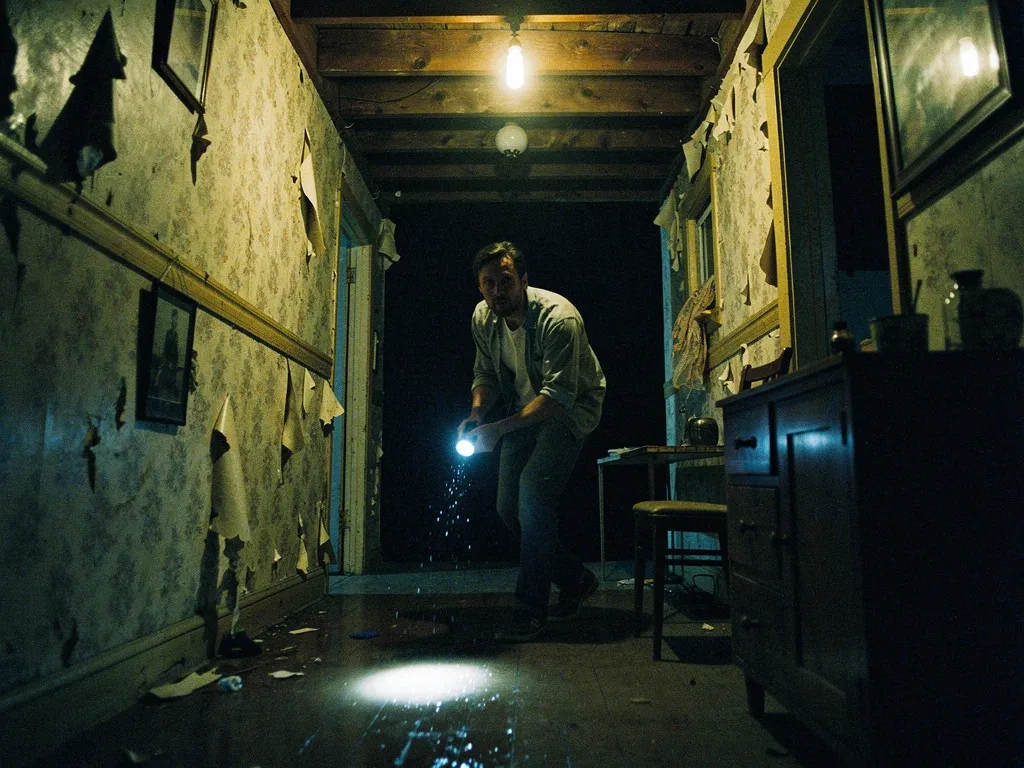
While often perceived as a major studio production due to its polished aesthetic and widespread release, The Conjuring originated from a relatively modest budget for a horror film of its caliber, around $20 million. It went on to gross an astonishing $319 million worldwide, establishing a massive cinematic universe and proving that a well-executed, classic haunted house story could still resonate powerfully with modern audiences. Its success far outstripped many blockbusters with significantly larger budgets.
Directed by James Wan, the film masterfully blended traditional horror tropes with sophisticated filmmaking techniques. It focused on genuine scares, character development, and a strong narrative based on the real-life investigations of paranormal experts Ed and Lorraine Warren. The film’s ability to generate dread through atmosphere, sound design, and well-timed jump scares, without resorting to excessive gore, appealed to a broad audience.
Crafting a Modern Horror Classic
The Conjuring succeeded by understanding the core elements that make horror effective and executing them flawlessly. Its critical and commercial acclaim led to numerous sequels and spin-offs, solidifying its place as a cornerstone of modern horror.
- Strong Direction: James Wan’s expertise in crafting suspense and terror is evident throughout the film.
- Compelling Characters: The focus on the Warrens and the Perron family provided emotional anchors for the audience.
- Atmospheric Horror: The film relied heavily on classic haunted house elements, building tension through sound, lighting, and unsettling visuals.
The film’s success was not just about scares; it was about creating a compelling story with characters that audiences cared about. This emotional investment amplified the horror, making the threats feel more real and immediate. The Conjuring stands as a testament to the fact that even within a more traditional horror framework, independent spirit and masterful execution can lead to monumental box office achievements that challenge the dominance of big-budget blockbusters.
Case Study 4: GET OUT (2017)
Jordan Peele’s directorial debut, Get Out, is a prime example of an indie horror film that transcended genre boundaries to become a cultural phenomenon. Produced with a budget of just $4.5 million, the film earned over $255 million worldwide, a staggering return that outperformed countless tentpole releases. Its critical acclaim, including an Academy Award for Best Original Screenplay, further cemented its status as a groundbreaking cinematic achievement.
Get Out masterfully blended psychological horror with sharp social commentary, addressing themes of racism and systemic oppression through a terrifying and thought-provoking narrative. The film’s originality, intelligence, and ability to spark widespread discussion contributed significantly to its immense success. It proved that horror could be not only scary but also profoundly meaningful and culturally relevant.
Social Commentary Meets Psychological Thrills
The film’s impact stemmed from its ability to tap into contemporary anxieties and present them within a genre framework, making it accessible and engaging for a diverse audience. Its clever twists and memorable imagery resonated long after the credits rolled.
- Original Concept: A fresh take on horror that fused social satire with genuine scares.
- Critical Acclaim: Raved by critics for its screenplay, direction, and performances, boosting its mainstream appeal.
- Cultural Relevance: Sparked important conversations about race and society, making it more than just a horror film.
Get Out demonstrated that audiences are hungry for films that challenge and provoke, even within the horror genre. Its success was a clear indicator that a compelling, intelligent story, even on a modest budget, can achieve monumental box office results and leave a lasting cultural footprint. This film truly redefined what an indie horror film could achieve, both artistically and commercially.
Case Study 5: HEREDITARY (2018)
Ari Aster’s debut feature, Hereditary, is another striking example of an indie horror film that achieved significant box office success while pushing the boundaries of the genre. With a budget of approximately $10 million, the film grossed over $80 million worldwide, a strong performance for a film known for its intense psychological horror and disturbing themes. While not quite reaching the same heights as some of the others on this list, its profitability ratio and critical reception firmly place it among the top indie horror success stories, especially considering its uncompromising artistic vision.
Hereditary is a slow-burn psychological horror that delves into themes of grief, trauma, and inherited madness. It received widespread critical acclaim for its unsettling atmosphere, Toni Collette's powerhouse performance, and Aster's masterful direction. The film’s ability to genuinely disturb and haunt viewers without relying on cheap scares set it apart, cultivating a dedicated following and strong word-of-mouth.
Artistic Vision and Uncompromising Terror
The film’s success highlights a segment of the audience that craves sophisticated, challenging horror that prioritizes psychological impact over conventional jump scares. Its unique narrative and disturbing imagery made it a memorable cinematic experience.
- Intense Psychological Depth: Explored complex themes of family trauma and mental illness, creating a deeply unsettling narrative.
- Strong Performances: Led by Toni Collette, the cast delivered powerful and believable portrayals of characters in distress.
- Masterful Direction: Ari Aster’s precise filmmaking and unsettling visual style created a uniquely terrifying atmosphere.
Hereditary proved that there is a significant audience for elevated horror that dares to be genuinely disturbing and thought-provoking. Its financial success, relative to its budget and genre, underscores the growing appetite for artistically ambitious horror films that challenge conventions and deliver a profound, lasting impact. It stands as a testament to the fact that unique vision and a commitment to genuine terror can yield impressive box office returns, even for films that are far from mainstream in their approach.
The Strategic Edge of Indie Horror
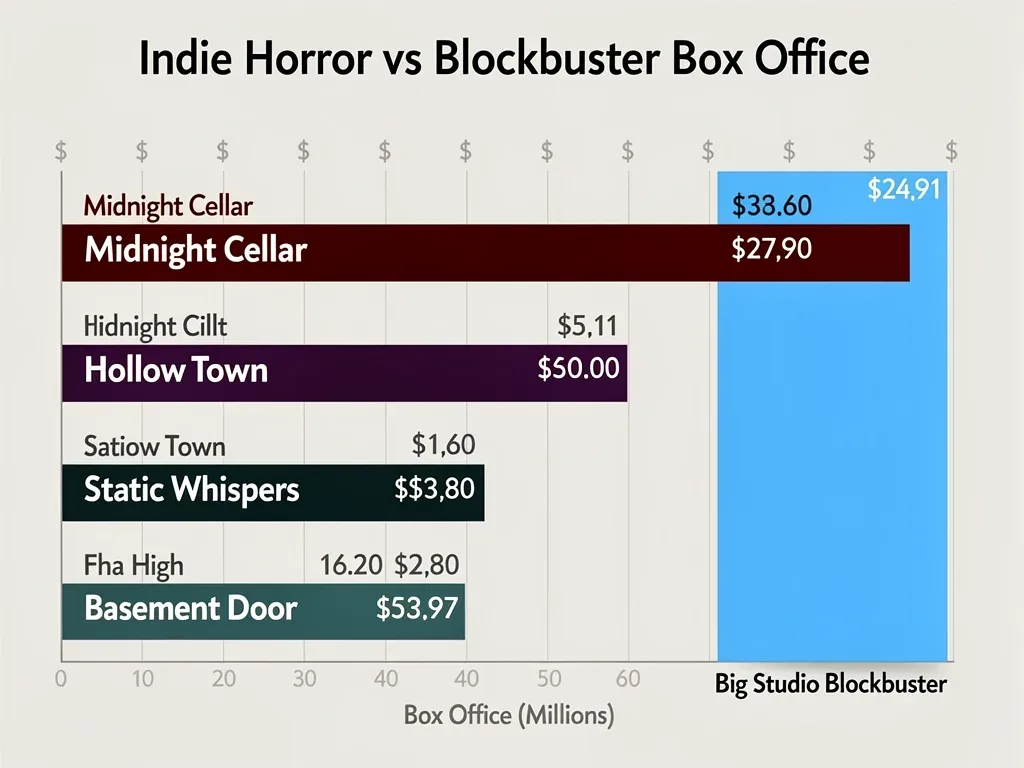
The consistent ability of indie horror films to outperform their big-budget counterparts isn't merely a series of fortunate accidents; it's a reflection of strategic advantages inherent to the genre and independent filmmaking. These advantages allow them to thrive in a competitive market, often turning minimal investments into substantial profits. Understanding these strategic elements provides insight into why the indie horror box office continues to surprise.
One key factor is the genre's built-in audience. Horror fans are notoriously loyal and actively seek out new content, regardless of its budget. This dedicated fanbase provides a strong foundation for word-of-mouth marketing, which is often the most effective and least expensive form of promotion. When a horror film genuinely delivers scares or innovative concepts, its audience becomes its most powerful advocate, spreading enthusiasm across social media and fan communities.
Cost-Effectiveness and High ROI
Indie horror films are inherently designed for high returns on investment. Their low production costs mean that even a moderate box office performance can translate into significant profitability. This financial efficiency makes them an attractive proposition for investors and distributors.
- Lean Budgets: Forced creativity often leads to more innovative and effective scares without expensive CGI.
- Targeted Marketing: Ability to focus marketing efforts directly on the dedicated horror fanbase, reducing wasted spend.
- Ancillary Revenue: Strong performance can lead to sequels, spin-offs, and streaming deals, further boosting profitability.
Furthermore, the creative freedom afforded by independent production allows filmmakers to take risks that major studios might shy away from. This results in fresh, original stories that stand out from the often-formulaic offerings of mainstream cinema. Audiences, tired of predictable narratives, are increasingly drawn to these unique voices, recognizing the authenticity and passion behind them. This willingness to experiment with themes, styles, and narrative structures often leads to films that resonate more deeply and leave a lasting impression.
In conclusion, the strategic edge of indie horror lies in its ability to leverage a passionate fanbase, maintain strict cost controls, and embrace creative freedom. These elements combine to create a powerful formula for success, allowing these films to consistently punch above their weight and demonstrate that compelling storytelling and genuine scares are truly priceless.
| Key Aspect | Brief Description |
|---|---|
| Low Budget Advantage | Indie horror films achieve massive profits due to minimal production costs, maximizing return on investment. |
| Creative Freedom | Unconstrained by major studios, indie films offer unique, original narratives that resonate deeply with audiences. |
| Audience Engagement | Dedicated horror fanbases drive powerful word-of-mouth marketing, turning small releases into blockbusters. |
| Innovative Marketing | Clever, often viral campaigns amplify reach and generate significant buzz without huge expenditures. |
Frequently Asked Questions About Indie Horror Box Office Success
What defines an indie horror film in terms of budget?▼An indie horror film typically operates with a significantly smaller budget compared to major studio productions, often ranging from a few thousand dollars to a few million. This financial constraint usually dictates a reliance on creative storytelling, practical effects, and innovative marketing rather than expensive CGI or star power.
How do indie horror films achieve such high box office returns?▼Their success stems from a combination of low production costs, strong word-of-mouth marketing within dedicated horror communities, and often, unique and compelling narratives that resonate with audiences seeking originality. Effective viral campaigns and strategic distribution also play crucial roles in amplifying their reach.
Are these films critically acclaimed or just commercially successful?▼Many of the most successful indie horror films, such as Get Out and The Conjuring, have achieved both critical acclaim and commercial success. Their ability to blend compelling storytelling with genuine scares often earns them praise from critics, which further contributes to their widespread appeal and box office performance.
What impact do these successes have on the film industry?▼These successes demonstrate that quality and creativity can outweigh massive budgets, encouraging studios to invest in more original and diverse horror projects. They also highlight the power of niche audiences and effective, grassroots marketing, influencing distribution strategies for smaller films across various genres.
Can other indie genres replicate this box office phenomenon?▼While horror has a uniquely dedicated fanbase and lower production cost threshold, the principles of strong storytelling, targeted marketing, and audience engagement are transferable. Other indie genres can certainly achieve significant success by focusing on originality, connecting with their core audience, and leveraging innovative distribution methods, though perhaps not always to the same blockbuster-outgrossing extent.
Conclusion
The remarkable phenomenon of indie horror box office successes, where films with modest budgets outgross major $150 million blockbusters, offers a compelling narrative about the evolving landscape of cinema. These films, from the found-footage terror of The Blair Witch Project and Paranormal Activity to the sophisticated scares of The Conjuring, the social commentary of Get Out, and the psychological depth of Hereditary, prove that genuine creativity, astute storytelling, and a deep understanding of audience desires can transcend the limitations of financial resources. They underscore the importance of originality and the power of a dedicated fanbase in driving cinematic triumphs. As the industry continues to shift, the lessons learned from these indie horror sensations will undoubtedly inspire future filmmakers and reshape expectations for what truly constitutes a blockbuster success.
