90-Minute Movie Resurgence: Audiences Rejecting 3-Hour Runtimes
Advertisements

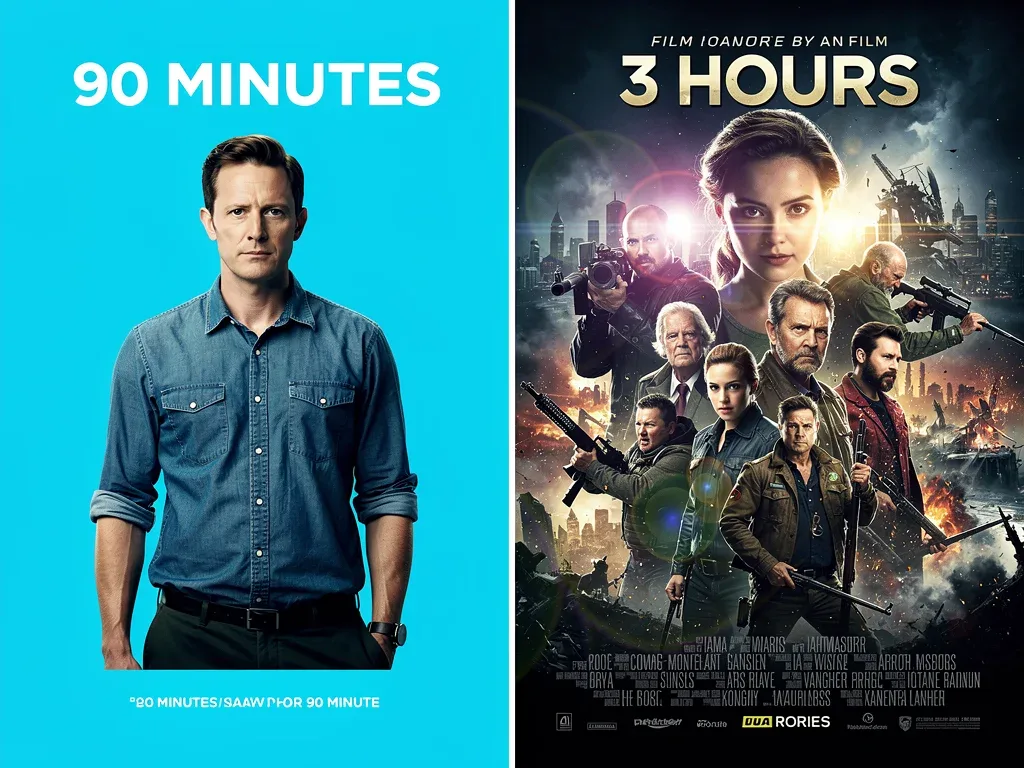
The 90-minute movie resurgence indicates a clear audience preference, with viewers rejecting 3-hour film runtimes by a significant 2-to-1 margin, signaling a shift in cinematic consumption habits.
The cinematic landscape is undergoing a remarkable transformation, with the 90-minute movie resurgence gaining undeniable momentum. Once the standard, shorter film runtimes are now experiencing a powerful comeback, as audiences increasingly express a clear preference for conciseness over epic length. Data indicates a compelling trend: viewers are rejecting films stretching beyond two hours, favoring their more compact counterparts by a significant 2-to-1 margin. This shift isn't just a fleeting preference; it's a profound re-evaluation of how we consume stories, driven by evolving lifestyles, attention spans, and the proliferation of diverse entertainment options.
The Shifting Sands of Audience Attention
The modern audience's attention span is a hotly debated topic, often cited as a key factor in the rise of shorter content formats. In an era saturated with bite-sized videos, social media scrolls, and rapid-fire information, sitting through a three-hour film can feel like a considerable investment. This isn't necessarily a commentary on the quality of longer films, but rather a reflection of changing viewing habits and the sheer volume of choices available to consumers.
Streaming services, in particular, have conditioned audiences to expect immediate gratification and easy access to a vast library of content. The commitment required for a multi-hour cinematic experience, especially at home, is often weighed against the allure of starting and finishing a film within a more digestible timeframe. This convenience factor plays a crucial role in why the 90-minute movie resurgence is so compelling to today's viewers.
The Impact of Digital Consumption on Film Length
The digital age has fundamentally altered how we interact with media. With content readily available on demand, viewers are empowered to choose what they watch, when they watch it, and for how long. This control has inadvertently fostered a preference for efficiency in entertainment. A 90-minute film can be enjoyed in one sitting, perhaps even during a lunch break or before bed, without feeling like an overwhelming time commitment.
- Instant Gratification: Shorter films deliver a complete story quicker, aligning with modern consumption patterns.
- Reduced Commitment: Less time investment makes a film more appealing for casual viewing.
- Multi-platform Viewing: Easier to watch on various devices without feeling tethered for extended periods.
- Content Overload: Shorter runtimes allow viewers to sample more content within a given timeframe.
Ultimately, the shifting sands of audience attention are not just about shorter attention spans, but also about a more strategic approach to leisure time. Viewers are becoming more discerning with their entertainment choices, prioritizing experiences that offer a complete narrative arc without demanding an excessive time commitment. This directly fuels the momentum behind the 90-minute movie resurgence.
Economic Realities and Production Efficiencies
Beyond audience preference, the economic realities of film production also contribute significantly to the 90-minute movie resurgence. Producing a longer film inherently means higher costs across the board: more shooting days, larger cast and crew wages, increased post-production time, and greater marketing budgets. In an increasingly competitive and cost-conscious industry, shorter runtimes can offer a more financially viable path to profitability.
Studios and independent filmmakers alike are constantly seeking ways to maximize their return on investment. A well-crafted 90-minute film, if successful, can yield a higher profit margin due to its comparatively lower production expenditure. This economic incentive is a powerful driver, encouraging creators to refine their storytelling to fit a more compact format, thereby supporting the trend of shorter films.
Budgetary Benefits of Concise Storytelling
Every minute added to a film's runtime translates into tangible costs. From location rentals and equipment leases to catering and insurance, the expenses compound rapidly. By embracing a 90-minute structure, producers can:
- Optimize Schedules: Fewer shooting days reduce labor costs and logistical complexities.
- Streamline Post-Production: Less footage to edit, fewer special effects to render, and a shorter sound mix process.
- Contain Marketing Spend: A more focused narrative can sometimes lead to more targeted and efficient marketing campaigns.
- Maximize Talent Availability: Shorter commitments can attract high-demand actors and crew who might otherwise be unavailable for lengthy shoots.
The drive for efficiency isn't just about cutting corners; it's about smart resource allocation. When a compelling story can be told effectively in 90 minutes, it represents a more efficient use of both creative and financial capital. This pragmatic approach from the production side reinforces the 90-minute movie resurgence as a sustainable industry trend.
The Art of Concise Storytelling
The notion that a shorter film is inherently less artistic or impactful is a misconception. In fact, crafting a compelling narrative within a 90-minute framework often demands a higher level of precision and creativity. Filmmakers are challenged to be more economical with their storytelling, ensuring every scene, every line of dialogue, and every character interaction serves a clear purpose. This discipline can lead to tighter plots, sharper character development, and a more impactful overall experience for the viewer.
Many classic and critically acclaimed films have adhered to the 90-minute standard, proving that brevity does not equate to shallowness. It forces writers and directors to focus on the essential elements of their story, stripping away unnecessary subplots or extended sequences that can dilute the main narrative. This emphasis on efficiency in storytelling is a cornerstone of the 90-minute movie resurgence.
Mastering the Narrative Arc in 90 Minutes
A well-executed 90-minute film typically features a strong, clear narrative arc that moves swiftly from exposition to rising action, climax, and resolution. There's less room for meandering, which can be a strength, pushing creators to distill their ideas to their most potent form. Key aspects include:
- Focused Plotlines: Eliminating extraneous subplots to maintain a tight narrative.
- Efficient Character Introductions: Quickly establishing character motivations and relationships.
- Pacing and Tension: Maintaining a consistent pace that builds tension effectively without lulls.
- Impactful Resolutions: Delivering satisfying conclusions that resonate without overstaying their welcome.
Filmmakers embracing the 90-minute format are often lauded for their ability to convey complex themes and emotional depth within these constraints. It's a testament to the idea that quality often triumphs over quantity, and that a powerful story can be told without requiring an epic runtime. This artistic challenge is yielding some truly engaging cinema, further fueling the 90-minute movie resurgence.
The Role of Streaming Platforms
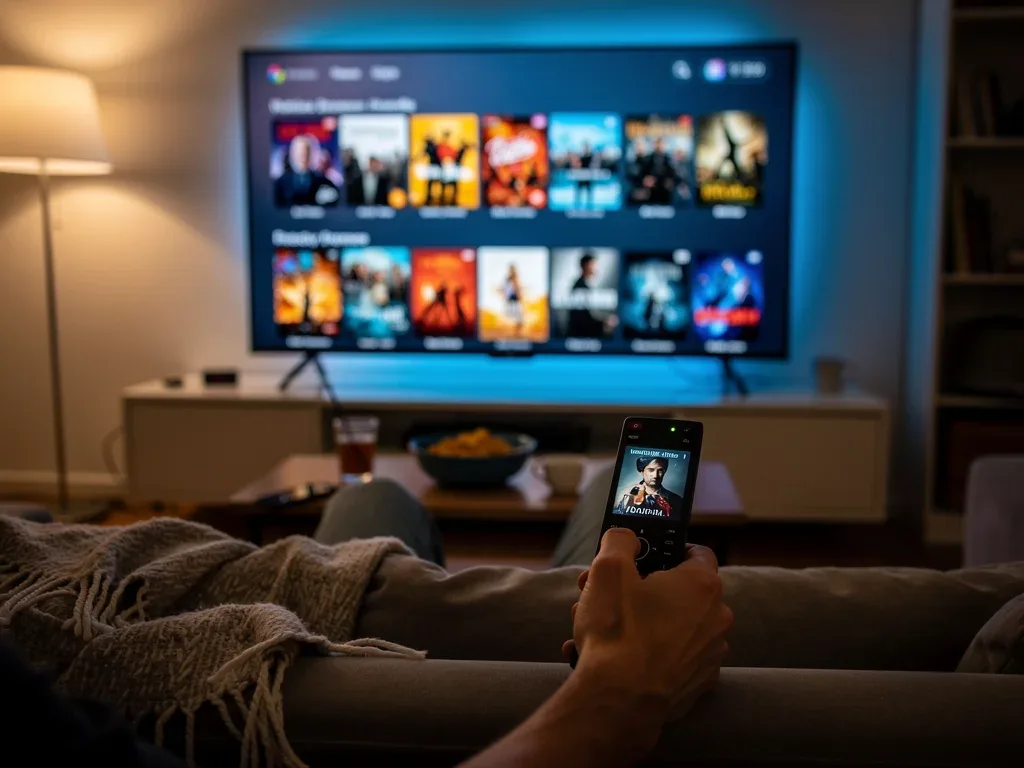
Streaming platforms have undeniably played a pivotal role in accelerating the 90-minute movie resurgence. With vast libraries at their fingertips, subscribers are constantly browsing for content that fits their current mood and available time. A shorter film often represents a lower-risk choice, making it more likely to be selected over a longer commitment, especially when scrolling through endless options.
The algorithms of these platforms also subtly influence viewing habits. Films that are completed more frequently might receive higher visibility, as completion rates are a key metric for engagement. Shorter films naturally have higher completion rates, potentially leading to increased promotion and discovery within the streaming ecosystem. This feedback loop further solidifies the appeal of the 90-minute format.
Algorithms and Viewer Engagement
The way streaming algorithms are designed often prioritizes content that keeps viewers engaged and returning to the platform. While a 3-hour movie might offer deep immersion, its sheer length can sometimes deter initial selection or lead to abandonment. Shorter films, by contrast, are more amenable to casual viewing and can be finished in a single sitting, contributing to higher completion rates.
- Browseability: Shorter films are easier to pick and start, reducing decision fatigue.
- Completion Metrics: Higher completion rates can signal better engagement to algorithms.
- Recommendation Engines: Platforms might favor recommending films that fit typical viewing session lengths.
- Binge-Watching Culture: While primarily for series, the desire for quick, consumable content extends to movies.
The convenience offered by streaming, coupled with the algorithmic push towards completion, creates an environment where the 90-minute movie resurgence thrives. It's a symbiotic relationship where platforms cater to evolving viewer habits, and in turn, those habits are reinforced by the available content and how it's presented.
Audience Feedback and Industry Response
The 2-to-1 margin by which audiences are rejecting 3-hour runtimes is not merely anecdotal; it's a significant data point that the film industry is taking notice of. Market research, social media sentiment, and direct feedback from viewers consistently point towards a desire for more concise cinematic experiences. This strong audience preference is compelling studios and filmmakers to reconsider traditional notions of film length and adapt their strategies.
Industry conferences, trade publications, and executive discussions are increasingly focusing on the optimal runtime for modern audiences. While there will always be a place for epic sagas, the general consensus is shifting towards recognizing the commercial and artistic viability of shorter, more impactful films. The 90-minute movie resurgence is a direct response to a clear signal from the consumer base.
Adapting to Viewer Preferences
Filmmakers and producers are now more attuned than ever to what their audiences want. This includes:
- Script Development: Encouraging writers to trim excess and focus on core narratives.
- Editing Room Decisions: Prioritizing pacing and impact over extended scenes.
- Genre Considerations: Recognizing that certain genres, like thrillers or comedies, often benefit from tighter runtimes.
- Pre-Production Planning: Budgeting and scheduling with a 90-100 minute target in mind.
This adaptation is not about sacrificing artistic vision, but rather about refining it to meet the expectations of a contemporary audience. The industry's response to the 90-minute movie resurgence demonstrates a healthy willingness to evolve, ensuring that cinema remains relevant and engaging for the next generation of moviegoers. This responsiveness is crucial for the long-term health of the film business.
The Future of Film Length: A Balanced Approach
While the 90-minute movie resurgence is undeniably strong, it doesn't spell the end for longer, more ambitious cinematic projects. Instead, it suggests a move towards a more balanced approach to film length. There will always be stories that genuinely require an extended runtime to be told effectively, particularly in genres like historical epics, sprawling fantasies, or complex biopics. The key lies in intentionality and justification.
The growing preference for shorter films means that when a movie does exceed the two-hour mark, audiences will increasingly expect that extra time to be thoroughly earned. Every minute must contribute meaningfully to the narrative, character development, or thematic depth. This pressure will likely lead to tighter, more purposeful longer films, rather than simply bloated ones. The future suggests a diverse cinematic landscape where both concise and epic stories can thrive, each finding its appropriate length.
Intentionality in Runtime Decisions
Moving forward, the decision on a film's length will be a more deliberate and strategic one. Filmmakers and studios will likely ask themselves:
- Does the story truly demand this length? Is every scene essential, or can elements be condensed?
- What is the audience's expectation for this genre? Does a comedy need to be 2.5 hours?
- How will this runtime impact distribution and exhibition? Shorter films allow more screenings per day in theaters.
- Can the same impact be achieved with greater conciseness? The challenge of telling more with less.
This thoughtful consideration will benefit both creators and audiences. It encourages filmmakers to be more disciplined in their craft, and it ensures that viewers are getting a film whose length is justified by its content. The 90-minute movie resurgence isn't a limitation, but rather an evolution, pushing the industry towards more efficient and impactful storytelling across all runtimes.
| Key Aspect | Description |
|---|---|
| Audience Preference | Viewers reject 3-hour films by a 2-to-1 margin, favoring shorter, digestible content. |
| Streaming Influence | Platforms encourage shorter films due to completion rates and browseability. |
| Economic Benefits | Shorter runtimes mean lower production costs and potentially higher profitability. |
| Artistic Conciseness | Filmmakers embrace precision, leading to tighter plots and impactful storytelling. |
Frequently Asked Questions About Movie Runtimes
Why are audiences preferring 90-minute movies now?▼Audiences are increasingly drawn to 90-minute movies due to changing viewing habits, shorter attention spans, and the convenience offered by streaming platforms. The ability to complete a film in one sitting without a significant time commitment makes shorter films more appealing for modern lifestyles.
How does streaming impact movie length preferences?▼Streaming services contribute to the preference for shorter films by offering vast libraries and promoting content with higher completion rates. Algorithms may favor shorter movies, and the ease of browsing encourages viewers to select less time-consuming options for immediate gratification.
Are 3-hour movies disappearing from the industry?▼No, 3-hour movies are not disappearing, but their prevalence may decrease, and their length will need stronger justification. While the 90-minute movie resurgence is strong, epic narratives will still exist, but they will likely face more scrutiny regarding their necessity for extended runtimes.
What are the benefits for filmmakers creating shorter movies?▼Filmmakers benefit from reduced production costs, more efficient schedules, streamlined post-production, and potentially higher profitability. The challenge of telling a compelling story concisely can also lead to more focused and impactful narratives, enhancing artistic discipline.
Does a shorter runtime mean less artistic quality?▼Absolutely not. Many critically acclaimed films are around 90 minutes. A shorter runtime often forces filmmakers to be more precise and creative, stripping away unnecessary elements to deliver a tighter plot and sharper character development, leading to a more impactful and memorable viewing experience.
Conclusion
The 90-minute movie resurgence is more than just a passing trend; it's a significant indicator of evolving audience preferences and industry adaptation. As viewers increasingly prioritize convenience, conciseness, and immediate engagement, filmmakers and studios are responding by embracing the art of impactful storytelling within a more compact format. This shift, driven by digital consumption habits and economic realities, suggests a future where film length is a more deliberate creative choice, ensuring that every minute on screen truly counts. The cinematic landscape is becoming more diverse, offering both epic journeys and perfectly crafted short stories, all designed to captivate the modern moviegoer.
