Fandom Boycott Forces Franchise to Rewrite 2026 Sequel
Advertisements
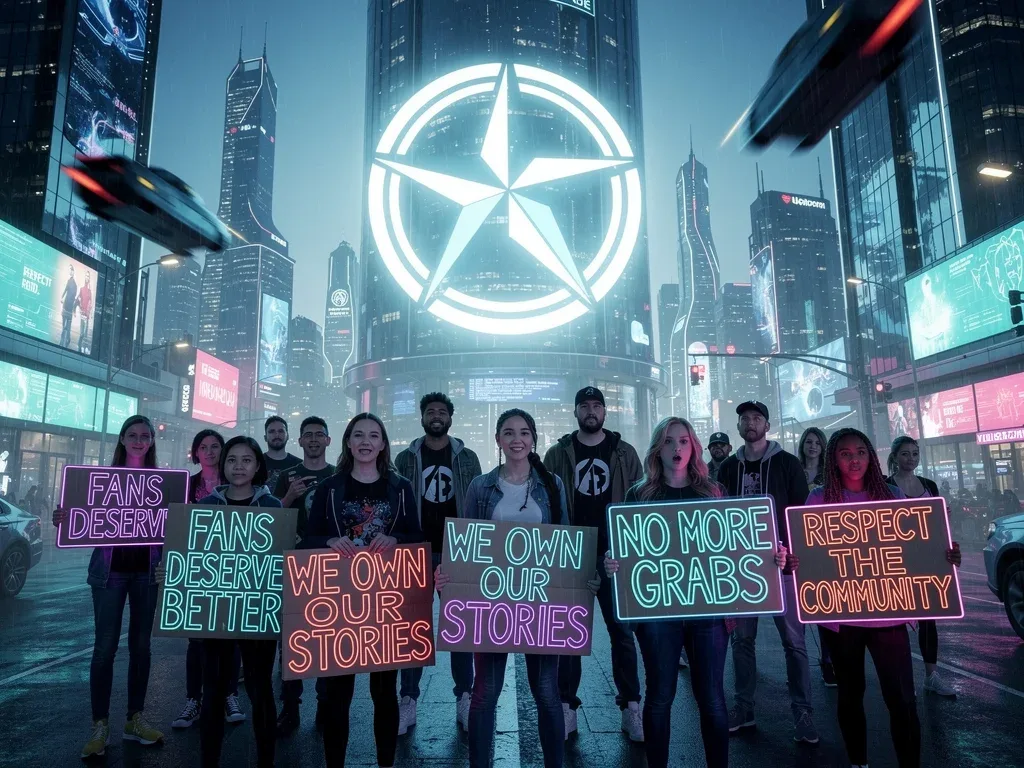
A 30-day fandom boycott successfully pressured a major entertainment franchise into rewriting its 2026 sequel, demonstrating the significant influence of dedicated fan communities on creative decisions and media production.
In an unprecedented turn of events, a relentless 30-day fandom boycott has sent shockwaves through the entertainment industry, ultimately compelling a major franchise to completely rewrite its highly anticipated 2026 sequel. This remarkable display of collective fan power underscores a shifting dynamic between creators and their audiences, where engagement transcends mere consumption and morphs into a potent force for change.
The Genesis of Discontent: Why Fans Rebelled
The seeds of this monumental boycott were sown long before the official announcement of the 2026 sequel. For years, dedicated fans had expressed growing concerns over the creative direction of the franchise, particularly regarding character arcs and thematic inconsistencies that seemed to diverge sharply from the established lore. These concerns often simmered on online forums and social media, occasionally boiling over into passionate debates.
However, it was a series of leaked plot details and controversial statements from key production members that ignited the fuse for widespread rebellion. Fans felt their beloved universe was being fundamentally misunderstood and, worse, disrespected. The perceived disregard for established canon and the introduction of plot points that many deemed antithetical to the franchise's core identity created a fertile ground for organized protest.
Key Grievances Sparking the Boycott
- Character Misrepresentation: Long-standing characters were rumored to undergo drastic personality shifts or receive unsatisfying conclusions.
- Lore Inconsistencies: Leaked plot details contradicted fundamental aspects of the franchise's established history and world-building.
- Disregard for Fan Feedback: A perceived pattern of ignoring previous fan criticisms and concerns contributed to a feeling of alienation.
- Creative Control Concerns: Many fans believed the creative vision had strayed too far from the original spirit of the franchise.
The collective frustration reached a tipping point, transforming individual grievances into a unified call for action. The decision to initiate a fandom boycott rewrite sequel movement was not made lightly, but rather emerged from a deep-seated desire to protect the integrity of a story world that had become a significant part of many lives.
Mobilizing the Masses: The Digital War Room
The organization of the 30-day boycott was a masterclass in digital activism and community management. What began as a scattered chorus of complaints quickly coalesced into a highly structured and effective protest movement. Key figures within the fandom, often influential content creators and community leaders, played a crucial role in channeling diffuse anger into focused action.
Social media platforms became the primary battleground. Hashtags like #SaveOurSequel and #Boycott2026 trended globally, amplifying the message and drawing in new supporters. Discord servers and dedicated subreddits transformed into virtual war rooms, coordinating strategies, disseminating information, and maintaining morale among thousands of participants. The boycott wasn't just about refusing to engage; it was about actively disengaging and making that disengagement undeniably visible.
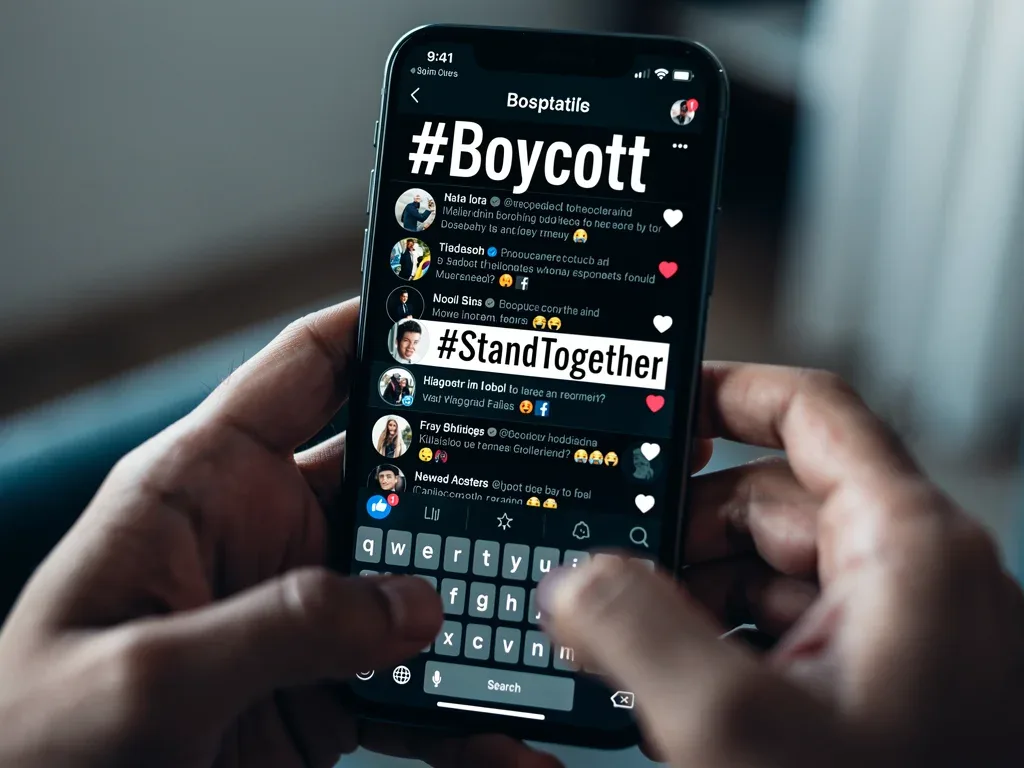
The strategy involved a multi-pronged approach. Beyond simply pledging not to watch or purchase tickets for the upcoming sequel, fans also organized email campaigns to studio executives, coordinated mass unfollowing efforts on official social media accounts, and even launched targeted ad-blocking initiatives to reduce potential revenue from franchise-related content. This holistic approach ensured that the boycott's impact was felt across various touchpoints of the franchise's digital footprint.
Tactics Employed by the Boycott Movement
- Coordinated Social Media Blasts: Regular posting schedules for specific hashtags to maintain trending status.
- Email and Letter Writing Campaigns: Direct communication to studio and production company leadership.
- Review Bombing of Previous Content: A controversial but effective tactic to signal widespread dissatisfaction.
- Merchandise Boycotts: Refusal to purchase any new or existing franchise merchandise.
The sheer scale and organization of the movement were unprecedented. It wasn't just a vocal minority; it was a significant portion of the core fanbase, unified by a common cause. This collective effort demonstrated that modern fandoms are not passive consumers but active stakeholders with considerable influence.
Economic Fallout: The Studio's Mounting Pressure
For a major entertainment studio, the threat of a fan boycott is not merely a public relations headache; it's a direct threat to their bottom line. The 30-day duration of this particular boycott ensured that the financial implications began to accumulate rapidly, forcing executives to take notice. Pre-production investments, marketing strategies, and potential box office projections all hung in the balance.
Initial reports from industry analysts suggested a significant drop in engagement metrics across official franchise channels. Social media reach plummeted, merchandise sales saw an unexpected downturn, and early market research indicated a severe dip in audience interest for the announced sequel. These tangible indicators provided irrefutable evidence that the boycott was having its intended effect.
Studio executives, initially dismissive of what they might have considered a fringe movement, soon found themselves confronting a crisis. The potential loss of millions, if not hundreds of millions, in revenue from a tentpole release was a risk no major studio could afford. The pressure mounted internally as stakeholders questioned the viability of proceeding with the original creative direction.
The financial ramifications extended beyond just ticket sales. Licensing deals, merchandising partnerships, and even the stock value of the parent company began to show signs of instability. This economic pressure was the ultimate leverage the fandom needed to turn their protest into a demand that could not be ignored. The message was clear: alienate the fanbase, and face severe financial consequences.
Behind Closed Doors: The Franchise's Internal Response
As the boycott gained momentum, the internal atmosphere within the franchise's production team and the studio became increasingly tense. Initially, there might have been a degree of denial or an attempt to downplay the severity of the situation. However, the sustained and organized nature of the 30-day protest made such dismissals impossible. Reports from inside sources painted a picture of frantic meetings, emergency strategy sessions, and growing alarm among creatives and business leaders.
The creative team, who had likely poured years into developing the sequel's original script, found themselves in a difficult position. On one hand, they had a vision; on the other, the very audience they aimed to entertain was vehemently rejecting it. The studio's business development teams, facing mounting financial pressure, pushed hard for a resolution, emphasizing the catastrophic potential losses if the boycott continued unchecked.
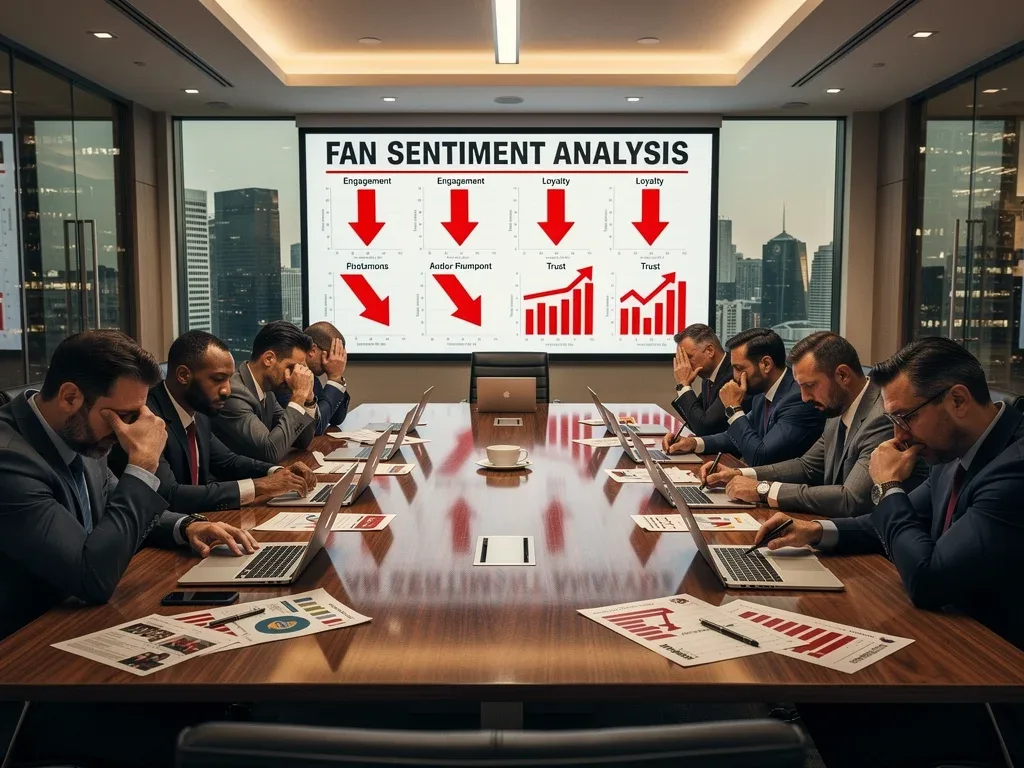
A crucial turning point came when internal market research confirmed the depth and breadth of the fan dissatisfaction. It wasn't just a vocal minority; a significant portion of their core demographic was genuinely alienated. This data provided the empirical evidence needed to convince even the most resistant executives that a change in direction was not just advisable, but absolutely necessary. The decision to engage with fan representatives, initially met with skepticism, slowly gained traction as the only viable path forward.
Internal Discussions and Challenges
- Creative Integrity vs. Fan Demands: Balancing artistic vision with audience expectations.
- Financial Risk Assessment: Quantifying potential losses from continued boycott.
- Damage Control Strategies: Developing a plan to mend relationships with the fanbase.
- Logistical Hurdles of Rewriting: Assessing the time and cost implications of a complete script overhaul.
The internal debate was undoubtedly fierce, but the undeniable power of the unified fandom, coupled with the looming financial disaster, ultimately swayed the decision-makers. The realization dawned that ignoring the fans was no longer an option; collaboration, or at least a genuine attempt at it, was the only way to save the 2026 sequel.
The Unprecedented Rewriting Process
The announcement that the franchise would indeed be rewriting its 2026 sequel was met with a mix of shock and cautious optimism from the fandom. This was an almost unheard-of concession in the entertainment industry, a testament to the immense pressure exerted by the boycott. The studio committed to a process that, while not fully transparent, promised to incorporate significant fan feedback.
The rewriting process itself was a monumental undertaking. It involved not just tweaking plot points but, in many cases, completely overhauling character arcs, narrative structures, and even foundational thematic elements. Key creative personnel, including writers and directors, had to return to the drawing board, reimagining a story that would resonate with the alienated fanbase while still maintaining artistic integrity.
Sources close to the production indicated that the new approach involved a series of consultations with fan representatives and community leaders. While these were not direct scriptwriting sessions, they provided invaluable insights into the core issues that fueled the boycott. The goal was to understand the underlying desires and concerns of the fandom and to weave those elements back into the narrative in a meaningful way.
This commitment to a full rewrite, rather than just minor edits, signaled a profound shift in how the studio viewed its audience. It acknowledged that a franchise's success is intrinsically linked to the passionate engagement of its fans, and that ignoring their collective voice can have severe, indeed franchise-altering, consequences. The fandom boycott rewrite sequel became a case study in responsive media production.
Lessons Learned: The Future of Fandom and Franchises
The resolution of this 30-day fandom boycott offers profound lessons for both entertainment franchises and their dedicated audiences. For studios, the primary takeaway is the undeniable power of an organized and passionate fanbase. Ignoring fan sentiment, especially when it reaches a critical mass, is no longer a viable strategy. Modern audiences expect to be heard, and they possess the tools and collective will to make their voices impossible to ignore.
This event highlights the increasing democratization of creative influence. While creators ultimately hold the reins, the boundary between consumer and contributor is becoming increasingly blurred. Franchises that foster genuine dialogue and demonstrate respect for their lore and characters are more likely to thrive in this new landscape.
For fandoms, this boycott serves as a powerful validation of their collective strength. It demonstrates that when organized effectively and driven by genuine concerns, fan communities can indeed influence the direction of major entertainment properties. However, it also underscores the responsibility that comes with such power – the need for clear communication, constructive criticism, and a focus on core issues rather than trivial complaints.
The fandom boycott rewrite sequel saga will undoubtedly be studied for years to come as a pivotal moment in pop culture history. It marks a new era where the relationship between creators and consumers is more dynamic, more interactive, and ultimately, more powerful than ever before. The precedent has been set: fan voices can, and will, shape the future of their favorite stories.
| Key Point | Brief Description |
|---|---|
| Boycott Trigger | Leaked plot details and controversial statements alienated core fans, leading to a unified protest against the 2026 sequel's creative direction. |
| Fan Mobilization | Digital platforms like social media and forums were used to organize a highly effective 30-day protest, amplifying the boycott's message. |
| Studio Response | Mounting economic pressure and irrefutable market data forced the studio to acknowledge fan demands and commit to a complete script rewrite. |
| Future Implications | This event sets a precedent for increased fan influence on major franchises, emphasizing the need for genuine audience engagement. |
Frequently Asked Questions About the Fandom Boycott
What specifically triggered the 30-day fandom boycott?▼The boycott was primarily triggered by leaked plot details and controversial statements from production members that contradicted established lore and misrepresented beloved characters, leading to widespread fan dissatisfaction with the sequel's creative direction.
How did fans organize such a large-scale and effective protest?▼Fans utilized social media platforms, Discord servers, and online forums to coordinate strategies, amplify their message with trending hashtags, and organize various actions like email campaigns and merchandise boycotts, demonstrating strong digital activism.
What was the main impact of the boycott on the franchise's studio?▼The main impact was significant economic pressure, including plummeting engagement metrics, decreased merchandise sales, and negative market research, ultimately forcing the studio to acknowledge the boycott's financial threat and rethink its approach.
How did the studio respond to the fan demands for a rewrite?▼After initial resistance, internal market research confirming widespread dissatisfaction, coupled with financial pressure, led the studio to commit to a complete script rewrite. They also engaged in consultations with fan representatives to guide the new creative direction.
What does this event signify for the future relationship between fandoms and franchises?▼This event signifies a new era where fandoms wield considerable power and influence over creative decisions. It underscores the importance of genuine fan engagement and respect for established lore, setting a precedent for more collaborative relationships between creators and audiences.
Conclusion
The extraordinary saga of the 30-day fandom boycott that forced a major franchise to rewrite its 2026 sequel stands as a watershed moment in the history of pop culture. It vividly illustrates the evolving power dynamics between entertainment producers and their most dedicated consumers. This event is a clear signal that modern fandoms are not passive recipients of content, but active, organized, and influential communities capable of shaping the narratives they cherish. For franchises, the lesson is stark: genuine engagement and respect for a fanbase's investment are paramount. For fans, it's a powerful affirmation of their collective voice, demonstrating that when united, they can indeed drive significant change and safeguard the integrity of their beloved stories.
