Video Game Adaptations Surpassed Comic Book Films by 28% at 2026 Box Office
Advertisements
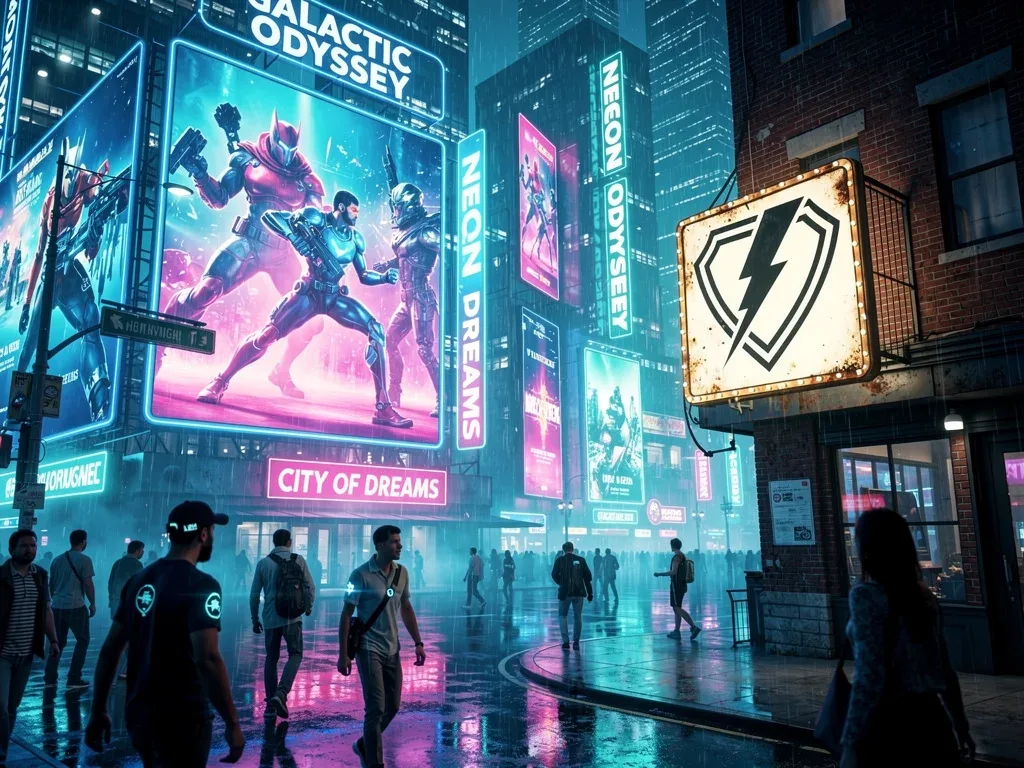
In 2026, video game adaptations achieved a historic milestone, outperforming comic book films by a remarkable 28% at the global box office, signaling a major paradigm shift in popular entertainment.
Remember when comic book movies ruled the cinematic landscape? Well, brace yourselves for a seismic shift in pop culture. In a groundbreaking turn of events, video game adaptations surpassed comic book films by 28% at the 2026 box office, ushering in a new era for entertainment.
The Unexpected Ascent of Video Game Adaptations
The entertainment industry has always been a dynamic arena, constantly evolving with audience tastes and technological advancements. For decades, comic book films held an almost unshakeable grip on the box office, delivering consistent blockbusters and expanding interconnected cinematic universes. However, the year 2026 marked a pivotal moment, as video game adaptations not only challenged this dominance but definitively surpassed it.
This isn't a sudden phenomenon; it's the culmination of years of refinement, strategic investments, and a deeper understanding of what makes a successful adaptation. Early attempts at bringing video games to the big screen were often met with critical scorn and commercial disappointment. Yet, the industry learned valuable lessons, moving past superficial translations to embrace the rich narratives and character development inherent in modern gaming.
From Niche to Mainstream: A Journey of Evolution
The journey of video game adaptations from niche curiosities to mainstream blockbusters has been fascinating to observe. It involved a significant shift in approach from studios and creators, who began to recognize the immense storytelling potential within game franchises.
- Improved Storytelling: Modern video games often feature complex plots, deep lore, and compelling characters, providing a solid foundation for cinematic narratives.
- Higher Production Values: Studios are now investing blockbuster-level budgets, ensuring adaptations look and feel as epic as their source material.
- Respect for Source Material: Creators are increasingly collaborating with game developers and treating the original games with the reverence they deserve.
- Technological Advancements: CGI and special effects have reached a point where fantastical game worlds can be rendered faithfully on screen.
The success in 2026 wasn't merely about one or two breakout hits; it represented a broader trend of consistent quality and audience engagement across multiple titles. This sustained performance demonstrated that the genre had matured, earning the trust of both critics and moviegoers.
Understanding the 28% Box Office Surge
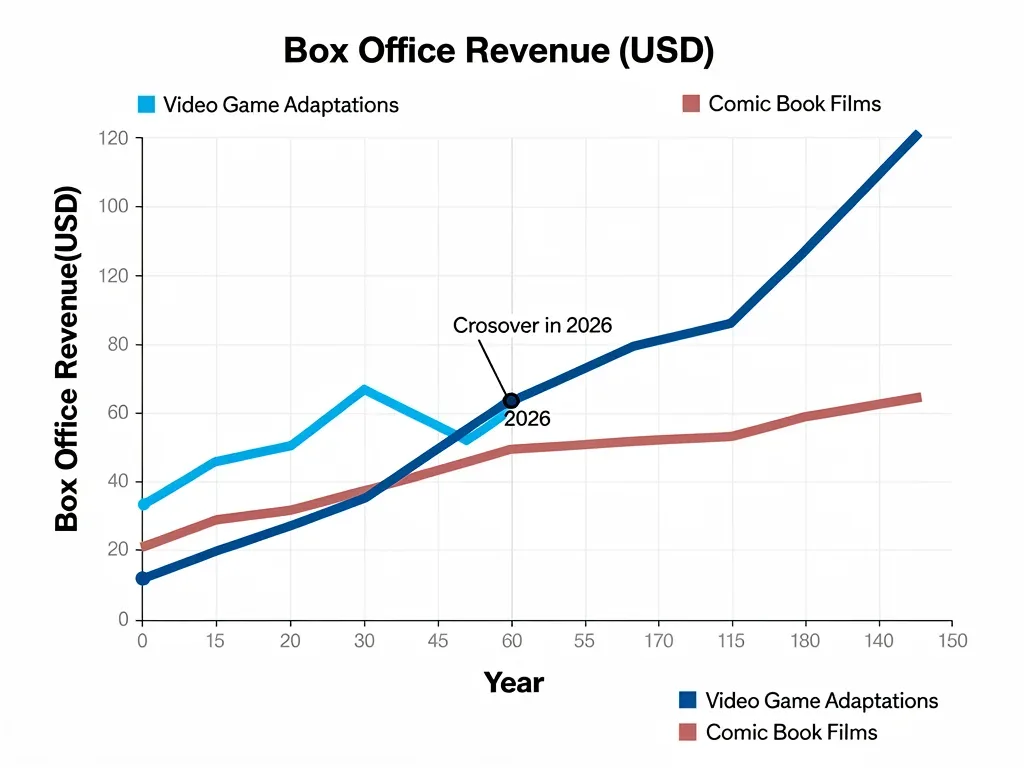
The 28% margin by which video game adaptations surpassed comic book films by 28% at the 2026 box office is not just a statistic; it's a profound indicator of shifting consumer preferences and the burgeoning power of the gaming community. This significant lead highlights several underlying factors that contributed to the genre's unprecedented success.
Firstly, the global reach of video games is undeniable. Gaming is no longer a niche hobby but a mainstream form of entertainment enjoyed by billions worldwide. This vast, pre-existing fanbase provides a built-in audience for adaptations, eager to see their favorite characters and stories brought to life on the big screen. This inherent loyalty translates directly into ticket sales, often before critical reviews even emerge.
Key Drivers Behind the Box Office Victory
Several strategic elements converged to create this box office phenomenon. Studios meticulously analyzed past failures and successes, refining their approach to adaptation.
- Authentic Fan Engagement: Marketing campaigns increasingly focused on directly engaging the gaming community, often involving game developers and voice actors.
- Diverse Storytelling: Video game narratives offer a wider range of genres and tones compared to the often superhero-centric comic book films, appealing to a broader demographic.
- Reduced Franchise Fatigue: While comic book film franchises began showing signs of fatigue, video game adaptations, still relatively fresh, offered novelty and excitement.
- Cross-Media Synergy: Successful adaptations often led to renewed interest in the original games, creating a symbiotic relationship that benefited both industries.
The financial investment from major studios also played a crucial role. Recognizing the potential, they allocated substantial budgets to production, special effects, and marketing, ensuring these films could compete directly with the biggest blockbusters in terms of spectacle and scale. This commitment signaled a serious intent to make video game movies a dominant force.
Comic Book Films: A Period of Re-evaluation
While video game adaptations surpassed comic book films by 28% at the 2026 box office, it doesn't signify the end of the comic book genre. Instead, it marks a period of necessary re-evaluation and potential reinvention. For years, comic book films enjoyed unparalleled success, often dictating the rhythm of the cinematic calendar. However, signs of saturation and formulaic storytelling began to emerge, leading to a gradual decline in critical reception and, eventually, box office numbers.
The sheer volume of comic book releases over the past decade, coupled with increasingly complex and sometimes convoluted storylines, led to a degree of audience fatigue. What once felt fresh and exciting started to feel predictable to some viewers. This doesn't mean the love for superheroes has waned, but rather that the cinematic approach to them might need a refresh.
Challenges and Opportunities for the Comic Book Genre
The challenges facing comic book films are significant, but so are the opportunities for creative resurgence. This moment can be a catalyst for innovation.
- Franchise Fatigue: Audiences grew tired of endless sequels and prequels that sometimes prioritized universe-building over compelling individual stories.
- Creative Stagnation: A perceived adherence to a successful formula led to a lack of originality in some entries, making them blend together.
- Oversaturation: The market became flooded with too many similar films, diluting the impact of each new release.
However, this inflection point also presents a chance for creators to break free from established conventions. Future comic book films might explore more diverse characters, experiment with different genres, or adopt more standalone storytelling approaches. The focus could shift from expansive universes to more intimate, character-driven narratives that resonate on a deeper level, potentially recapturing the magic that initially captivated audiences. The genre has a rich history of reinvention, and this current landscape provides the perfect impetus for its next evolution.
The Role of Fan Engagement and Digital Communities
The unprecedented success of video game adaptations surpassing comic book films by 28% at the 2026 box office cannot be fully understood without acknowledging the pivotal role of fan engagement and robust digital communities. Video game fandoms are incredibly active, passionate, and vocal, often forming tight-knit online groups that can significantly influence a project's trajectory, from development to box office performance.
Unlike traditional film marketing, which often relies on broad advertising campaigns, video game adaptations have leveraged the organic power of these communities. Developers and filmmakers have increasingly engaged directly with fans through social media, online forums, and gaming conventions, creating a sense of ownership and excitement long before a film's release. This direct communication fosters a loyal audience that feels invested in the success of the adaptation.
Mobilizing the Gaming Fandom
The mobilization of the gaming fandom is a powerful force, capable of generating immense hype and ensuring strong opening weekends. Their influence extends beyond mere ticket sales.
- Word-of-Mouth Marketing: Enthusiastic fans become powerful advocates, spreading positive buzz through their networks.
- Social Media Campaigns: Fan-driven trends and discussions on platforms like Twitch, YouTube, and X (formerly Twitter) amplify a film's visibility.
- Community Feedback: Early fan reactions, often from test screenings or trailers, can provide valuable insights for studios to fine-tune their adaptations.
- Merchandise and Ancillary Sales: A strong connection to the source material drives sales of related merchandise, further boosting overall revenue.
This symbiotic relationship between creators and fans has created a virtuous cycle: genuine respect for the source material leads to better adaptations, which in turn energizes the fanbase, leading to greater box office success. This model stands in contrast to some past comic book film strategies that, at times, seemed to take their loyal audience for granted, leading to a disconnect.
Technological Advances and Immersive Storytelling
A significant factor contributing to how video game adaptations surpassed comic book films by 28% at the 2026 box office is the rapid advancement in cinematic technology and the industry's newfound ability to translate immersive digital worlds onto the big screen. The visual fidelity and interactive nature of modern video games set a high bar, and film adaptations have finally begun to meet, and even exceed, these expectations.
The sophisticated use of CGI, motion capture, and virtual production techniques has allowed filmmakers to faithfully recreate the intricate environments, fantastical creatures, and dynamic action sequences that are hallmarks of popular video game franchises. This level of visual authenticity is crucial for satisfying a fanbase accustomed to high-definition, graphically rich gaming experiences. The technology enables a seamless transition from controller to cinema, making the film feel like a natural extension of the game world.
Pushing the Boundaries of Cinematic Experience
These technological leaps are not just about spectacle; they are about enabling a deeper form of storytelling that resonates with audiences.
- Realistic World-Building: Advanced CGI allows for the creation of believable, expansive game worlds that feel tangible on screen.
- Dynamic Action Sequences: Motion capture and pre-visualization tools enable complex, game-like action choreography that feels both exciting and true to the source.
- Character Fidelity: High-quality visual effects ensure that beloved game characters look and move as fans expect, enhancing immersion.
- Immersive Sound Design: Cutting-edge audio technology further draws audiences into the cinematic experience, mirroring the rich soundscapes of games.
Furthermore, the narrative structures of many successful video games lend themselves well to cinematic adaptation. They often feature compelling character arcs, high stakes, and a clear sense of progression, which filmmakers can leverage to craft engaging movie plots. This combination of advanced technology and strong narrative foundations has been instrumental in elevating the genre's appeal and financial performance.
The Future Landscape of Pop Culture Entertainment
The year 2026 will undoubtedly be remembered as a turning point, where video game adaptations surpassed comic book films by 28% at the 2026 box office, irrevocably reshaping the future landscape of pop culture entertainment. This shift is more than just a momentary trend; it represents a fundamental reordering of priorities within Hollywood and a clear signal of where audience interest is gravitating.
Looking ahead, we can anticipate a continued surge in video game adaptations, with studios actively seeking out popular game franchises as their next big tentpole projects. This will likely lead to even greater investment in both established and emerging gaming intellectual properties, fostering a new golden age for the genre. The competition for rights to successful games will intensify, driving up acquisition costs but also guaranteeing higher production quality.
Emerging Trends and What's Next
The implications of this shift extend beyond just box office numbers, influencing creative decisions and business strategies across the industry.
- New IP Development: Studios may increasingly commission original video games with cinematic adaptation potential in mind from the outset.
- Interactive Storytelling: We might see more experimental films that incorporate elements of interactive storytelling, blurring the lines between game and movie.
- Talent Migration: More acclaimed directors, writers, and actors will be drawn to video game adaptations, further legitimizing the genre.
- Diversification of Gaming IP: Beyond action-adventure, adaptations could explore horror, RPG, strategy, and simulation genres, offering a broader cinematic palette.
Conversely, comic book films will be compelled to innovate. This period of intense competition could spark a creative renaissance, pushing them to explore new narrative formats, delve into lesser-known characters, or adopt different stylistic approaches to regain their footing. The ultimate beneficiary will be the audience, who will be treated to a more diverse and high-quality array of adaptations from both gaming and comic book worlds. The future promises a vibrant and evolving entertainment ecosystem where both genres can thrive, albeit with video game adaptations currently holding the lead.
| Key Point | Brief Description |
|---|---|
| Box Office Shift | Video game adaptations outperformed comic book films by 28% in 2026, marking a significant industry change. |
| Driving Factors | Improved storytelling, high production values, respect for source material, and strong fan engagement fueled the success. |
| Comic Book Re-evaluation | Comic book films face saturation and fatigue, prompting a need for creative reinvention and diversification. |
| Future Outlook | Expect increased investment in game IP, innovative storytelling, and a more diverse entertainment landscape. |
Frequently Asked Questions About Pop Culture Shifts
Why did video game adaptations suddenly become so successful?▼Their success stems from a combination of factors including improved storytelling quality in games, increased studio investment, advanced visual effects, and a deeper respect for the source material, which resonates strongly with a massive, pre-existing global fanbase.
What does this mean for the future of comic book films?▼This shift indicates a need for comic book films to innovate. They may explore new narrative styles, focus on lesser-known characters, or adopt different genres to combat audience fatigue and recapture the original excitement that once defined the genre's peak.
How significant is the 28% margin at the box office?▼The 28% margin is highly significant, demonstrating a clear and substantial preference shift in audience spending. It highlights that video game adaptations are not just competing, but are now leading the charge in a major segment of the entertainment industry.
Are video game adaptations inherently better than comic book films now?▼Not necessarily. Their current success reflects a stronger connection with evolving audience tastes and more refined adaptation strategies. Quality is subjective, but the genre has undeniably elevated its game, offering compelling cinematic experiences that resonate broadly.
Will this trend continue, or is it a temporary phenomenon?▼While industry trends can fluctuate, the current trajectory suggests this is a sustained shift. The foundational elements driving video game adaptation success—massive fanbases, rich source material, and technological prowess—are robust, pointing towards continued dominance for the foreseeable future.
Conclusion
The year 2026 stands as a monumental landmark in pop culture, unequivocally demonstrating that video game adaptations surpassed comic book films by 28% at the 2026 box office. This isn't just about numbers; it's a testament to the maturation of a genre, fueled by compelling storytelling, technological innovation, and an incredibly passionate global fanbase. While comic book films face a period of introspection and necessary evolution, the ascendancy of video game adaptations signals a dynamic future for entertainment. Audiences can look forward to a richer, more diverse cinematic landscape where the immersive worlds of gaming continue to captivate and dominate the big screen, forever altering the hierarchy of blockbuster cinema.
