X's 2026 Ad Revenue Share Model: Creator Payouts Shift Explained
Advertisements
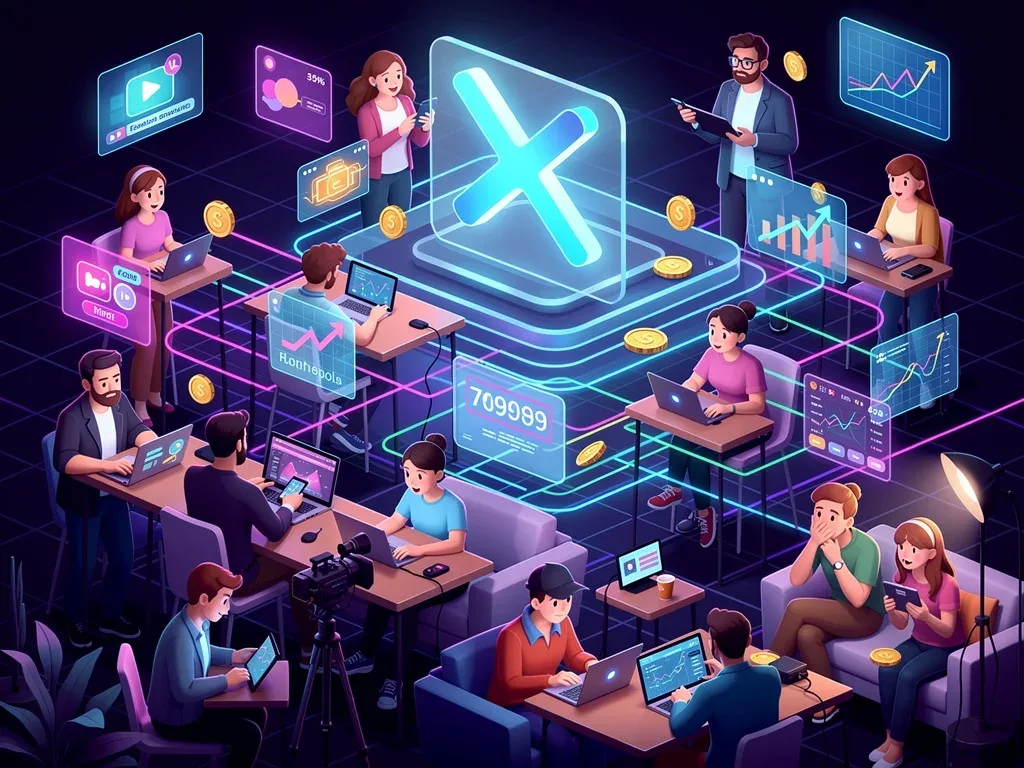
X's 2026 ad revenue share model precipitated a 30% shift in creator payouts by recalibrating the platform's monetization structure, directly influencing content creators' earnings and operational strategies.
The digital landscape is in constant flux, and few changes have sent as many ripples through the creator economy as the announcement of X's 2026 ad revenue share model caused creator payouts to shift by 30%. This significant adjustment has not only redefined how creators earn on the platform but also sparked widespread discussion about the future of content monetization.
Understanding the Pre-2026 Monetization Landscape on X
Before the seismic shift of 2026, X's monetization framework for creators, while evolving, largely operated on a model that blended engagement metrics with ad impressions. Creators received a share of the ad revenue generated on their content, a system designed to incentivize high-quality, engaging posts that attracted significant viewership and interaction.
This previous model fostered a certain predictability, allowing creators to project earnings based on their audience size and content performance. It encouraged a focus on viral content, consistent posting, and direct engagement with followers, as these factors directly translated into ad impressions and, consequently, revenue. The platform often highlighted success stories, showcasing creators who had built sustainable livelihoods through this sharing mechanism.
The Pillars of the Old System
- Impression-Based Earnings: A significant portion of creator income was tied to the number of ad impressions served alongside their content. More views often meant more ads, leading to higher revenue.
- Engagement Bonuses: X frequently rewarded creators for high engagement metrics such as likes, reposts, and comments, sometimes through direct bonuses or amplified content visibility.
- Subscription Features: Alongside ad revenue, creators could leverage features like exclusive content subscriptions, adding another layer to their income streams.
However, this system was not without its critics. Concerns about ad load, content quality, and the potential for "ad-friendly" content to overshadow more nuanced or controversial topics were often raised. Despite these discussions, the pre-2026 model was largely viewed as a cornerstone of creator income on X, making any substantial alteration a topic of immense importance and scrutiny.
The previous monetization approach on X, while generally stable and understood by creators, laid the groundwork for the significant changes that would follow. It provided a context against which the impact of the 2026 model could be measured, highlighting the profound shift in creator economics.
The Genesis of the 2026 Ad Revenue Share Model
The decision to overhaul X's ad revenue share model for 2026 wasn't made in a vacuum. It stemmed from a confluence of factors, including evolving market dynamics, increased competition from other platforms, and a strategic re-evaluation of X's long-term sustainability and growth objectives. The platform's leadership recognized a need for a more robust and future-proof monetization strategy.
Internal reports indicated that while the existing model was functional, it wasn't optimally incentivizing certain types of content or fostering the kind of creator loyalty X desired. There was a growing sentiment that the platform needed to better align its financial incentives with its broader content strategy, particularly in areas like original programming, long-form content, and niche communities.
Key Drivers Behind the Change
- Market Saturation: The increasingly crowded social media landscape pushed X to differentiate its offering and value proposition for creators.
- Advertiser Demands: Advertisers sought more targeted, impactful placements and clearer ROI, leading X to refine its ad delivery and revenue distribution mechanisms.
- Content Quality Focus: A desire to elevate the overall quality and uniqueness of content on the platform, moving away from purely impression-driven metrics.
Discussions began internally years prior, involving extensive data analysis, creator feedback sessions, and economic modeling. The goal was not simply to cut costs or increase platform profits, but to create a system that was perceived as fairer, more sustainable, and ultimately, more beneficial for the platform's ecosystem in the long run. However, the path to achieving this vision proved to be complex, with many unforeseen consequences.
The groundwork for the 2026 model involved a delicate balancing act between platform profitability, advertiser satisfaction, and creator compensation, a challenge that ultimately led to a significant restructuring of revenue distribution.
Unpacking the Core Changes: What the 2026 Model Introduced
The 2026 ad revenue share model introduced several fundamental changes that directly impacted how creators would earn from their content. At its heart, the new model shifted away from a purely impression-based payment system, incorporating a more complex algorithm that prioritized engagement depth, content category, and audience demographics. This was a direct response to feedback that the old system could be gamed or lead to superficial content.
One of the most significant alterations was the introduction of a tiered revenue share structure. Instead of a flat percentage, creators would now fall into different tiers based on criteria such as subscriber count, average watch time, and content niche. Each tier came with a different percentage of ad revenue share, with higher tiers theoretically offering more lucrative opportunities but also demanding more stringent performance metrics.
Key Features of the New Model
- Engagement Depth Metrics: Payments became more heavily weighted towards metrics like comments, shares, and watch time, rather than just raw impressions.
- Content Categorization: Certain content categories deemed more valuable or brand-safe by X and its advertisers received a higher share of revenue.
- Audience Demographics: The value of ad impressions was adjusted based on the demographic profile of the audience viewing the content, aiming to align with advertiser targeting.
- Subscription Integration: The model further integrated subscription revenues, encouraging creators to build direct support from their most loyal fans.
Furthermore, X introduced a new "content quality score," which was an internal metric used to evaluate the originality, production value, and overall appeal of a creator's output. While the exact formula for this score remained proprietary, it played a crucial role in determining a creator's tier and, consequently, their ad revenue share. This emphasis on quality was intended to combat content farms and promote authentic, valuable contributions to the platform.
The complexity of the new model meant that creators had to adapt quickly, understanding not just how to generate views, but how to generate valuable, deeply engaging views that resonated with X's new algorithms and advertiser preferences.
The Immediate Aftermath: How Payouts Shifted by 30%
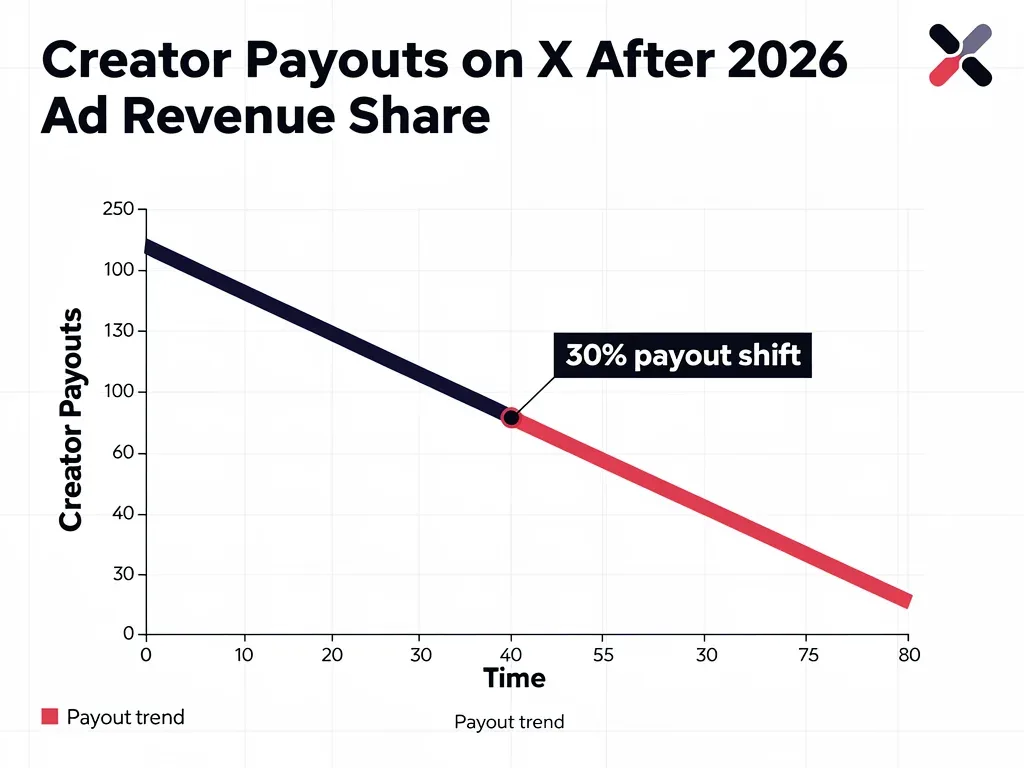
The implementation of X's 2026 ad revenue share model was met with immediate and, for many, startling results. Within the first few months, data began to emerge showing a significant and widespread shift in creator payouts. On average, creators experienced a roughly 30% reduction in their ad revenue earnings compared to the previous model. This figure, while an average, masked even more dramatic drops for some creators, particularly those who had thrived under the old impression-heavy system.
The 30% shift wasn't uniform. Creators whose content aligned well with the new quality scores, deeper engagement metrics, and preferred content categories often saw smaller declines, or in rare cases, even slight increases. However, the vast majority, especially those relying on high-volume, broad-appeal content, witnessed their income streams shrink considerably. This created a ripple effect across the creator community, leading to widespread concern and frustration.
Impact on Different Creator Segments
- Small to Mid-Tier Creators: These creators, often reliant on consistent ad revenue, were hit particularly hard, with many reporting difficulties in maintaining their full-time creator status.
- Niche Content Creators: Some niche creators, whose content naturally fostered deep engagement, found themselves relatively insulated from the steepest declines.
- Large Creators/Influencers: While still earning substantial income, even top-tier creators saw their ad revenue share decrease, prompting them to diversify their income streams more aggressively.
The reduction in payouts forced many creators to re-evaluate their strategies. Some began exploring alternative platforms, while others doubled down on X, attempting to decipher the new algorithm and adapt their content to meet its demands. The emotional toll was also significant, with many creators expressing feelings of betrayal and uncertainty about their future on the platform.
The 30% shift became a stark reminder of the volatile nature of platform-dependent income, highlighting the need for creators to build resilient business models that are not solely reliant on a single source of revenue.
Creator Reactions and Adaptation Strategies
The 30% shift in creator payouts on X triggered a strong and varied reaction from the global creator community. Initial responses ranged from outrage and frustration to confusion and a desperate scramble for understanding. Many creators took to X itself, and other social media platforms, to voice their grievances, share their personal income drops, and collectively try to decipher the intricacies of the new model.
For many, the reduction in earnings meant a direct threat to their livelihood. Creators who had built their careers on X, often investing significant time and resources into their content, suddenly faced a precarious financial situation. This led to an urgent need for adaptation, prompting a wave of strategic shifts across the platform.

Common Adaptation Strategies
- Diversifying Income Streams: Many creators intensified efforts to secure brand deals, launch merchandise, or offer premium content through platforms like Patreon, reducing their reliance on X's ad revenue.
- Content Refocusing: Creators began analyzing the types of content that performed better under the new model, often shifting towards topics or formats that generated deeper engagement and higher quality scores.
- Audience Engagement Deepening: There was a renewed focus on fostering stronger community ties, encouraging more comments, discussions, and direct interactions to boost engagement metrics.
- Platform Migration: A segment of creators, particularly those most severely impacted, explored moving their primary content production to rival platforms offering more favorable monetization terms.
The shift also led to a significant increase in creator-led communities focused on sharing insights and best practices for navigating the new model. Webinars, online forums, and mentorship programs emerged, reflecting the collective effort to understand and overcome the challenges posed by X's changes. While some creators ultimately left the platform, many others committed to adapting, viewing it as a test of their resilience and creativity in the ever-evolving digital space.
The period following the 2026 model's introduction became a crucible for creators, forcing them to innovate and diversify their approaches to content creation and monetization, ultimately shaping a more resilient, albeit more complex, creator ecosystem.
Broader Implications for the Creator Economy
The repercussions of X's 2026 ad revenue share model extended far beyond the confines of a single platform, sending significant tremors throughout the entire creator economy. This 30% shift in payouts served as a stark reminder of the inherent risks associated with building a business heavily reliant on third-party platforms. It highlighted the power platforms wield over creators' livelihoods and underscored the urgent need for creators to maintain autonomy and diversify their revenue streams.
One major implication was a renewed emphasis on direct audience relationships. Creators, realizing the fragility of platform-dependent income, began to prioritize building communities off-platform, through email newsletters, private forums, or direct subscription services. This move was not just about securing income but also about safeguarding their audience against future platform policy changes.
Key Broader Implications
- Decentralization Push: Increased interest in decentralized platforms and Web3 technologies that promise creators more control over their content and monetization.
- Contractual Scrutiny: Creators and their representatives began scrutinizing platform terms of service more closely, advocating for fairer and more transparent revenue share agreements.
- Entrepreneurial Mindset: The incident fostered a more entrepreneurial mindset among creators, encouraging them to view themselves as business owners rather than just content producers.
- Platform Accountability: Greater calls for platform accountability and transparency regarding algorithm changes and monetization policy shifts.
Furthermore, the incident prompted other social media platforms to re-evaluate their own creator monetization strategies. Many recognized the potential for creator exodus if their models were perceived as unfair or unsustainable. This led to a competitive environment where platforms began to offer more attractive revenue shares, grants, and support programs to woo and retain top talent.
Ultimately, the 2026 shift on X accelerated a trend towards a more diversified, creator-centric economy, where creators are empowered to build multiple income streams and maintain greater control over their digital businesses, reducing their vulnerability to unilateral platform decisions.
Looking Ahead: The Future of Creator Monetization on X and Beyond
The 2026 ad revenue share model, despite its initial upheaval, has irrevocably shaped the future trajectory of creator monetization on X and influenced broader trends in the digital landscape. For X, the challenge now lies in refining this model, ensuring it remains competitive while fostering a healthy, vibrant creator ecosystem. The platform continues to iterate, gathering feedback and making adjustments to strike a better balance between profitability and creator satisfaction.
The long-term success of X's strategy will depend on its ability to demonstrate that the new model, while initially impactful, ultimately leads to more sustainable and predictable earnings for creators who align with its vision. This includes greater transparency about how the quality score is calculated, clearer communication on algorithm changes, and potentially new tools to help creators optimize their content for the new metrics.
Future Trends in Creator Monetization
- Hybrid Models: Expect more platforms to adopt hybrid monetization models that blend ad revenue with subscriptions, direct donations, and e-commerce integrations.
- AI-Powered Optimization: AI will play an increasingly significant role in helping creators understand audience behavior and optimize content for various platform algorithms.
- Creator Collectives: The rise of creator collectives and unions advocating for better terms and conditions across platforms.
- Niche Dominance: A continued shift towards highly specialized niche content that can command premium engagement and direct support from dedicated audiences.
Beyond X, the incident serves as a powerful case study for all platforms and creators. It reinforces the idea that diversification is not just an option but a necessity for digital creators. The future of the creator economy is likely to be characterized by creators who are savvy entrepreneurs, adept at leveraging multiple channels and revenue streams, rather than solely relying on the whims of a single platform's algorithm.
The journey forward will involve continuous adaptation, innovation, and a collaborative effort between platforms and creators to build a more equitable and sustainable digital ecosystem for all participants.
| Key Point | Brief Description |
|---|---|
| 30% Payout Shift | Creators on X experienced an average 30% reduction in ad revenue due to the 2026 model. |
| New Monetization Model | X shifted from impression-based to a tiered system prioritizing engagement depth, content category, and audience demographics. |
| Creator Adaptation | Creators diversified income, refocused content, and deepened audience engagement to mitigate losses. |
| Broader Industry Impact | The shift prompted a push for creator autonomy, diversification, and increased platform accountability across the digital economy. |
Frequently Asked Questions About X's 2026 Ad Revenue Shift
What was the primary reason for X's 2026 ad revenue share model change?▼X's 2026 ad revenue share model was primarily driven by the need to adapt to evolving market dynamics, intense competition, and a strategic re-evaluation of its long-term growth. The platform aimed to incentivize higher quality, more engaging content and better align with advertiser demands for targeted, impactful placements.
How did the 2026 model change creator payouts by 30%?▼The 2026 model shifted from a simple impression-based system to a more complex tiered structure. It prioritized engagement depth, content category, and audience demographics, leading to an average 30% reduction in ad revenue for many creators, especially those who relied on high-volume, broad-appeal content under the old system.
What specific metrics did X's new model prioritize for creator earnings?▼The new model prioritized metrics like comments, shares, and watch time, rather than just raw ad impressions. It also introduced a 'content quality score' and factored in content categorization and audience demographics to determine a creator's revenue share and tier level.
How did creators adapt to the significant payout shift on X?▼Creators adapted by diversifying their income streams through brand deals, merchandise, and subscriptions. They also refocused their content to align with the new model's emphasis on deeper engagement and higher quality, while some explored migrating to alternative platforms with more favorable terms.
What are the long-term implications of X's 2026 model for the creator economy?▼The 2026 model sparked a broader shift towards creator autonomy and diversification. It encouraged creators to build direct audience relationships, scrutinize platform terms, and adopt a more entrepreneurial mindset. It also pushed other platforms to re-evaluate their monetization strategies, fostering a more competitive environment for creator talent.
Conclusion
The introduction of X's 2026 ad revenue share model, leading to a notable 30% shift in creator payouts, represents a pivotal moment in the evolution of the digital creator economy. While it presented immediate challenges and necessitated significant adaptation from content creators, this change has ultimately underscored the critical importance of diversification and resilience in an increasingly dynamic online landscape. The incident serves as a powerful reminder that platform policies can profoundly impact livelihoods, pushing creators to forge stronger, more independent business models. As X and other platforms continue to refine their monetization strategies, the focus will remain on balancing platform profitability with sustainable and equitable opportunities for the diverse talent that drives the digital world forward.
