5 Non-Toxic Home Swaps: Eliminate 40% Household Pollutants
Advertisements
Implementing 5 strategic non-toxic home swaps can significantly reduce common household pollutants by up to 40%, fostering a much healthier and safer living environment.
Are you aware of the invisible threats lurking within your home? Adopting non-toxic home swaps is a powerful way to eliminate a significant portion of common household pollutants, paving the way for a healthier lifestyle. Let's explore practical changes that can make a profound difference.
Understanding Indoor Air Quality and Common Pollutants
The air inside our homes can often be more polluted than the air outside, a reality many find surprising. Our living spaces, often sealed for energy efficiency, can trap a cocktail of chemicals released from everyday products and materials. This accumulation contributes to various health issues, from respiratory problems to more severe chronic conditions. Recognizing these unseen dangers is the first step toward creating a truly healthy sanctuary.
Many household items, from cleaning supplies to furniture, emit volatile organic compounds (VOCs) and other harmful substances. These pollutants can linger in the air for extended periods, constantly exposing residents. Understanding the sources and types of these pollutants empowers us to make informed decisions about what we bring into our homes and how we maintain them.
Sources of Indoor Air Pollution
- Cleaning Products: Many conventional cleaners contain ammonia, phthalates, and chlorine, which can irritate respiratory systems and skin.
- Building Materials: Formaldehyde, found in pressed wood products and insulation, is a known carcinogen.
- Personal Care Products: Fragrances and parabens in cosmetics and toiletries can contribute to indoor air pollution.
- Pesticides: Residues from pest control products can persist on surfaces and in the air, posing neurological risks.
By identifying these common culprits, we can begin to strategically replace them with safer, non-toxic alternatives. This proactive approach not only improves air quality but also reduces overall chemical exposure, fostering a more sustainable and health-conscious living environment. The impact of these small changes collectively can be substantial.
Swap 1: Ditch Chemical Cleaners for Natural Solutions
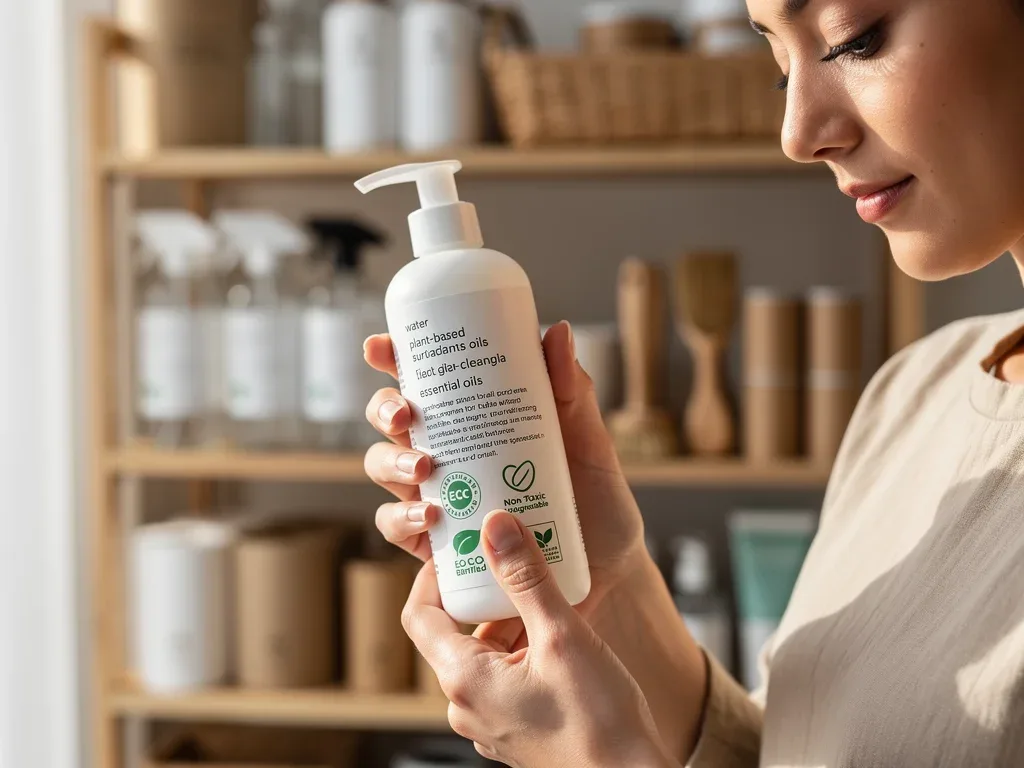
One of the most impactful non-toxic home swaps you can make involves your cleaning routine. Conventional cleaning products are often laden with harsh chemicals that contribute significantly to indoor air pollution. These substances can cause respiratory irritation, skin allergies, and even long-term health problems. Transitioning to natural cleaning solutions is surprisingly easy and highly effective.
Think about the sheer volume of different cleaners typically found in a household: bathroom cleaner, kitchen spray, glass cleaner, floor cleaner, and so on. Each of these products often contains a unique blend of chemicals. By replacing them with simple, natural ingredients, you not only reduce your chemical footprint but also simplify your cleaning arsenal.
Effective Natural Cleaning Ingredients
- White Vinegar: An excellent disinfectant and degreaser, perfect for glass, countertops, and floors.
- Baking Soda: A mild abrasive that neutralizes odors and cleans surfaces without scratching.
- Lemon Juice: A natural bleach and deodorizer, great for cutting through grease and leaving a fresh scent.
- Castile Soap: A versatile, plant-based soap that can be diluted for various cleaning tasks.
Creating your own cleaning solutions with these basic ingredients is not only cost-effective but also ensures you know exactly what's in your products. Many commercial "green" cleaners are also available, but always check their ingredient lists to ensure they are truly non-toxic and free from synthetic fragrances. Making this swap immediately reduces volatile organic compounds (VOCs) and other irritants circulating in your home, leading to noticeably fresher air and fewer allergy triggers.
Swap 2: Replace Synthetic Fragrances with Essential Oils
Synthetic fragrances are ubiquitous in modern homes, found in air fresheners, scented candles, laundry detergents, and even many personal care products. While they may smell pleasant, these artificial scents are often complex mixtures of chemicals, including phthalates and VOCs, which can be detrimental to indoor air quality and human health. Making a conscious effort to eliminate them is a critical non-toxic home swap.
Phthalates, for instance, are known endocrine disruptors, meaning they can interfere with the body's hormonal system. VOCs can cause headaches, nausea, and respiratory issues, especially in sensitive individuals or those with asthma. The cumulative effect of constant exposure to these chemicals can have significant long-term health implications, making this swap particularly important for overall well-being.
Natural Scent Alternatives
- Essential Oil Diffusers: Use pure essential oils like lavender, lemon, or peppermint for natural aromatherapy.
- Beeswax Candles: Unlike paraffin candles, beeswax candles burn cleanly and even help purify the air by releasing negative ions.
- Simmer Pots: Create natural aromas by simmering citrus peels, cinnamon sticks, and cloves on the stove.
- Fresh Flowers and Herbs: Bring nature indoors with fragrant flowers or potted herbs like rosemary and mint.
By transitioning from synthetic fragrances to natural alternatives, you eliminate a major source of indoor air pollution and create a more authentic, calming atmosphere. This swap not only improves air quality but also reduces your exposure to potential endocrine disruptors and respiratory irritants. The subtle, natural scents of essential oils or fresh botanicals can enhance your home environment without compromising your health.
Swap 3: Choose Organic and Natural Textiles
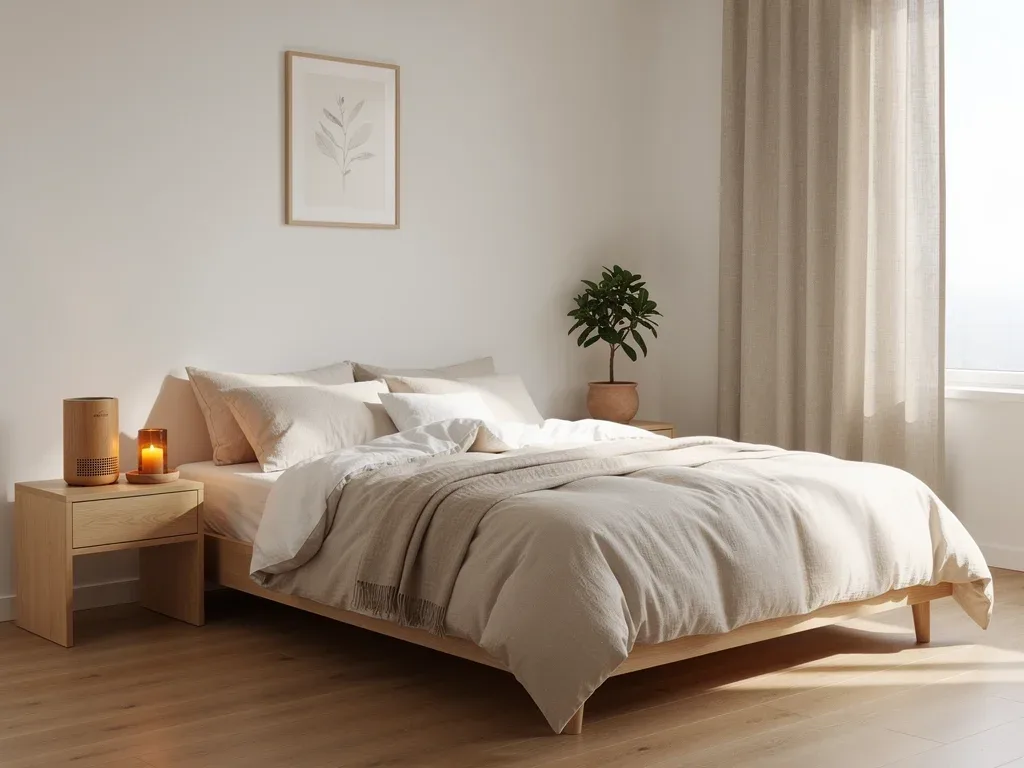
Our homes are filled with textiles, from bedding and towels to carpets and curtains. Many conventional textiles are treated with a variety of chemicals, including flame retardants, stain repellents, and dyes that can off-gas into your indoor air. Opting for organic and natural textiles is a crucial non-toxic home swap that significantly reduces chemical exposure in areas where we spend a lot of time, such as our bedrooms.
Flame retardants, for example, have been linked to developmental problems, reproductive issues, and even cancer. Stain repellents often contain per- and polyfluoroalkyl substances (PFAS), known as "forever chemicals," which are persistent in the environment and human body. These chemicals can leach from fabrics and accumulate in household dust, making them easily inhaled or ingested. Selecting untreated, natural fibers minimizes these risks substantially.
Beneficial Textile Choices
- Organic Cotton: Free from pesticides and harsh dyes, ideal for bedding, clothing, and towels.
- Linen: A durable and breathable natural fiber that requires fewer resources to produce.
- Hemp: Another sustainable and strong fiber, naturally resistant to mold and mildew.
- Wool: A natural, breathable, and flame-resistant material, excellent for rugs and blankets.
When purchasing new textiles, look for certifications like GOTS (Global Organic Textile Standard) or Oeko-Tex Standard 100, which ensure products are free from harmful substances. This swap not only benefits your health by reducing exposure to toxic chemicals but also supports more sustainable and ethical manufacturing practices. Creating a sleeping environment free of synthetic chemicals, for instance, can greatly improve sleep quality and overall well-being.
Swap 4: Upgrade Cookware to Safer Alternatives
The type of cookware you use can be a hidden source of household pollutants. Many non-stick pans are coated with per- and polyfluoroalkyl substances (PFAS), such as PFOA and PTFE, which can leach into food and release toxic fumes when heated to high temperatures. This makes upgrading your cookware a vital non-toxic home swap for anyone concerned about food safety and indoor air quality.
Exposure to PFAS has been linked to numerous health concerns, including thyroid issues, kidney disease, and certain cancers. Even if a pan is marketed as "PFOA-free," it might still contain other PFAS compounds that pose similar risks. Over time, the coatings on these pans can degrade, increasing the likelihood of chemical exposure through your food and the air you breathe while cooking.
Safer Cookware Options
- Cast Iron: Durable, naturally non-stick when seasoned, and can even add iron to your food.
- Stainless Steel: A versatile and non-reactive option, ideal for a wide range of cooking tasks.
- Ceramic (Pure): Look for 100% ceramic or ceramic-coated options that are free of PFAS and heavy metals.
- Glassware: Excellent for baking and storage, completely non-reactive and easy to clean.
Transitioning to safer cookware eliminates a significant pathway for chemical exposure in your diet and reduces the release of toxic fumes into your kitchen air. While the initial investment might be higher, the longevity and health benefits of these alternatives far outweigh the cost. This swap empowers you to cook and eat with greater peace of mind, knowing your meals are prepared in a healthier environment.
Swap 5: Improve Indoor Air Filtration and Ventilation
While eliminating sources of pollutants is crucial, sometimes external factors or residual chemicals still affect indoor air quality. Enhancing your home's air filtration and ventilation systems is a proactive non-toxic home swap that acts as a powerful defense against remaining airborne contaminants. This ensures that even the most meticulous efforts are supported by a robust air purification strategy.

Poor ventilation allows pollutants to accumulate, leading to stagnant and unhealthy air. Good ventilation, on the other hand, brings in fresh outdoor air and expels stale, contaminated indoor air. Coupled with effective filtration, this creates a dynamic system that continuously cleanses your living environment, significantly reducing the overall pollutant load.
Key Strategies for Better Air
- HEPA Air Purifiers: High-efficiency particulate air (HEPA) filters can capture up to 99.97% of airborne particles, including dust, pollen, pet dander, and mold spores.
- Activated Carbon Filters: Essential for removing VOCs, odors, and chemical fumes that HEPA filters might miss.
- Regular Ventilation: Open windows and doors daily for at least 15-30 minutes, even in colder weather, to exchange indoor air with fresh outdoor air.
- Exhaust Fans: Use kitchen and bathroom exhaust fans to remove moisture, cooking fumes, and chemical vapors at the source.
Investing in a good quality air purifier with both HEPA and activated carbon filters can make a dramatic difference, especially in bedrooms and living areas where you spend the most time. Combining this with consistent natural ventilation practices ensures a continuous flow of clean air throughout your home. This final swap creates a comprehensive shield against pollutants, complementing all other non-toxic changes you implement.
The Cumulative Impact of Non-Toxic Swaps
The journey to a healthier home doesn't have to be overwhelming. By focusing on these five key non-toxic home swaps, you can systematically reduce your exposure to a wide array of harmful chemicals. Each swap, while seemingly small on its own, contributes significantly to a larger, healthier ecosystem within your living space. The cumulative impact of these changes is a reduction of up to 40% of common household pollutants, leading to measurable improvements in air quality and overall well-being for you and your family.
It's important to approach these changes gradually, replacing items as they wear out or when you feel ready. This sustainable approach prevents waste and makes the transition more manageable. Educating yourself about product labels and ingredient lists will become second nature, empowering you to make informed choices that align with your health goals. Remember, every step towards a non-toxic home is a step towards a healthier life.
Long-Term Health Benefits
- Improved Respiratory Health: Reduced exposure to irritants can alleviate asthma and allergy symptoms.
- Better Sleep Quality: A chemical-free bedroom environment promotes deeper, more restorative sleep.
- Reduced Toxin Burden: Less exposure means less strain on your body's detoxification systems.
- Enhanced Cognitive Function: Cleaner air has been linked to better concentration and mental clarity.
Embracing these non-toxic home swaps is more than just a trend; it's an investment in your long-term health and the well-being of your loved ones. The benefits extend beyond cleaner air, encompassing a more sustainable lifestyle and a greater connection to natural, healthier living. Start small, be consistent, and enjoy the profound positive changes these swaps will bring to your home environment.
| Key Swap | Benefit & Impact |
|---|---|
| Natural Cleaners | Eliminates harsh chemicals (VOCs, ammonia), improving respiratory health and air quality. |
| Essential Oils | Replaces synthetic fragrances (phthalates, VOCs) with natural aromas, reducing endocrine disruption. |
| Organic Textiles | Avoids flame retardants and PFAS from fabrics, minimizing skin irritation and chemical exposure. |
| Safer Cookware | Removes PFAS from non-stick coatings, preventing chemical leaching into food and air. |
Frequently Asked Questions About Non-Toxic Home Swaps
What are the immediate benefits of making non-toxic home swaps?▼Immediate benefits include improved indoor air quality, reduced allergy and asthma symptoms, and a decrease in exposure to irritating chemicals. Many people report feeling a sense of calm and clarity, along with fewer headaches and respiratory discomforts, soon after making initial changes.
How can I tell if a product is truly non-toxic?▼Look for comprehensive ingredient lists and certifications from reputable third-party organizations like EWG Verified, Green Seal, or USDA Organic. Be wary of vague terms like "natural" or "eco-friendly" without supporting details. Researching specific ingredients is also key to informed choices.
Is it expensive to switch to non-toxic alternatives?▼While some initial investments might be higher (e.g., quality cookware), many non-toxic swaps like DIY cleaners using vinegar and baking soda are more affordable long-term. Consider replacing items gradually as they wear out, making the transition budget-friendly over time.
What are VOCs and why should I avoid them?▼VOCs, or Volatile Organic Compounds, are gases emitted from certain solids or liquids. They can cause short-term health effects like headaches and nausea, and long-term issues such as liver damage or cancer. Avoiding products with high VOC content significantly improves indoor air safety.
How much can these swaps reduce household pollutants?▼Implementing these five non-toxic home swaps can collectively reduce up to 40% of common household pollutants, including VOCs, phthalates, and PFAS. The exact percentage depends on your starting point and consistency, but the impact on overall air quality is substantial.
Conclusion
Embarking on the journey of making non-toxic home swaps is a powerful step towards cultivating a healthier and more sustainable living environment. By systematically addressing common sources of indoor pollution, from cleaning products and synthetic fragrances to textiles and cookware, you actively reduce your exposure to harmful chemicals. These intentional changes not only purify your air but also contribute to a greater sense of well-being, improved respiratory health, and a more conscious lifestyle. Embrace these practical shifts, and witness the transformative impact on your home and health, creating a sanctuary that truly supports your vitality.
