Mindful Hydro-Routines: Boost Morning Energy Naturally
Advertisements
A 10-minute temperature contrast shower, integrated into mindful hydro-routines, can profoundly elevate morning energy, improve circulation, and sharpen mental clarity, setting a positive tone for the day.
Are you looking for a simple yet powerful way to kickstart your day with renewed vigor? Incorporating mindful hydro-routines, specifically a 10-minute temperature contrast shower, into your morning can revolutionize your energy levels and overall well-being. This practice is more than just a shower; it’s a deliberate act of self-care that awakens both body and mind, preparing you to tackle the day with clarity and resilience.
The science behind temperature contrast showers
Temperature contrast showers, also known as Scottish showers or hot-cold therapy, involve alternating between hot and cold water during your shower. This practice has been utilized for centuries in various cultures for its therapeutic benefits. The sudden changes in temperature cause your blood vessels to rapidly constrict and dilate, creating a powerful pumping action that invigorates your circulatory system.
This vascular exercise is not just superficial; it affects your entire body. When exposed to cold water, your body's natural response is to conserve heat by constricting blood vessels, driving blood towards your core. Conversely, hot water causes vasodilation, bringing blood closer to the surface. This rapid shift acts like a mini-workout for your cardiovascular system, enhancing blood flow and oxygen delivery throughout your body.
Circulatory benefits and immune system boost
One of the most significant advantages of temperature contrast showers is their profound impact on circulation. Improved circulation means more efficient delivery of nutrients and oxygen to your cells, and better removal of metabolic waste products. This can lead to a reduction in muscle soreness, faster recovery from physical exertion, and a general feeling of lightness and vitality.
Enhanced blood flow: Rapid constriction and dilation of blood vessels improve overall circulation.
Lymphatic drainage: The pumping action helps move lymphatic fluid, aiding in detoxification.
Immune system stimulation: Studies suggest regular cold exposure can increase white blood cell count, strengthening immunity.
Reduced inflammation: Improved circulation can help reduce inflammation throughout the body.
Beyond physical benefits, the immune system also receives a significant boost. Research indicates that consistent exposure to cold water can increase the production of white blood cells, which are crucial for fighting off infections. This makes temperature contrast showers a valuable tool for staying healthy, especially during flu season. The body's adaptive response to temperature changes strengthens its natural defenses, making it more resilient.
In essence, the science supports the idea that these hydro-routines are not just a refreshing experience but a potent physiological intervention. By understanding these mechanisms, we can appreciate the depth of benefits beyond mere anecdotal evidence. The body's innate ability to adapt and thrive is harnessed, leading to a more robust and energetic state.
Integrating mindfulness into your hydro-routine
The "mindful" aspect of mindful hydro-routines is just as crucial as the "hydro." It's about bringing full awareness and intention to the showering experience, transforming it from a mundane task into a powerful practice of presence. Instead of simply going through the motions, you engage all your senses and acknowledge the sensations, making the experience deeply enriching.
Mindfulness in this context means paying attention to the feeling of the water on your skin, the temperature changes, your breath, and any thoughts or emotions that arise. It’s an opportunity to practice being fully present, which can have ripple effects throughout your entire day, enhancing focus and reducing stress.
Practical steps for a mindful shower experience
To truly integrate mindfulness, begin by setting an intention before you step into the shower. What do you hope to gain from this experience? Perhaps clarity, energy, or a sense of calm. As the water begins to flow, take a few deep breaths, grounding yourself in the moment. Feel the warmth or coolness as it touches your skin, noticing every sensation without judgment.
Set an intention: Clarify what you want to achieve (e.g., energy, clarity, relaxation).
Focus on breath: Use deep, conscious breathing to calm the mind.
Engage your senses: Notice the sound of the water, the feeling on your skin, any scents.
Observe without judgment: Acknowledge thoughts and sensations without getting carried away.
When transitioning between hot and cold, be fully present with the change. The initial shock of cold water can be intense, but instead of resisting it, observe your body's natural reaction. Breathe into the discomfort, allowing it to pass. This practice builds mental resilience and teaches you to navigate challenging sensations with greater ease, a skill transferable to daily life.
By consciously engaging with the experience, you elevate it beyond a simple cleansing ritual. It becomes a meditation in motion, a moment to connect with your body and mind, fostering a sense of gratitude and self-awareness. This mindful approach amplifies the physiological benefits, making the entire routine more effective and enjoyable.
The 10-minute temperature contrast shower protocol
Implementing a 10-minute temperature contrast shower effectively requires a structured approach. This isn't about enduring extreme discomfort, but rather about creating a beneficial physiological response. The key is gradual progression and listening to your body, ensuring the experience is invigorating rather than overwhelming.
A typical sequence involves starting with warm or hot water to relax your muscles and open pores, then switching to cold water for a shorter duration, and repeating this cycle. The exact timing and number of cycles can be adjusted based on your comfort level and experience. Consistency is more important than intensity, especially when starting out.
Step-by-step guide to your morning energy boost
Begin by showering with comfortably warm water for 2-3 minutes. This allows your body to relax and adjust. Focus on deep breathing during this phase. Once you feel warmed up, switch the water to cold. The cold should be genuinely cold, but not so frigid that it causes panic. Aim for a temperature that feels bracing and invigorating.
Stay under the cold water for 30-60 seconds. During this time, continue to breathe deeply and focus on the sensation. You might find it helpful to count to yourself or repeat a mantra. After the cold interval, switch back to warm water for 2-3 minutes. Allow your body to re-warm and relax before repeating the cold cycle.
Warm start: 2-3 minutes of comfortable warm water to prepare the body.
Cold burst: 30-60 seconds of cold water, focusing on deep breaths.
Warm recovery: 2-3 minutes of warm water to re-warm and relax.
Repeat: Cycle between cold and warm 2-3 times, ending with cold.
Repeat this hot-cold cycle 2-3 times, always aiming to end with a cold burst. Ending with cold water helps to close pores, invigorate the skin, and leave you feeling refreshed and alert. As you become more accustomed to the routine, you can gradually increase the duration of the cold exposure or the number of cycles. The entire process should ideally take around 10 minutes.
Remember, consistency is key to reaping the full benefits. Don't get discouraged if the cold feels too intense initially. Your body will adapt over time, and you'll begin to crave that invigorating cold sensation. This structured approach ensures you get the most out of your mindful hydro-routine for sustained morning energy.
Beyond energy: holistic benefits for mind and body
While enhanced morning energy is a primary draw, the benefits of mindful hydro-routines extend far beyond a simple jolt of wakefulness. This practice fosters a holistic improvement in well-being, touching upon mental clarity, emotional regulation, and even physical appearance. It's a comprehensive approach to self-care that nurtures both the inner and outer self.
The discipline required to embrace the cold water builds mental fortitude and resilience. Each time you consciously choose to face the cold, you are strengthening your willpower and teaching your mind to overcome discomfort. This mental training can translate into greater perseverance in other areas of your life, making you more adept at handling challenges.
Mental clarity, mood, and skin health
The immediate effect of cold water on the brain is profound. It stimulates the release of norepinephrine, a neurotransmitter that plays a crucial role in vigilance, focus, and mood. This surge of norepinephrine can significantly improve mental clarity, helping you feel sharper and more focused throughout your morning.
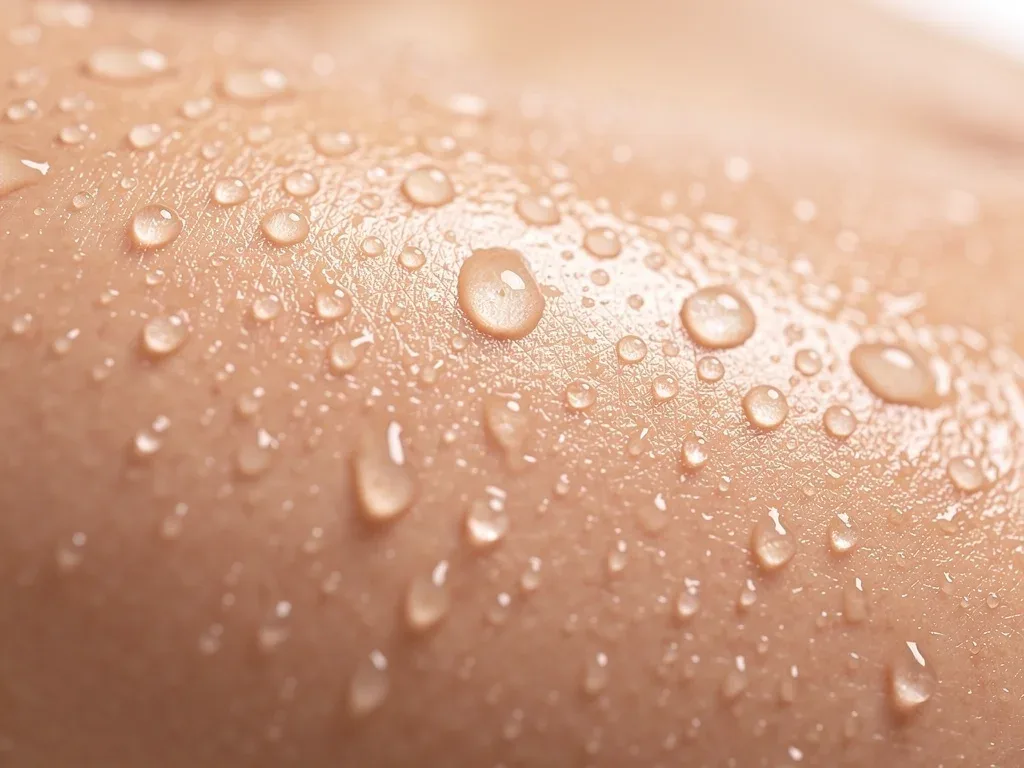
Improved focus: Norepinephrine release enhances concentration and alertness.
Mood elevation: Cold exposure can reduce symptoms of depression and anxiety.
Stress reduction: Regular practice helps the body adapt to stress, lowering cortisol levels.
Healthier skin and hair: Cold water tightens pores and cuticles, locking in moisture.
Beyond focus, cold exposure is also known to have mood-boosting effects. The release of endorphins, often referred to as natural painkillers, contributes to feelings of euphoria and well-being. Regular practice has been linked to a reduction in symptoms of depression and anxiety, offering a natural and accessible way to support mental health.
Physically, your skin and hair also benefit. Cold water helps to close pores and tighten cuticles, which can lead to healthier, shinier hair and more radiant skin. Unlike hot water, which can strip natural oils, cold water helps to preserve them, maintaining your skin's natural moisture barrier. This contributes to a more youthful and vibrant appearance, making you feel good from the inside out.
Ultimately, this routine becomes a cornerstone of a well-rounded wellness strategy. It's a small investment of time that yields significant returns across multiple dimensions of your health, proving that sometimes, the simplest practices can have the most profound impact.
Common challenges and how to overcome them
Embarking on a new routine, especially one that involves stepping out of your comfort zone, can present its own set of challenges. The initial shock of cold water is often the biggest hurdle for many. However, with the right mindset and strategies, these challenges can be easily overcome, allowing you to fully embrace the benefits of mindful hydro-routines.
It's important to remember that adaptation is a gradual process. No one expects you to jump straight into an ice-cold shower on day one. Be patient with yourself and celebrate small victories. Every step you take towards incorporating this routine is a step towards greater well-being.
Tips for a smoother transition to cold water exposure
Start gradually. Instead of immediately going for the coldest setting, begin by lowering the water temperature slightly at the end of your regular warm shower. As your body acclimatizes, you can progressively decrease the temperature and increase the duration of cold exposure. This gentle approach helps to desensitize your body to the cold, making the transition less jarring.
Breathing techniques are also incredibly helpful. When the cold water hits, your natural instinct might be to gasp or hold your breath. Instead, focus on slow, deep exhalations. This helps to activate your parasympathetic nervous system, promoting a sense of calm and reducing the fight-or-flight response. Visualize yourself breathing out the discomfort and breathing in invigorating energy.
Gradual temperature reduction: Slowly decrease the water temperature over several days or weeks.
Deep breathing exercises: Focus on slow, controlled exhales to manage the initial shock.
Positive self-talk: Remind yourself of the benefits and your ability to adapt.
Short bursts initially: Start with 10-15 seconds of cold and gradually increase.
Another effective strategy is to use positive self-talk. Remind yourself why you're doing this and the incredible benefits you'll gain. Frame the cold as a challenge you are capable of overcoming, rather than an ordeal to be endured. You might even find it helpful to play upbeat music to distract and motivate yourself during the cold segments.
Finally, consistency is paramount. Even if you only manage a brief cold burst, doing it regularly will build resilience and make the process easier over time. Don't skip days; even a minute of cold exposure is better than none. Overcoming these initial challenges will not only make your hydro-routine more enjoyable but will also boost your confidence and discipline in other aspects of your life.
Making it a sustainable daily practice
The true power of mindful hydro-routines lies in their sustainability as a daily practice. It's not about a one-off experiment, but about integrating this invigorating ritual into the fabric of your everyday life. Consistency transforms a novel experience into a deeply ingrained habit that yields continuous benefits, ensuring you start each day feeling your best.
To make it sustainable, the routine needs to feel manageable and enjoyable, not like a chore. This involves finding your optimal balance of hot and cold, and integrating it seamlessly into your existing morning schedule. Small adjustments can make a big difference in ensuring long-term adherence.
Tips for long-term adherence and enjoyment
One key tip is to personalize your routine. While the 10-minute guideline is a great starting point, feel free to adjust the timings and number of cycles to suit your body's response and your daily schedule. Some days you might opt for a longer cold exposure, while on others, a shorter burst might be all you need. The goal is to feel energized, not depleted.
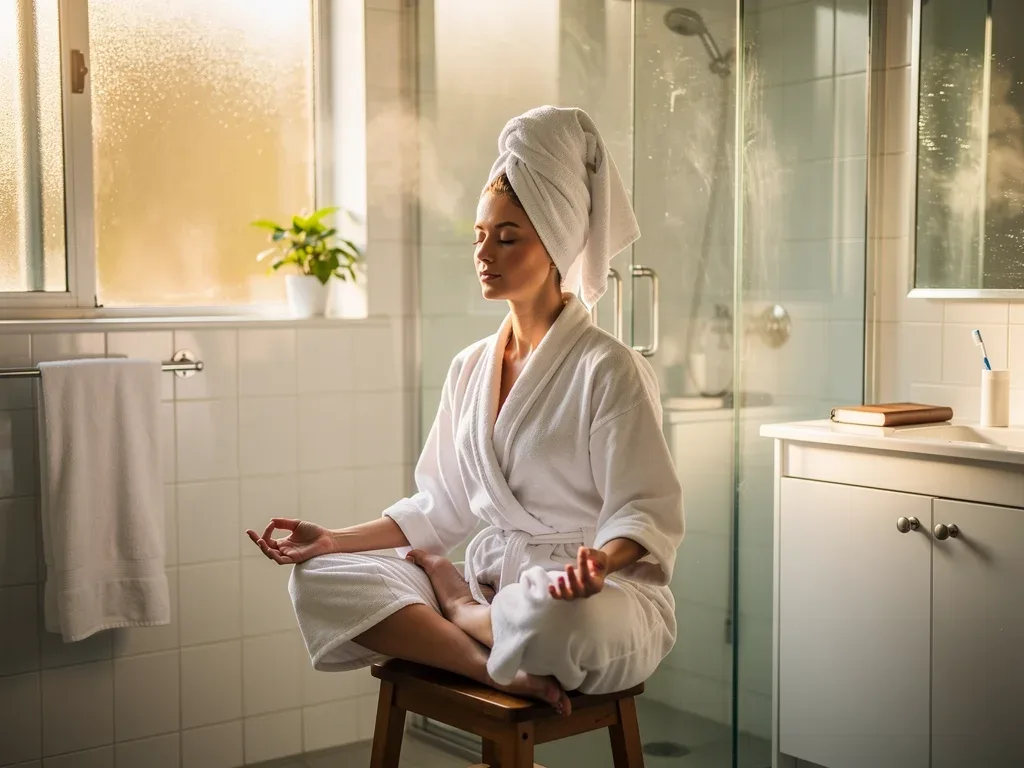
Personalize your routine: Adjust hot/cold durations to suit your comfort and needs.
Track your progress: Notice improvements in energy, mood, and resilience.
Combine with other habits: Pair it with meditation, stretching, or journaling.
Educate yourself: Learn more about hydrotherapy benefits to stay motivated.
Consider pairing your mindful hydro-routine with other positive morning habits. For instance, immediately after your shower, you might engage in a short meditation, some light stretching, or journaling. This creates a powerful sequence of self-care rituals that reinforce each other, making the entire morning routine more appealing and effective.
Tracking your progress can also be highly motivating. Pay attention to how you feel before and after the shower, and how your energy levels and mood evolve throughout the day. Notice improvements in your skin, your mental clarity, or your ability to handle stress. Acknowledging these positive changes reinforces the value of the practice and encourages continued engagement.
By viewing this routine as an act of self-love and a powerful tool for well-being, rather than a mere obligation, you transform it into a sustainable and deeply rewarding part of your daily life. It becomes a non-negotiable moment of self-connection that sets the tone for a vibrant and productive day.
Understanding the safety and precautions
While mindful hydro-routines offer a plethora of benefits, it's crucial to approach them with an understanding of safety and necessary precautions. Not everyone may be suited for immediate or intense cold exposure, and certain health conditions warrant caution or prior consultation with a healthcare professional. Prioritizing your well-being means being informed and listening to your body's signals.
The goal is to invigorate, not to shock your system to an unsafe degree. Gradual introduction and mindful awareness of your body's response are key. Pushing too hard, too fast, can be counterproductive and potentially harmful, particularly for individuals with pre-existing health concerns.
Who should exercise caution and when to consult a doctor
Individuals with certain cardiovascular conditions, such as heart disease or high blood pressure, should be particularly cautious. The rapid constriction and dilation of blood vessels can put extra strain on the heart, which might be risky for those with compromised cardiac function. Similarly, people with Raynaud's disease, where blood vessels in the fingers and toes overreact to cold, should avoid cold exposure.
Cardiovascular conditions: Heart disease, high blood pressure, or arrhythmias.
Raynaud's disease: Cold exposure can trigger painful spasms.
Diabetes: Impaired circulation or nerve damage can make cold therapy risky.
Pregnancy: Consult a doctor due to potential impacts on circulation.
Open wounds or infections: Avoid to prevent complications.
Diabetics, especially those with circulatory issues or nerve damage, should also consult their doctor before starting. Pregnancy is another condition where medical advice is recommended, as significant temperature changes can influence blood flow. If you have any open wounds, skin infections, or are feeling unwell, it's best to postpone the contrast shower until you've recovered.
Always start with milder temperature contrasts and shorter durations, gradually increasing as your body adapts. If you experience any dizziness, extreme discomfort, chest pain, or shortness of breath, immediately stop the shower and seek medical advice. Your health and safety are paramount, and a mindful approach includes respecting your body's limits and seeking professional guidance when in doubt.
By being aware of these precautions, you can safely integrate mindful hydro-routines into your lifestyle, maximizing the benefits while minimizing any potential risks. It's about empowering yourself with knowledge and making informed decisions for your health.
Key Aspect | Brief Description |
|---|---|
Core Practice | Alternating hot and cold water for 10 minutes to invigorate the body. |
Key Benefits | Enhanced morning energy, improved circulation, mental clarity, mood boost, and immune support. |
Mindful Approach | Engaging all senses and focusing on breath during temperature changes to build resilience. |
Precautions | Consult a doctor if you have heart conditions, diabetes, or are pregnant; start gradually. |
Frequently asked questions about mindful hydro-routines
What exactly is a temperature contrast shower?▼
A temperature contrast shower involves alternating between hot and cold water during your shower. This practice stimulates circulation, invigorates the body, and can enhance alertness and overall well-being. It's a method used to boost energy and improve physiological responses.
How long should each hot and cold cycle last?▼
Typically, start with 2-3 minutes of warm water, followed by 30-60 seconds of cold water. Repeat this cycle 2-3 times, always aiming to end with a cold burst. Adjust durations based on your comfort and how your body responds to the temperature changes.
What are the main benefits of this routine?▼
The primary benefits include a significant boost in morning energy, improved blood circulation, enhanced mental clarity and focus, mood elevation due to endorphin release, and stimulation of the immune system. It also promotes healthier skin and hair.
Is this routine suitable for everyone?▼
While beneficial for many, individuals with certain health conditions like heart disease, high blood pressure, diabetes, or Raynaud's disease should consult a doctor before starting. Pregnant individuals should also seek medical advice to ensure safety.
How can I make this a sustainable daily habit?▼
Start gradually, personalize the routine to your preferences, and combine it with other positive morning habits like meditation or stretching. Tracking your progress and reminding yourself of the benefits can also help maintain motivation and consistency over time.
Conclusion
Embracing mindful hydro-routines, particularly the 10-minute temperature contrast shower, offers a remarkably accessible and effective pathway to enhanced morning energy and holistic well-being. This practice transcends a simple physical cleanse, evolving into a potent ritual that sharpens the mind, invigorates the body, and cultivates resilience. By consciously navigating the shifts between hot and cold, you not only stimulate your circulatory and immune systems but also fortify your mental fortitude, equipping you to face the day with renewed clarity and vitality. As with any wellness practice, consistency and mindful attention to your body's signals are paramount, transforming this simple act into a powerful foundation for a more energized and balanced life.
