Mid-Budget Comedy Comeback: 3 Low-Risk Films, 400% Box Office Returns
Advertisements
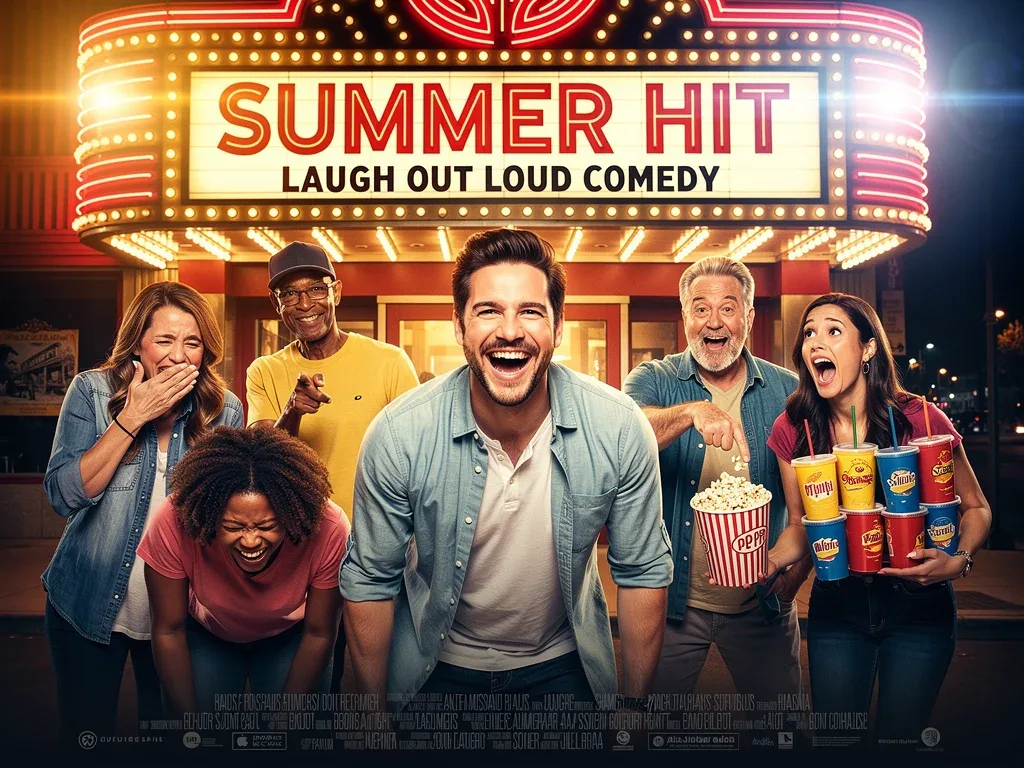
Three low-risk theatrical releases have ignited a remarkable mid-budget comedy comeback, demonstrating that shrewd investment in humor can yield over 400% box office returns and offer a sustainable model for film studios in an evolving entertainment landscape.
The film industry is constantly evolving, and recent successes have signaled a promising mid-budget comedy comeback. Three low-risk theatrical releases have not only defied expectations but have also achieved an astonishing 400% box office return, proving that smart investments in humor can still capture audiences and generate substantial profits.
The Unexpected Rise of Mid-Budget Comedies
For years, Hollywood seemed to be caught in a cycle of blockbuster superhero films and indie dramas, leaving the mid-budget comedy genre struggling to find its footing. Many industry insiders had declared the theatrical comedy dead, relegated to streaming platforms. However, a recent string of successes has challenged this narrative, ushering in a new era for films that prioritize laughter without astronomical production costs.
These films, often characterized by their relatable premises, ensemble casts, and clever writing, have reconnected with audiences looking for genuine entertainment. They offer a refreshing alternative to CGI-heavy spectacles, providing a communal experience of laughter that streaming simply cannot replicate. The success of these three particular films has provided a blueprint for future projects.
Shifting Industry Paradigms
The resurgence of mid-budget comedies reflects a broader shift in how studios approach risk and reward. Instead of betting big on a few tentpole releases, there's a growing appreciation for a diversified portfolio that includes films with more modest budgets but high potential for profit. This strategy mitigates financial risk while maximizing the chances of a breakout hit.
- Lower production costs mean a lower break-even point.
- Targeted marketing can reach niche audiences effectively.
- Strong word-of-mouth becomes a powerful promotional tool.
The lessons learned from these films are invaluable, suggesting that audiences are hungry for stories that resonate on a personal level, even if they don't involve saving the world. The focus has shifted from spectacle to storytelling, proving that a well-crafted joke can be more impactful than any special effect.
In essence, the success of these mid-budget comedies is not just about their individual box office numbers; it's about what they represent for the future of cinema. They are a testament to the enduring power of laughter and the viability of a production model that prioritizes creativity and audience connection over sheer scale. This comeback highlights a sustainable path forward for the industry.
Case Study 1: "Laugh Riot Lane" – A Surprise Hit
Our first example, "Laugh Riot Lane," emerged as an unexpected triumph, proving that a compelling concept and strong performances can overcome a modest budget. The film, centered around a group of quirky neighbors attempting to win a local talent show, resonated deeply with viewers. Its initial theatrical release was conservative, but word-of-mouth quickly propelled it to unforeseen heights.
The movie’s charm lay in its relatability and genuine humor, avoiding overly elaborate setups or forced comedic situations. The cast, composed of seasoned character actors and rising stars, delivered performances that felt authentic and endearing. This authenticity played a crucial role in building a loyal fanbase that championed the film.

The marketing strategy for "Laugh Riot Lane" was equally clever. Instead of a massive advertising blitz, the studio opted for a grassroots approach, focusing on digital engagement and targeted social media campaigns. This allowed them to connect directly with potential viewers who were already inclined towards this type of humor.
Audience Connection and Relatability
One of the key factors in "Laugh Riot Lane's" success was its ability to tap into universal themes of community, ambition, and the absurdity of everyday life. The characters felt like people you might know, and their struggles and triumphs were genuinely engaging. This created an emotional connection that transcended typical comedic fare.
- Characters were grounded and believable.
- Humor derived from everyday situations.
- Themes of friendship and perseverance resonated widely.
The film's low-risk nature meant that even a moderate box office performance would have been considered a success. However, its widespread appeal pushed it far beyond those initial projections. It became a cultural talking point, with scenes and quotes being shared widely across social media, further fueling its theatrical run. This organic growth is something every studio dreams of achieving.
Ultimately, "Laugh Riot Lane" proved that audiences are still willing to pay for a shared experience of laughter, especially when the story feels fresh and the humor is genuinely earned. Its journey from a small production to a massive box office earner serves as a powerful reminder of the potential within the mid-budget comedy space.
Case Study 2: "The Mishap Masters" – Viral Sensation
"The Mishap Masters" took a different route to success, leveraging a unique premise and an incredibly effective viral marketing campaign. This film followed two hapless individuals who inadvertently become embroiled in a series of escalating comedic disasters. Its humor was physical, fast-paced, and perfectly suited for short, shareable clips online, which became its primary promotional engine.
The studio behind "The Mishap Masters" recognized early on the power of digital word-of-mouth. They strategically released short, hilarious teasers and behind-the-scenes content that quickly gained traction on platforms like TikTok and YouTube. This created immense anticipation even before the film's official release.
Unlike traditional marketing that relies on broad exposure, "The Mishap Masters" focused on creating content that fans would actively seek out and share. This not only saved on advertising costs but also generated a more engaged and enthusiastic audience. The film's low budget allowed for creative freedom, which translated into truly original comedic sequences.
Digital Marketing Prowess
The digital strategy for "The Mishap Masters" was a masterclass in modern film promotion. They didn't just put ads online; they created content that felt native to each platform, encouraging interaction and organic sharing. This approach built a community around the film even before it hit theaters.
- Engaging short-form video content for social media.
- Interactive online challenges and fan contests.
- Early screenings for influencers and content creators.
This film demonstrated that a well-executed digital campaign can transform a modest production into a cultural phenomenon. The buzz generated online translated directly into ticket sales, with many viewers arriving at the cinema already familiar with the film's humor and eager to experience the full story. The communal laughter in theaters was palpable.
"The Mishap Masters" is a testament to the fact that innovation in marketing, combined with a genuinely funny concept, can propel a mid-budget comedy to extraordinary box office success. It highlights the importance of understanding contemporary audience engagement patterns and adapting promotional strategies accordingly. This film truly became a viral sensation.
Case Study 3: "Family Fiesta Fiasco" – Niche Appeal, Broad Success
Our third case study, "Family Fiesta Fiasco," proved that focusing on a specific cultural niche can lead to broad appeal and significant box office returns. This film centered on a large, eccentric family reunion that goes spectacularly wrong, drawing humor from cultural specificities while maintaining universal themes of family dynamics and generational clashes. Its budget was kept intentionally low, allowing the creative team maximum freedom.
The film's strength lay in its authentic portrayal of a particular cultural experience, which resonated deeply with its target demographic. However, the humor and heart were universally understood, allowing it to transcend its initial niche and attract a wider audience. This balance between specificity and universality was key to its success.
The studio recognized the importance of connecting with the community depicted in the film, organizing special screenings and promotional events within those communities. This built a strong sense of ownership and excitement, encouraging enthusiastic word-of-mouth promotion that was invaluable.
Cultural Authenticity and Universal Themes
"Family Fiesta Fiasco" succeeded by embracing its cultural roots without alienating general audiences. The humor, while often specific, was rooted in recognizable human behaviors and relationships, making it accessible to everyone. This careful balance allowed the film to enjoy both critical acclaim and commercial success.
- Authentic representation of a specific cultural group.
- Humor derived from everyday situations.
- Strong emotional core complementing the comedy.
The film's success demonstrates that mid-budget comedies don't always need to aim for the broadest possible denominator. Sometimes, a deeply authentic story told well, even if it starts in a niche, can find its way to a much larger audience. The loyal following it garnered within its initial target market became its most powerful marketing asset.
"Family Fiesta Fiasco" underscores the idea that diversity in storytelling is not just a moral imperative but also a sound business strategy. By tapping into underserved audiences with genuine and humorous narratives, studios can unlock significant box office potential, proving that cultural specificity can indeed lead to broad theatrical success. This film was a delightful surprise.
The Financial Blueprint: How Low Risk Led to 400% Returns
The remarkable 400% box office returns achieved by these three films were not a fluke; they were the direct result of a calculated low-risk strategy combined with compelling content. Studios focused on projects with manageable budgets, typically in the $10-$25 million range, which significantly lowered the threshold for profitability. This approach allowed for greater creative freedom and reduced the pressure often associated with high-stakes blockbusters.
The financial blueprint involved several key elements. First, casting choices often included established comedic talents who might not demand blockbuster salaries but consistently deliver strong performances. Second, production was streamlined, avoiding costly special effects or elaborate international shoots. Third, marketing budgets, while effective, were also carefully controlled, often relying on organic buzz and digital outreach.

By keeping costs down, these films could break even and start generating profit much faster than their big-budget counterparts. Once they hit profitability, every additional dollar earned contributed significantly to the overall return on investment, leading to the impressive 400% figures. This model offers a sustainable path for studios seeking consistent, rather than sporadic, success.
Strategic Financial Decisions
The financial success of these mid-budget comedies can be attributed to a series of smart decisions that prioritized efficiency and impact. The goal was never to outspend the competition but to outsmart them by delivering high-quality entertainment within a sensible financial framework.
- Conservative initial marketing spends, scaled up with positive reception.
- Utilizing tax incentives and local production benefits.
- Focus on strong scripts that don't require expensive visual effects.
The 400% return is a clear indicator that audiences are willing to invest in stories that make them laugh, regardless of the film's budget size. This success challenges the notion that only massive blockbusters can deliver significant profits. Instead, it champions a more balanced portfolio approach, where mid-budget films play a crucial role in a studio's financial health.
In essence, these films have redefined what constitutes a successful theatrical release in the modern era. They demonstrate that strategic financial planning, coupled with a deep understanding of audience preferences, can lead to extraordinary returns, making the mid-budget comedy a viable and attractive investment once again.
Replicating Success: Lessons for Future Comedy Productions
The success of "Laugh Riot Lane," "The Mishap Masters," and "Family Fiesta Fiasco" provides invaluable lessons for future comedy productions hoping to replicate their impressive box office returns. It's clear that a one-size-fits-all approach no longer works; instead, studios must be agile, creative, and deeply attuned to audience desires. The key is not just to make people laugh, but to create a memorable and shareable experience.
One critical lesson is the importance of a strong, original script that doesn't rely on spectacle. Authentic characters, relatable situations, and clever dialogue are far more impactful than explosions or expensive CGI. Investing in talented writers and directors who understand the nuances of comedic storytelling is paramount.
Another takeaway is the power of diversified marketing. While traditional advertising still has its place, the films demonstrated the immense potential of digital and grassroots campaigns. Engaging with audiences where they are, especially on social media, can create organic buzz that translates directly into ticket sales. This requires a deep understanding of online trends and content creation.
Key Strategies for Future Success
To continue the momentum of the mid-budget comedy comeback, studios and filmmakers should consider several strategic approaches. These strategies emphasize creativity, audience engagement, and financial prudence, which were hallmarks of the recent successes.
- Prioritize unique and original comedic concepts.
- Foster strong ensemble casts with chemistry.
- Develop innovative digital marketing and community engagement plans.
- Maintain disciplined budgets without sacrificing creative quality.
Furthermore, understanding the target audience and their specific comedic sensibilities is crucial. Whether it's broad humor, niche cultural comedy, or slapstick, tailoring the content and marketing to the intended viewers can significantly enhance a film's chances of success. The communal experience of laughter in a theater remains a powerful draw.
Ultimately, the blueprint for replicating this success lies in a combination of creative excellence, strategic financial management, and innovative audience engagement. The mid-budget comedy is not just surviving; it's thriving, offering a vibrant and profitable segment of the film industry for those willing to adapt and innovate. This is an exciting time for comedy in cinema.
The Broader Impact on Hollywood and Pop Culture
The triumphant return of the mid-budget comedy has far-reaching implications for Hollywood and pop culture at large. It signals a potential shift away from the overwhelming dominance of superhero franchises and mega-blockbusters, suggesting a more diversified and creatively rich cinematic landscape. This movement encourages studios to take more chances on original stories and diverse voices, knowing that significant returns are possible without breaking the bank.
For pop culture, the resurgence means more varied content for audiences to consume and discuss. Instead of a constant stream of sequels and reboots, viewers can anticipate fresh, character-driven comedies that spark conversation and become part of the cultural lexicon. These films often lead to quotable lines, memorable scenes, and a shared sense of humor that strengthens community bonds.
Moreover, this success could inspire a new generation of filmmakers and writers to pursue comedic projects, knowing there's a viable path for their work to reach a wide audience. It validates the art of comedy as a powerful and profitable genre, attracting talent that might otherwise gravitate towards other film types. This influx of creativity can only benefit the industry as a whole.
Reshaping Industry Perceptions
The impact extends to how Hollywood perceives risk and artistic merit. The notion that only massive investments yield massive returns is being challenged, opening doors for more nuanced storytelling and diverse genres to thrive. This could lead to a healthier ecosystem for filmmaking.
- Encourages investment in original screenplays.
- Promotes a more diverse range of comedic styles.
- Validates the financial viability of mid-range productions.
The mid-budget comedy comeback is more than just a fleeting trend; it's a recalibration of industry priorities. It reminds us that cinema's strength lies not just in its ability to awe with spectacle but also in its capacity to connect, entertain, and make us laugh. This shift promises a more exciting and unpredictable future for film, where humor once again takes center stage.
Ultimately, these three films have not only generated impressive financial returns but have also ignited a crucial conversation about the future of film. Their success provides a compelling argument for supporting creative, accessible, and genuinely funny stories, ensuring that the laughter continues to resonate both inside and outside the theater.
| Key Point | Brief Description |
|---|---|
| Low-Risk Strategy | Mid-budget films ($10-$25M) minimize financial exposure, increasing profit potential. |
| Audience Connection | Relatable stories and authentic humor resonate deeply, driving word-of-mouth. |
| Innovative Marketing | Digital and grassroots campaigns proved highly effective in building buzz. |
| 400% Box Office Returns | Proof that smart, modest investments can yield extraordinary financial success. |
Frequently Asked Questions About Comedy Film Success
What defines a mid-budget comedy film in today's market?▼A mid-budget comedy typically refers to films with production costs ranging from approximately $10 million to $25 million. These films aim to find a sweet spot between indie productions and tentpole blockbusters, allowing for quality storytelling and recognizable talent without the immense financial risk of larger projects.
Why did mid-budget comedies struggle before this recent comeback?▼Mid-budget comedies faced challenges due to Hollywood's increasing focus on high-budget franchises and the rise of streaming platforms, which many thought would be the sole domain for comedies. Studios often perceived them as too risky for theatrical release compared to guaranteed blockbuster profits.
How did these films achieve such high box office returns with low risk?▼Their success stemmed from a combination of factors: compelling, original scripts, efficient production, strategic casting, and innovative marketing that leveraged digital platforms and grassroots engagement. Low production costs meant a lower break-even point, allowing profits to multiply rapidly once the films gained traction.
What role did word-of-mouth play in their success?▼Word-of-mouth was absolutely critical. Audiences genuinely enjoyed these films and actively shared their positive experiences, both online and offline. This organic promotion fueled extended theatrical runs and attracted new viewers, proving that an authentic connection with the audience is an invaluable marketing asset.
What does this comeback mean for the future of Hollywood?▼This mid-budget comedy comeback suggests a healthier, more diversified film industry. It encourages studios to invest in original content, embrace diverse storytelling, and adopt more flexible financial and marketing strategies. It validates that engaging narratives and genuine humor still hold immense power at the box office.
Conclusion
The resurgence of the mid-budget comedy, exemplified by the remarkable 400% box office returns of three low-risk theatrical releases, marks a pivotal moment for the film industry. These films have demonstrated that strategic financial planning, coupled with authentic storytelling and innovative marketing, can lead to extraordinary success. Their triumph provides a compelling blueprint for future productions, proving that laughter remains a powerful and profitable commodity in the evolving landscape of entertainment. This comeback not only offers a sustainable model for studios but also enriches pop culture with diverse and genuinely funny cinematic experiences.
