K-Pop's Fifth Gen Dominates US Festival Headlining Slots 2026
Advertisements
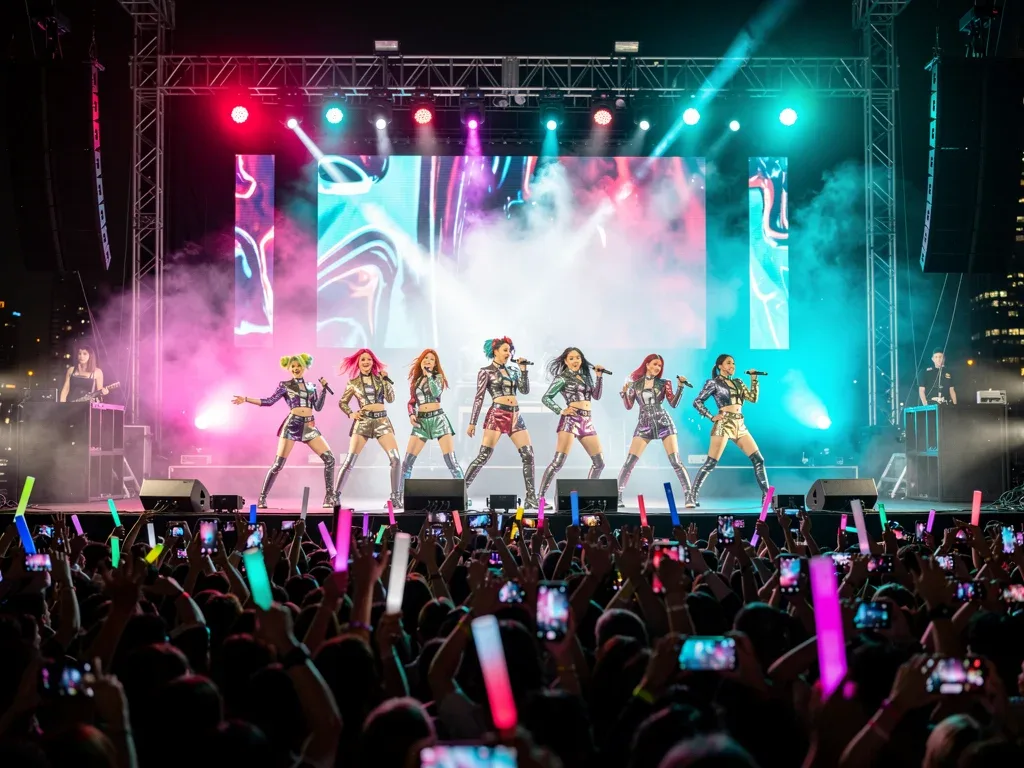
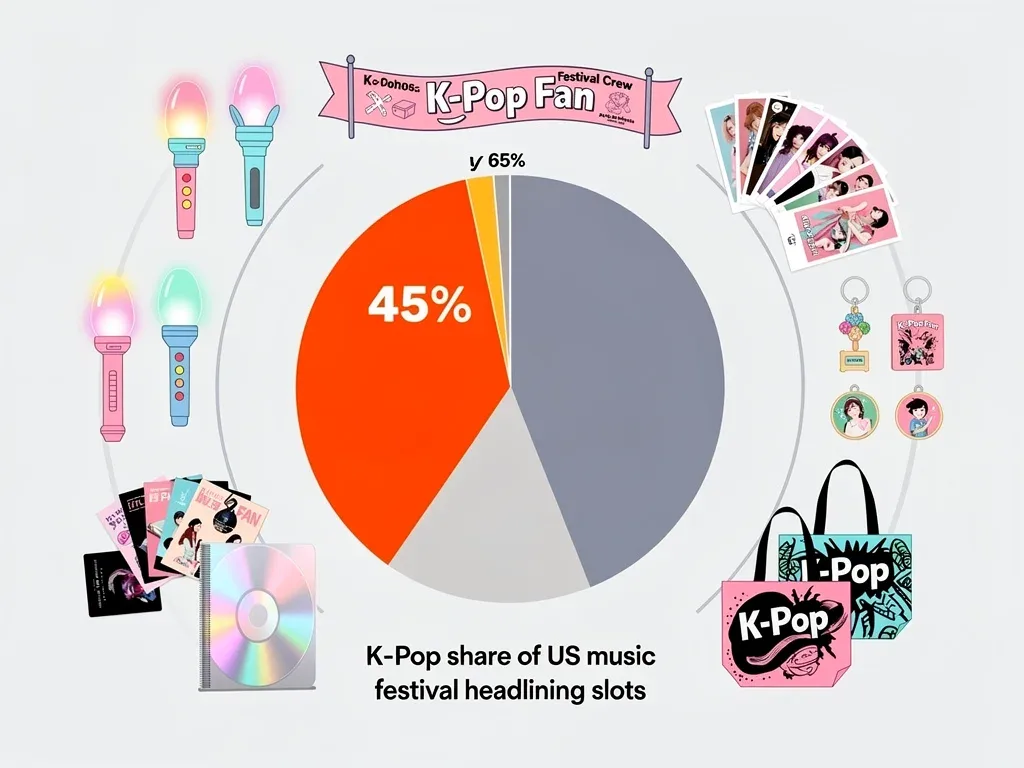
K-Pop's fifth generation has strategically captured 45% of US music festival headlining slots by 2026, marking a significant shift in global pop culture and the US music market.
The cultural phenomenon of K-Pop continues its meteoric rise, and by 2026, its impact on the global music scene is undeniable. Specifically, the fifth generation of K-Pop groups has achieved an astonishing milestone: capturing 45% of US music festival headlining slots in 2026. This unprecedented level of representation at major American music festivals signals a profound shift in mainstream music consumption and audience engagement.
The Unstoppable Ascent of K-Pop's Fifth Generation
The rise of K-Pop has been a gradual yet relentless force over the past two decades, culminating in its current global ubiquity. While earlier generations laid the groundwork, the fifth generation has truly broken through, transcending niche status to become mainstream headliners. Their success is not merely a fleeting trend but a testament to strategic planning, unparalleled talent, and an incredibly dedicated global fanbase.
This generation, debuting roughly from 2023 onwards, has inherited a well-established infrastructure while simultaneously innovating to carve out their unique identity. They leverage advanced digital strategies, highly polished productions, and a keen understanding of global youth culture. The result is a captivating blend of music, fashion, and performance art that resonates deeply with diverse audiences worldwide.
Evolution of K-Pop Generations
Understanding the fifth generation's impact requires a brief look at its predecessors. Each generation built upon the last, expanding K-Pop's reach and refining its artistry:
- First Generation (1990s-early 2000s): Pioneering groups like H.O.T. and S.E.S. established the idol system and laid the foundation for the industry.
- Second Generation (mid-2000s-early 2010s): Groups such as TVXQ, Super Junior, Girls' Generation, and Wonder Girls initiated the Hallyu wave, gaining traction across Asia.
- Third Generation (mid-2010s): BTS and BLACKPINK propelled K-Pop into global superstardom, breaking records and topping international charts.
- Fourth Generation (late 2010s-early 2020s): Groups like Stray Kids, TXT, and ITZY solidified K-Pop's presence, focusing on diverse concepts and strong fan engagement.
- Fifth Generation (2023 onwards): This current wave is characterized by hyper-globalization, advanced AI integration in production, and an even sharper focus on individual artistry within group dynamics.
The fifth generation has capitalized on these foundations, pushing boundaries in sound, visual storytelling, and fan interaction. Their rapid ascent to headlining status at US festivals is a clear indicator of their profound influence and growing mainstream appeal.
Strategic Factors Behind K-Pop's Festival Dominance
The achievement of K-Pop festival dominance, particularly the 45% headlining share, is no accident. It's the culmination of several meticulously executed strategies and evolving industry dynamics. From innovative artist development to sophisticated marketing, every facet plays a crucial role in their success.
One primary factor is the industry's commitment to producing highly skilled and versatile artists. Fifth-generation idols are not just singers; they are often exceptional dancers, performers, and increasingly, songwriters and producers. This multifaceted talent ensures a captivating live show, which is paramount for festival stages.
Unmatched Performance Quality and Production Value
K-Pop acts are renowned for their high-octane, perfectly synchronized performances. Festivals, by their very nature, thrive on spectacle, and K-Pop delivers this in spades. The intricate choreography, elaborate stage designs, and seamless transitions are often theatrical in scale, offering an experience that transcends a typical concert.
Furthermore, the production value extends beyond the stage. Music videos are cinematic masterpieces, and concept photoshoots are art pieces. This holistic approach to artistry creates a rich, immersive world that fans are eager to explore and witness live. Festival organizers recognize this value proposition, understanding that K-Pop headliners guarantee a visually stunning and sonically engaging experience for attendees.
The Power of Fandom: Mobilizing a Global Army
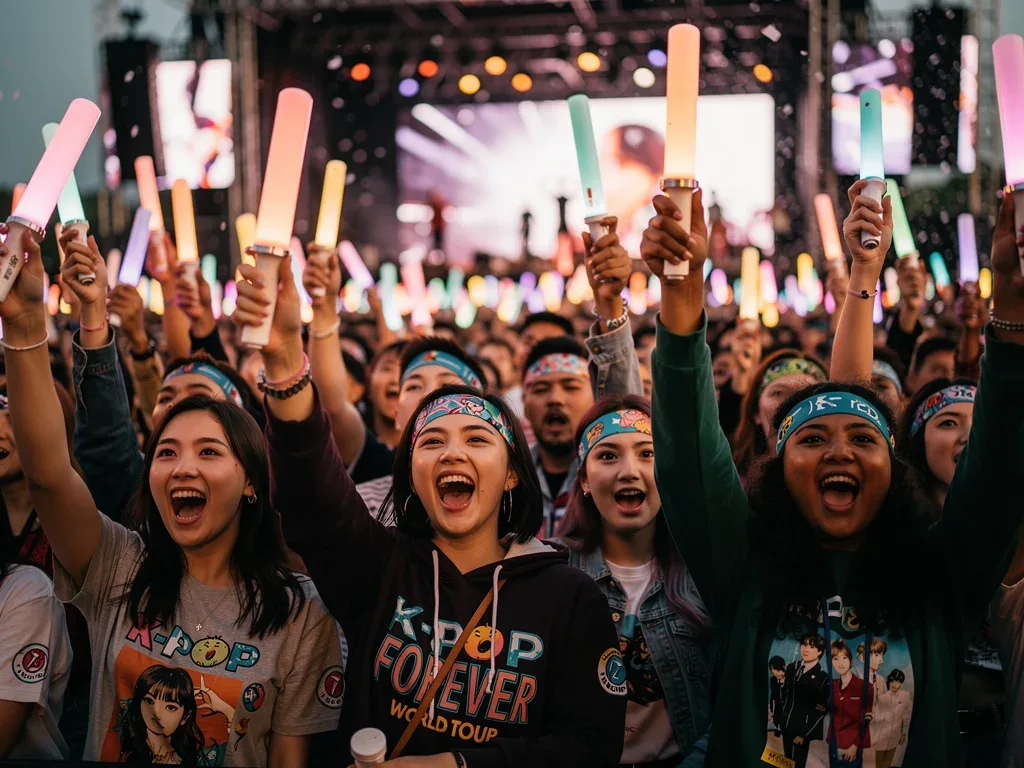
The fervent dedication of K-Pop fans, often referred to as 'stans,' is arguably the most significant driver behind the genre's success, including its rise in festival lineups. This isn't just about casual listening; it's about deep engagement, community building, and active participation. The fifth generation has masterfully cultivated these communities, turning them into powerful engines for global outreach.
K-Pop fandoms are highly organized and technologically savvy. They mobilize online to stream music, vote in awards, and crucially, advocate for their favorite groups. When it comes to festivals, this translates into massive ticket sales and an undeniable buzz. Promoters and organizers observe these trends closely, recognizing that booking a K-Pop act guarantees a significant turnout and an enthusiastic crowd, regardless of geographical location.
Digital Engagement and Social Media Mastery
Fifth-generation groups and their agencies excel at digital engagement. They utilize platforms like TikTok, Instagram, Twitter (now X), and YouTube to create direct, intimate connections with fans. This constant interaction builds loyalty and a sense of shared community.
- Interactive Content: Livestreams, Q&A sessions, and behind-the-scenes vlogs keep fans constantly engaged.
- Fan-Generated Content: Encouraging fan covers, dance challenges, and creative projects amplifies reach organically.
- Global Fan Bases: Social media erases geographical boundaries, allowing groups to cultivate vast international followings simultaneously.
- Data-Driven Decisions: Agencies analyze social media trends and fan engagement data to inform marketing strategies and tour planning.
The collective power of these digitally connected fandoms ensures that when a K-Pop group is announced for a festival, the news spreads like wildfire, leading to rapid ticket sell-outs and increased overall festival attendance. This fan loyalty is a goldmine for festival organizers.
Breaking Down Barriers: Cultural Exchange and Inclusivity
The ascent of K-Pop's fifth generation to prominent festival slots also reflects a broader shift in cultural appreciation and a growing demand for diverse musical experiences. American audiences are increasingly open to music from different cultures, moving beyond traditional language barriers. K-Pop, with its universal themes and infectious melodies, fits perfectly into this evolving landscape.
Moreover, K-Pop often promotes messages of self-love, acceptance, and overcoming adversity, resonating with a global youth demographic. This positive messaging, combined with the visual artistry and dynamic performances, creates an inclusive environment that welcomes fans from all walks of life. Festivals are increasingly seeking to curate diverse lineups that reflect their audience's broad tastes, and K-Pop offers a compelling solution.
The Role of Language and Translation
While the language barrier was once considered a significant hurdle, it has largely been overcome through dedicated fan translators and official subtitles. Fans actively translate lyrics, interviews, and social media posts, ensuring that the emotional and thematic depth of K-Pop is accessible to non-Korean speakers.
This communal effort not only bridges the language gap but also strengthens fan bonds and fosters a deeper understanding of the artists' messages. For festival-goers, the experience becomes less about understanding every word and more about the universal language of music, performance, and shared emotional connection.
Economic Impact and Industry Recognition
The significant presence of K-Pop's fifth generation at US music festivals also carries substantial economic implications and signals a strong industry recognition of their market power. Booking K-Pop headliners translates into massive revenue streams for festivals, not just from ticket sales but also from merchandise, food and beverage, and associated tourism.
Beyond the immediate financial gains, the inclusion of K-Pop acts elevates the global profile of these festivals. It attracts a diverse international audience, enhancing the festival's brand as a truly global music event. This recognition from major festival curators validates K-Pop's status as a top-tier global music genre, further cementing its position in the mainstream.
Future Projections and Sustained Growth
Industry analysts predict that K-Pop's trajectory will continue upwards. The 45% headlining share in 2026 is not a peak but rather a strong indicator of sustained growth. Investment in artist development, global marketing, and technological innovation within the K-Pop industry remains robust.
- Expansion into New Markets: K-Pop agencies are constantly exploring untapped regions for fan engagement and concert tours.
- Hybrid Content Models: Blending music with webtoons, games, and metaverses creates new avenues for fan interaction and revenue.
- Collaborations: High-profile collaborations with Western artists continue to introduce K-Pop to new audiences.
- Longevity of Groups: Strategic group management aims for longer careers, ensuring a continuous supply of experienced and beloved artists.
The industry's adaptability and forward-thinking approach suggest that K-Pop will remain a dominant force in the global music landscape for years to come, with its presence at major festivals only set to strengthen.
Challenges and Opportunities for K-Pop's Future
While the success of K-Pop's fifth generation is undeniable, challenges remain, alongside numerous opportunities for continued growth. Maintaining momentum in a rapidly evolving music industry requires constant innovation and adaptation. The pressure to consistently deliver fresh content and captivating performances is immense.
One significant challenge is the intense competition within the K-Pop industry itself. With numerous groups debuting each year, standing out requires unique concepts and exceptional talent. However, this competitive environment also fosters creativity and drives artists to push their boundaries, ultimately benefiting the genre as a whole.
Navigating Cultural Differences and Localization
For sustained success in the US market, K-Pop groups and their agencies must continue to navigate cultural nuances. While global appeal is a strength, understanding local market preferences and adapting strategies accordingly can further deepen their connection with American audiences.
Opportunities lie in further localization efforts, such as English-language releases, more US-based promotions, and collaborations that authentically bridge cultural gaps. The goal is not to assimilate but to integrate, allowing K-Pop's unique identity to thrive within diverse cultural contexts. The continued success in securing headlining slots demonstrates that this balance is being struck effectively, leading to a truly global phenomenon.
| Key Point | Brief Description |
|---|---|
| Fifth Gen Dominance | K-Pop's 5th generation secured 45% of US music festival headlining slots by 2026. |
| Performance Quality | High-octane choreography and elaborate stage productions are key attractions for festivals. |
| Powerful Fandoms | Organized, digitally savvy fanbases drive ticket sales and generate significant buzz. |
| Global Appeal | K-Pop's universal themes and inclusive messaging resonate with diverse US audiences. |
Frequently Asked Questions About K-Pop's Festival Impact
What defines K-Pop's fifth generation?▼K-Pop's fifth generation, generally debuting from 2023 onwards, is characterized by its hyper-globalization, advanced integration of technology in production, and a strong emphasis on individual artistry within group dynamics. They leverage sophisticated digital strategies and aim for immediate global resonance.
Why are K-Pop groups becoming headliners at US music festivals?▼K-Pop groups attract massive, dedicated fanbases that guarantee high ticket sales and attendance. Their unparalleled performance quality, elaborate stage productions, and strong digital engagement make them highly attractive to festival organizers seeking captivating and diverse acts.
How does K-Pop overcome the language barrier for US audiences?▼The language barrier is largely overcome through dedicated fan translators, official subtitles for content, and the universal appeal of music and performance art. Fans actively engage in translating lyrics and content, fostering deeper connections and understanding across cultures.
What is the economic impact of K-Pop headliners on US festivals?▼K-Pop headliners generate significant revenue through massive ticket sales, merchandise, and increased tourism. Their inclusion also elevates the festival's global profile, attracting a diverse international audience and enhancing the event's brand as a world-class music destination.
Will K-Pop's festival dominance continue to grow beyond 2026?▼Industry experts predict sustained growth for K-Pop. Continuous innovation in artist development, robust global marketing, and strategic digital engagement suggest that K-Pop's presence at major festivals will likely strengthen, solidifying its position as a global music powerhouse.
Conclusion
The remarkable achievement of K-Pop's fifth generation, securing 45% of US music festival headlining slots by 2026, is a pivotal moment in global pop culture. It signifies not just a musical trend but a profound shift in how music is consumed, marketed, and experienced worldwide. This dominance is a testament to the meticulous artistry, strategic global outreach, and the unparalleled power of dedicated fandoms. As K-Pop continues to evolve and break new ground, its influence on the American music landscape, particularly within the vibrant festival circuit, is set to grow even further, promising an exciting and diverse future for music lovers everywhere. The industry's adaptability, combined with the sheer talent and captivating performances of these groups, ensures that K-Pop will remain a formidable force, redefining the boundaries of mainstream entertainment.
