Indoor Herb Sanctuary: Fresh Aromatics in 14 Days
Advertisements
Creating an indoor herb sanctuary allows for a continuous supply of fresh aromatics, with low-maintenance setups yielding usable herbs in as little as 14 days, perfect for culinary and wellness applications.
Imagine plucking fresh, fragrant basil for your pasta, snipping vibrant cilantro for your tacos, or adding a sprig of rosemary to your roast, all from the comfort of your kitchen. This dream is entirely achievable by designing an indoor herb sanctuary. Forget expensive store-bought herbs that wilt quickly; with the right low-maintenance setup, you can enjoy a continuous supply of fresh aromatics, often seeing usable growth in as little as 14 days. This guide will walk you through three accessible setups to bring the joy of indoor gardening into your home.
Understanding the Basics of Indoor Herb Cultivation
Embarking on the journey of growing herbs indoors requires a fundamental understanding of their core needs. Unlike outdoor gardening where nature often takes the lead, indoor environments demand a more controlled approach to light, water, and nutrients. Grasping these basics is crucial for ensuring your herbs not only survive but thrive, leading to that satisfying rapid growth we all desire.
One of the most critical factors is light. Herbs, by nature, are sun-loving plants, and replicating adequate sunlight indoors is paramount. Without sufficient light, your herbs will become leggy, pale, and lose their characteristic aroma and flavor. Moreover, proper watering techniques are essential to prevent root rot and ensure consistent moisture. Finally, understanding nutrient requirements, even for low-maintenance setups, can significantly boost your yield and the overall health of your herb sanctuary.
The Light Imperative: Natural vs. Artificial
Light is the engine of photosynthesis, and for herbs, more light generally means more robust growth and flavor. While a sunny south-facing window can provide some light, it's often insufficient for optimal herb growth, especially during shorter winter days. This is where artificial lighting becomes a game-changer for your indoor herb sanctuary.
- Natural Light: Aim for at least 4-6 hours of direct sunlight daily. South-facing windows are ideal, but even then, light intensity can vary greatly with seasons and weather.
- Artificial Grow Lights: LED grow lights are highly efficient and emit the full spectrum of light herbs need. They are crucial for accelerating growth and ensuring consistent results, especially for rapid harvests within 14 days.
- Placement: Position grow lights 6-12 inches above your herbs, adjusting as they grow to prevent stretching or scorching.
Beyond light, temperature and humidity also play roles. Most herbs prefer temperatures between 65-75°F (18-24°C) and moderate humidity. Avoid placing herbs near drafty windows or heat vents, as sudden temperature fluctuations can stress them. By mastering these environmental controls, you set the stage for a flourishing indoor herb garden.
In conclusion, establishing a successful indoor herb sanctuary begins with a solid grasp of light, water, and nutrient fundamentals. Recognizing the limitations of natural light and embracing artificial solutions, coupled with mindful watering and environmental control, forms the bedrock of a thriving herb garden that consistently delivers fresh aromatics.
Setup 1: The Classic Pot-and-Saucer Method with a Twist
The pot-and-saucer method is the most traditional and accessible way to start an indoor herb garden. It's straightforward, requires minimal initial investment, and is perfect for beginners. However, to truly create an effective indoor herb sanctuary that yields results in 14 days, we need to add a few crucial enhancements that elevate this simple setup from basic to brilliant.
This method focuses on individual plants in separate containers, allowing for easy management and rotation. The 'twist' involves optimizing the soil, choosing the right pots, and crucially, supplementing with targeted lighting and nutrient solutions to accelerate growth. This ensures your herbs receive everything they need for a quick turnaround, making fresh aromatics readily available.
Optimizing Your Pot-and-Saucer Setup
Choosing the right pots and soil is more important than many realize. Drainage is key to preventing root rot, while the soil provides the initial nutrient base and structural support for your herbs. Don't just grab any potting mix; look for one specifically formulated for indoor plants or herbs.
- Pot Selection: Opt for pots with drainage holes, ideally 6-8 inches in diameter for most herbs. Terracotta pots allow for good aeration, but plastic or ceramic with drainage are also viable.
- Quality Potting Mix: Use a well-draining, lightweight potting mix. Avoid garden soil, which can compact and harbor pests. A mix with perlite or vermiculite is excellent for drainage.
- Strategic Placement: Place pots on saucers to catch excess water, protecting your surfaces. Ensure there's a slight air gap between the pot and the saucer to prevent waterlogging.
Beyond the physical setup, the 'twist' also includes a consistent watering schedule and the introduction of a gentle liquid fertilizer. While the goal is low maintenance, consistent care in these areas will dramatically impact the 14-day yield. Water when the top inch of soil feels dry, and feed every two to four weeks with a diluted, all-purpose liquid herb fertilizer.
In essence, the classic pot-and-saucer method, when carefully optimized with proper drainage, quality soil, and a touch of supplemental care, transforms into a highly effective low-maintenance setup. This approach provides a robust foundation for growing a variety of herbs, making it an excellent starting point for any aspiring indoor gardener.
Setup 2: Hydroponic Herb Gardens for Rapid Growth
For those seeking even faster results and a more hands-off approach, hydroponic systems offer an exceptional solution for an indoor herb sanctuary. Hydroponics, the method of growing plants without soil, using mineral nutrient solutions dissolved in water, can significantly accelerate herb growth. This setup is particularly effective for achieving fresh aromatics in as little as 14 days, as nutrients are delivered directly to the roots, bypassing the need for soil microorganisms to break them down.
Hydroponic systems come in various forms, from simple passive wicking systems to more advanced active deep water culture or nutrient film technique setups. While they may seem intimidating at first, many compact, user-friendly home hydroponic kits are designed for beginners, making them an excellent choice for a low-maintenance, high-yield herb garden.
Choosing and Maintaining Your Hydroponic System
The beauty of hydroponics lies in its efficiency and cleanliness. Without soil, you eliminate many common pest issues and the mess associated with traditional potting. However, it's crucial to select a system that suits your space and commitment level, and then to understand its specific maintenance requirements.
- Wick Systems: Simple and passive, these use a wick to draw nutrient solution from a reservoir to the plant's roots. Great for small herbs like basil or mint.
- Deep Water Culture (DWC): Plants are suspended with their roots immersed in a nutrient solution, often aerated with an air pump. Offers faster growth but requires more attention to water levels and pH.
- Nutrient Film Technique (NFT): A thin film of nutrient solution flows over the roots. More complex but highly efficient for continuous harvesting.
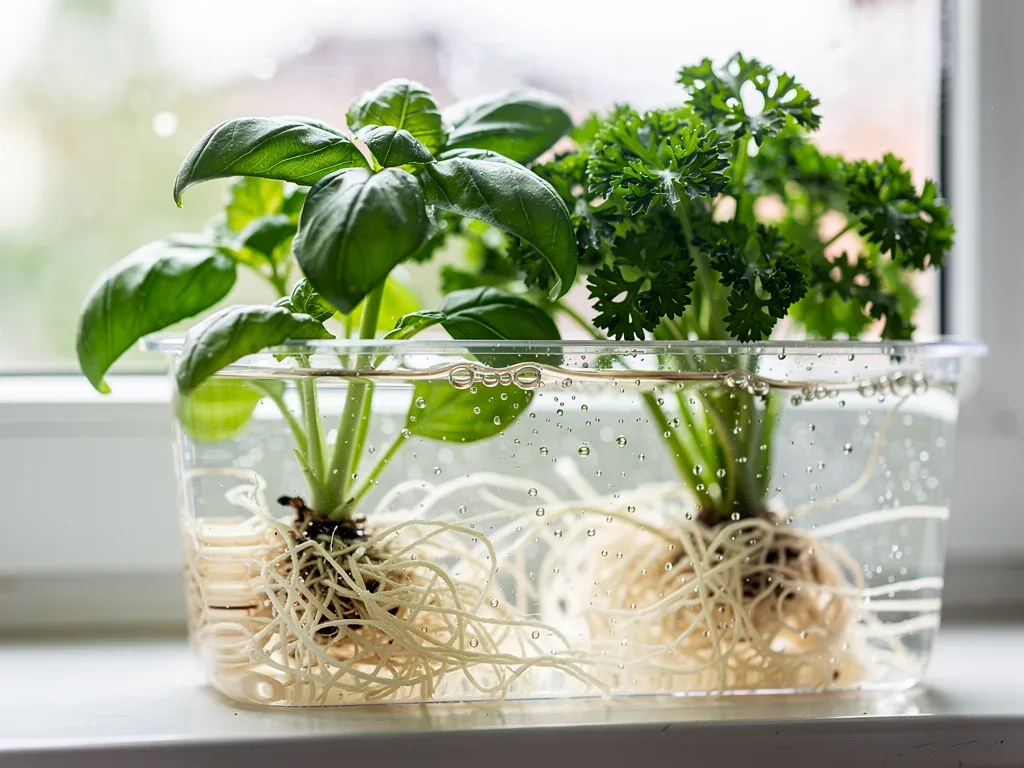
Maintenance involves regularly checking the nutrient solution's pH and concentration, as well as topping up the reservoir. Most home kits simplify this with pre-mixed nutrient solutions and clear instructions. Consistent lighting, as discussed earlier, is even more critical in hydroponics, as the rapid growth demands ample energy. Many hydroponic kits come with integrated LED grow lights, making setup even easier.
In summary, hydroponic herb gardens provide an incredibly efficient and rapid way to cultivate fresh aromatics. By delivering nutrients directly to the roots and often incorporating optimized lighting, these systems are perfect for anyone looking to enjoy fresh herbs with minimal fuss and maximum speed, making them an ideal component of a modern indoor herb sanctuary.
Setup 3: Vertical Gardens for Space-Saving Sanctuaries
Urban living often means limited space, but that doesn't mean sacrificing the joy of an indoor herb sanctuary. Vertical gardens are an ingenious solution, allowing you to grow a substantial amount of herbs in a compact footprint. These systems leverage vertical space, turning a blank wall or a small corner into a lush, productive herb haven. They are inherently low-maintenance once set up, making fresh aromatics accessible even in the smallest apartments.
Vertical gardens can range from simple tiered planters to sophisticated wall-mounted hydroponic units. Their primary benefit is maximizing yield per square foot, making them perfect for kitchens, balconies, or any area where horizontal space is a premium. This setup not only provides fresh herbs but also adds a beautiful, living element to your home decor.
Designing Your Vertical Herb Garden
The key to a successful vertical herb garden lies in smart design and plant selection. Not all herbs are equally suited for vertical growth, and the type of system you choose will dictate your plant choices and maintenance routine. Consider your available light, wall space, and how much time you're willing to dedicate.
- Pocket Planters: Fabric or felt pockets mounted on a wall. Great for smaller, trailing herbs like thyme, oregano, or mint. Easy to water and maintain.
- Tiered Planters: Stackable pots or shelves that create multiple growing levels. Excellent for a variety of herbs, allowing for different light exposures on each tier.
- Wall-Mounted Hydroponic Systems: More advanced, these integrate hydroponic technology into a vertical format. Offer rapid growth and precise nutrient delivery but require more initial setup.
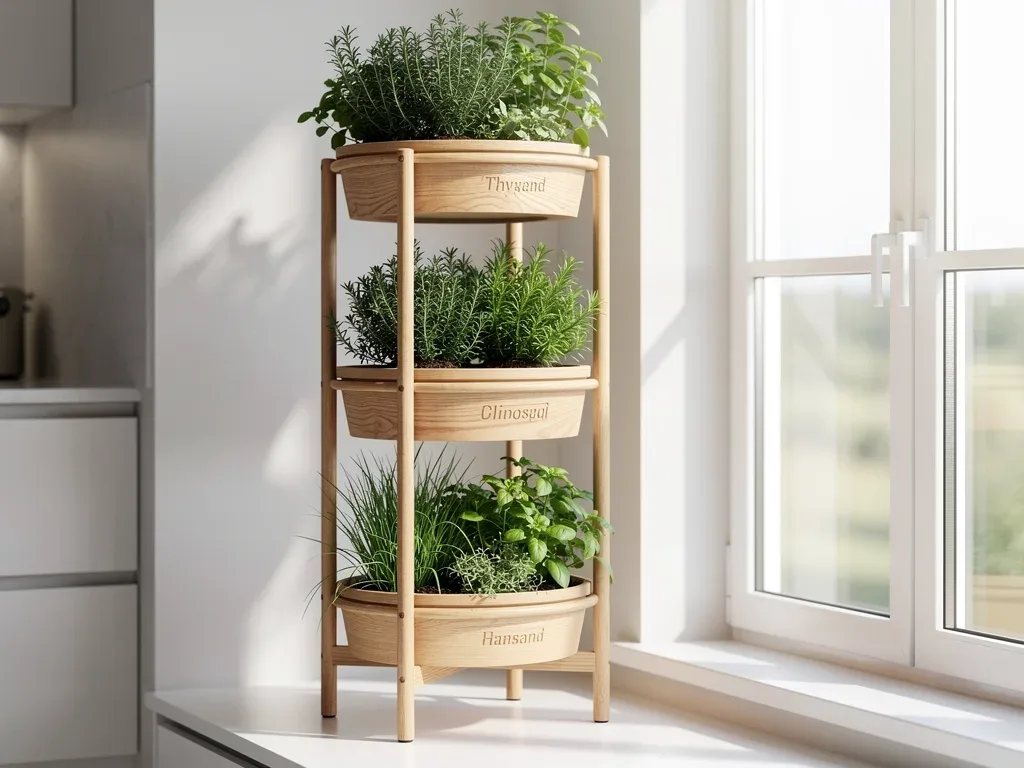
When selecting herbs for a vertical garden, consider their growth habits. Bushy herbs like basil and parsley do well in larger pockets or tiers, while cascading varieties like mint and oregano can spill attractively. Ensure each plant has enough room to grow without overcrowding, which can lead to poor air circulation and disease. Consistent watering, either manually or through an integrated drip system, is vital, as vertical gardens can dry out faster than traditional pots.
Ultimately, vertical gardens offer an elegant and efficient way to establish an indoor herb sanctuary, even in urban settings. By carefully selecting your system and herbs, you can transform underutilized space into a productive source of fresh aromatics, enhancing both your culinary endeavors and your home's aesthetic appeal.
Essential Care Tips for Your 14-Day Harvest
Achieving a harvest of fresh aromatics in just 14 days isn't magic; it's the result of consistent, intelligent care. While the three setups outlined provide the framework, understanding the nuances of daily maintenance is what truly accelerates growth and ensures your indoor herb sanctuary flourishes. These essential tips go beyond basic watering and light, delving into the specifics that make a real difference in rapid herb cultivation.
From strategic pruning to pest prevention and understanding specific herb needs, these practices are designed to optimize your growing environment. Implementing these care tips consistently will not only ensure a quick harvest but also promote healthier, more productive plants that continue to yield for weeks and months to come.
Accelerating Growth and Maintaining Health
Even with the best setup, a few proactive measures can significantly boost your herbs' growth rate and overall vitality. Think of these as fine-tuning adjustments that push your herbs towards that 14-day goal, ensuring they are robust and flavorful.
- Strategic Pruning: Regularly pinch back the top sets of leaves on bushy herbs like basil and mint. This encourages lateral growth, making the plant bushier and producing more leaves.
- Consistent Feeding: Even if your soil or hydroponic solution is initially rich, a consistent, diluted feeding schedule is crucial. Herbs are fast growers and deplete nutrients quickly, especially when aiming for rapid harvests.
- Air Circulation: Good airflow prevents fungal diseases. If your herbs are in a confined space, a small fan set on a low setting for a few hours a day can make a big difference.
Beyond these, always monitor your plants for any signs of stress or pests. Yellowing leaves can indicate overwatering or nutrient deficiency, while small spots might signal a pest infestation. Early detection and intervention are key to maintaining a healthy and productive herb garden. Organic pest control methods, such as neem oil or insecticidal soap, are usually sufficient for indoor setups.
In conclusion, while the initial setup is vital, the ongoing care and attention to detail are what truly define a successful indoor herb sanctuary. By implementing strategic pruning, consistent feeding, ensuring good air circulation, and vigilant monitoring, you can confidently achieve a rapid 14-day harvest and enjoy a continuous supply of fresh, aromatic herbs.
Choosing the Right Herbs for Quick Success
Not all herbs are created equal when it comes to rapid growth and low maintenance, especially if your goal is to harvest fresh aromatics within 14 days. Selecting the right varieties is a critical step in establishing a successful indoor herb sanctuary. Focusing on fast-growing, resilient herbs will ensure you see quick results and stay motivated in your indoor gardening journey.
Certain herbs are naturally more amenable to indoor conditions and respond well to consistent care with impressive growth spurts. Prioritizing these varieties for your initial setups will significantly increase your chances of a satisfying and timely harvest, making your efforts feel instantly rewarding.
Top Picks for Your 14-Day Herb Harvest
When embarking on your indoor herb cultivation, consider these reliable choices that are known for their quick growth and adaptability to indoor environments. These herbs are not only fast producers but also incredibly versatile in the kitchen, adding fresh flavor to a myriad of dishes.
- Basil: A true superstar of indoor gardening, basil loves warmth and light. With proper care, you can often start harvesting small leaves in about two weeks. Pinching it back encourages bushier growth.
- Mint: Known for its vigorous growth, mint can almost be too successful indoors! It's incredibly forgiving and will readily produce new leaves. Consider planting it in its own pot to prevent it from overtaking other herbs.
- Cilantro: While it can sometimes bolt (go to seed) quickly, cilantro grows rapidly from seed. Consistent harvesting of outer leaves helps prolong its life.
- Chives: These oniony delights grow quickly from seed or division. Snip the green tops as needed, and they will regrow readily, providing a continuous harvest.
Beyond these, other fast growers include parsley (especially flat-leaf varieties), dill, and oregano. When starting from seed, ensure you use fresh, high-quality seeds for better germination rates. If purchasing starter plants, choose healthy, compact specimens without any signs of pests or disease. Providing consistent light, water, and nutrients will further accelerate their growth, bringing you closer to that 14-day harvest target.
In conclusion, smart herb selection is paramount for a quick and successful indoor herb sanctuary. By focusing on varieties known for their rapid growth and resilience, you set yourself up for an enjoyable and productive gardening experience, ensuring a continuous supply of fresh, flavorful aromatics for your culinary adventures.
Troubleshooting Common Indoor Herb Issues
Even with the most meticulous planning, an indoor herb sanctuary can occasionally face challenges. From yellowing leaves to stunted growth, encountering issues is a natural part of gardening. The key to maintaining a thriving herb garden, especially when aiming for a 14-day turnaround, is knowing how to quickly diagnose and effectively resolve these common problems. Proactive troubleshooting ensures your herbs remain healthy and productive.
Understanding the signs your plants are giving you is crucial. Often, a plant's appearance can tell a clear story about what it's lacking or receiving in excess. Addressing these issues promptly prevents minor setbacks from becoming major problems, keeping your herb sanctuary on track for continuous harvests.
Diagnosing and Resolving Herb Health Problems
Many indoor herb issues stem from imbalances in their environment or care routine. Learning to recognize these signs early can save your plants and ensure your fresh aromatics keep coming.
- Yellowing Leaves: Often indicates overwatering or nutrient deficiency. Check soil moisture; if wet, reduce watering. If dry and regularly watered, consider a balanced liquid fertilizer.
- Leggy or Stretched Growth: A clear sign of insufficient light. Move plants closer to a window or, ideally, introduce a grow light.
- Wilting: Can be either under or overwatering. Check soil moisture. If dry, water thoroughly. If constantly wet, improve drainage and reduce watering frequency.
Pests are another common challenge. Small flies, sticky residue, or tiny webs can all indicate an infestation. Inspect your plants regularly, especially the undersides of leaves. For most indoor pests like aphids, spider mites, or fungus gnats, a gentle organic solution like neem oil spray or insecticidal soap can be highly effective. Ensure good air circulation to deter many fungal issues, and always use sterile potting mix to avoid introducing pests from the start.
By staying vigilant and understanding these common indicators, you can quickly troubleshoot and rectify problems, ensuring your indoor herb sanctuary remains a vibrant and productive source of fresh aromatics. Regular observation is your most powerful tool in maintaining healthy, fast-growing herbs.
| Key Aspect | Brief Description |
|---|---|
| Optimized Lighting | Crucial for rapid herb growth; supplement natural light with LED grow lights for best results. |
| Low-Maintenance Setups | Pot-and-saucer, hydroponic, and vertical gardens offer accessible options for all skill levels. |
| Fast-Growing Herb Choices | Basil, mint, cilantro, and chives are ideal for achieving harvests within 14 days. |
| Consistent Care | Regular pruning, feeding, and monitoring for pests are vital for continuous yield and health. |
Frequently Asked Questions About Indoor Herb Sanctuaries
What are the best herbs for a beginner's indoor sanctuary?▼For beginners, basil, mint, chives, and parsley are excellent choices. They are relatively forgiving, grow quickly, and adapt well to indoor conditions. Starting with these varieties ensures a higher chance of early success and builds confidence for growing more challenging herbs.
How much light do indoor herbs truly need?▼Most indoor herbs require at least 4-6 hours of direct sunlight daily to thrive. If natural light is insufficient, supplementing with LED grow lights for 12-16 hours per day is highly recommended to ensure robust growth and flavor, especially for rapid harvests.
Can I use regular potting soil for my indoor herbs?▼While possible, it's best to use a well-draining, lightweight potting mix specifically formulated for indoor plants or herbs. Regular garden soil can be too dense, leading to poor drainage and root rot, and may also introduce pests or diseases into your indoor environment.
How often should I water my indoor herb plants?▼Watering frequency depends on the herb type, pot size, and environmental conditions. A good rule of thumb is to water when the top inch of soil feels dry to the touch. Ensure pots have drainage holes to prevent waterlogging, which is detrimental to root health.
What are the benefits of a hydroponic herb system?▼Hydroponic systems offer several benefits, including faster growth rates due to direct nutrient delivery, reduced risk of soil-borne pests and diseases, and often a cleaner, more controlled growing environment. They are excellent for maximizing yield in minimal space.
Conclusion
Establishing an indoor herb sanctuary is a rewarding endeavor that brings fresh aromatics right to your fingertips. By understanding the core needs of herbs, choosing the right low-maintenance setup—be it classic pots, innovative hydroponics, or space-saving vertical gardens—and applying consistent care, you can enjoy a bountiful harvest in as little as 14 days. This journey not only enhances your culinary experiences but also adds a vibrant, living element to your home to your home, proving that fresh, flavorful herbs are always within reach.
