Gen Z Drives 42% Physical Media Sales Surge in 2026
Advertisements
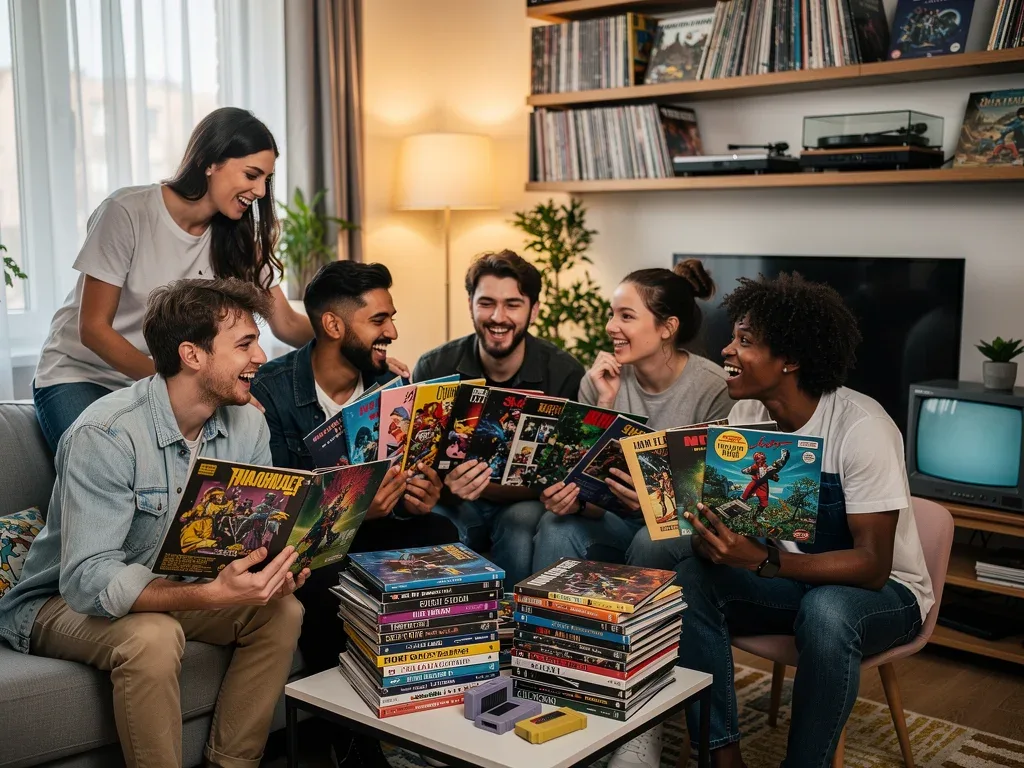
Early 2026 witnessed a remarkable 42% surge in physical media sales among Gen Z entertainment collectors, driven by a profound desire for ownership, tactile engagement, and a rejection of purely digital consumption models.
In a surprising twist for the digital age, a significant trend emerged in early 2026: a staggering 42% surge in Gen Z physical media sales among entertainment collectors. This unexpected revival challenges long-held assumptions about how younger generations consume content, pointing towards a deeper craving for tangibility, nostalgia, and a unique form of personal expression in an increasingly virtual world.
The Allure of Tangibility: Why Digital Isn't Enough
For a generation raised on streaming and digital downloads, the appeal of physical media might seem counterintuitive. Yet, the data from early 2026 paints a clear picture: Gen Z is actively seeking out tangible forms of entertainment. This isn't just about owning something; it's about the experience that comes with it, a stark contrast to the ephemeral nature of digital files.
The act of holding a vinyl record, flipping through a movie's liner notes, or even just seeing a collection proudly displayed on a shelf offers a connection that digital platforms often lack. It's a multisensory experience that begins before the content even starts, fostering a deeper appreciation and a sense of ritual around consumption.
Beyond the Screen: A Sensory Experience
The digital realm, while convenient, can feel sterile and impersonal. Physical media, conversely, engages more senses. The weight of a book, the artwork on an album cover, the distinct smell of an old video game cartridge – these elements contribute to a richer, more immersive experience that resonates deeply with Gen Z collectors.
- Tactile Engagement: The satisfaction of holding and interacting with an object.
- Visual Appeal: Album art, movie posters, and game cases as aesthetic elements.
- Auditory Ritual: The distinct sounds of a record player or disc drive.
- Olfactory Memories: The unique scent of vintage media.
This sensory engagement transforms content consumption from a passive activity into an active, almost ceremonial, event. It’s a deliberate choice to slow down and savor the experience, a stark contrast to the rapid-fire, endless scroll of digital feeds.
Ultimately, the surge in physical media sales among Gen Z highlights a fundamental human desire for connection with the objects around us. In an era dominated by the intangible, these physical artifacts offer a grounding presence, a testament to personal tastes and passions that can be seen, touched, and shared.
Nostalgia for the Unexperienced: Retro Trends and Cultural Curation
A significant driver behind Gen Z's embrace of physical media is a fascinating form of "unexperienced nostalgia." This generation, while not having grown up with many of these formats, is drawn to the aesthetics and cultural significance of older media. They are curating their own past, often inspired by their parents' collections or idealized representations of past eras.
This trend extends beyond mere aesthetics; it's about understanding the cultural context and history embedded within these physical items. Collecting retro video games, for instance, isn't just about playing old titles; it's about appreciating the evolution of gaming and the artistry of earlier console generations.
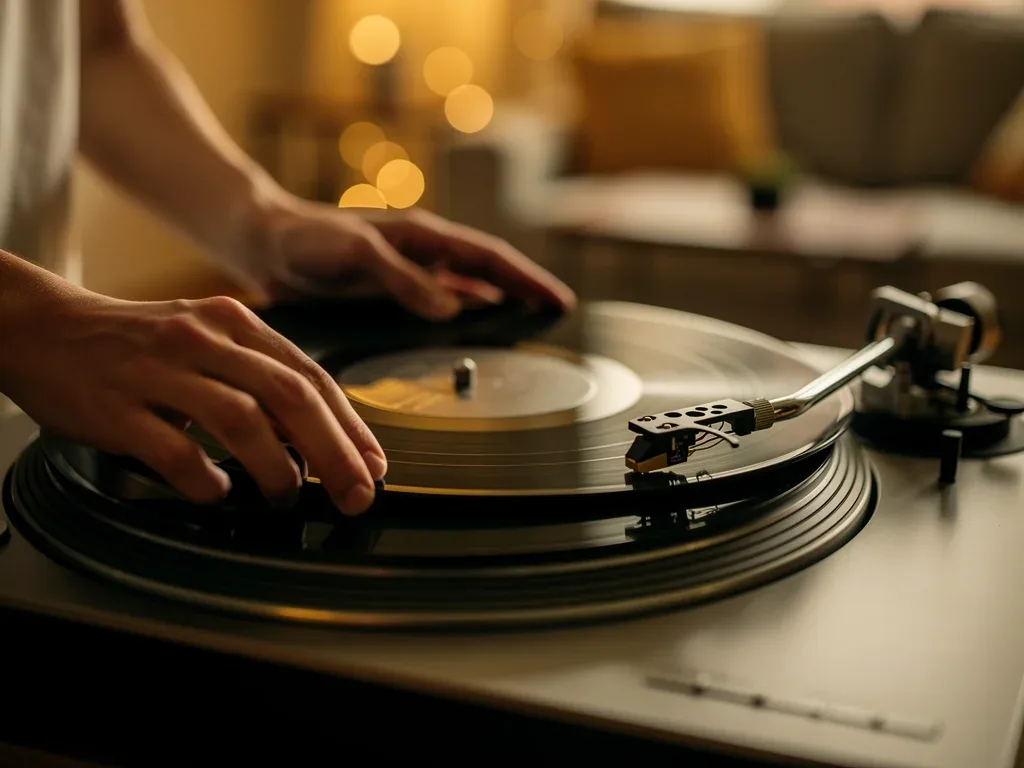
The rise of vinyl records, despite most Gen Z individuals never having owned a record player in their childhood, exemplifies this phenomenon. They are not merely buying music; they are investing in a lifestyle, a statement, and a connection to a perceived golden age of music consumption.
Curating a Personal Archive
In a world where digital content can disappear or change without notice, physical media offers a sense of permanence and control. Gen Z collectors are building personal archives, carefully chosen and curated, that reflect their identities and passions. This act of curation is a powerful antidote to the transient nature of digital platforms.
- Sense of Ownership: True ownership of content, independent of subscriptions.
- Preservation: A way to safeguard beloved content from digital obsolescence.
- Personal Expression: Collections as reflections of individual taste and identity.
- Discovery: Exploring media from different eras and cultures firsthand.
This desire to curate and own physical artifacts is a direct response to the perceived instability of digital libraries. When a streaming service removes a favorite movie or an album becomes unavailable online, the physical copy stands as a reliable, enduring testament to its existence and value.
The nostalgic pull, combined with the desire for personal curation, creates a compelling narrative for Gen Z's engagement with physical media. It transforms passive consumption into an active, meaningful pursuit, allowing them to build a tangible legacy of their cultural interests.
Community and Connection: Sharing the Physical Experience
While digital platforms often foster online communities, physical media provides a unique avenue for face-to-face interaction and shared experiences. The act of collecting becomes a social currency, sparking conversations, trades, and gatherings centered around shared interests. This communal aspect is a significant draw for Gen Z, who often seek authentic connections.
Record store day events, fan conventions dedicated to classic films, or even local gaming meetups provide physical spaces where collectors can connect, discuss their passions, and discover new items. These interactions build stronger bonds than purely online exchanges, fostering a sense of belonging among like-minded individuals.
The Social Aspect of Collecting
Sharing a physical album or lending a favorite movie creates a different kind of bond than simply sharing a digital link. It's a more personal exchange, often accompanied by stories, recommendations, and a deeper appreciation for the shared experience. This social dimension is invaluable in an increasingly isolated world.
- Shared Passion: Connecting with others over tangible interests.
- Trading and Bartering: A social economy built around physical items.
- Local Gatherings: Events at record stores, comic shops, and conventions.
- Gift-Giving: The thoughtful act of giving a physical item.
The physical presence of these items also makes them excellent conversation starters. A unique album cover or a rare edition of a video game can immediately spark interest and lead to engaging discussions, solidifying friendships and building new relationships.
Ultimately, the community aspect of physical media collecting offers Gen Z a tangible way to connect with others, share their passions, and build meaningful relationships in a world that often prioritizes digital, asynchronous interactions.
Rebellion Against Digital Monopolies and Ephemeral Content
Another powerful factor contributing to the surge in Gen Z physical media sales is a subtle, yet significant, rebellion against the increasingly centralized and ephemeral nature of digital content. Many Gen Z individuals are wary of subscription models that grant access but not ownership, and the potential for content to be removed or altered without notice.
This generation has witnessed countless instances of beloved movies disappearing from streaming services, games becoming unplayable due to server shutdowns, or digital libraries vanishing with platform changes. Physical media offers a safeguard against these digital uncertainties, providing true ownership and control over their entertainment.
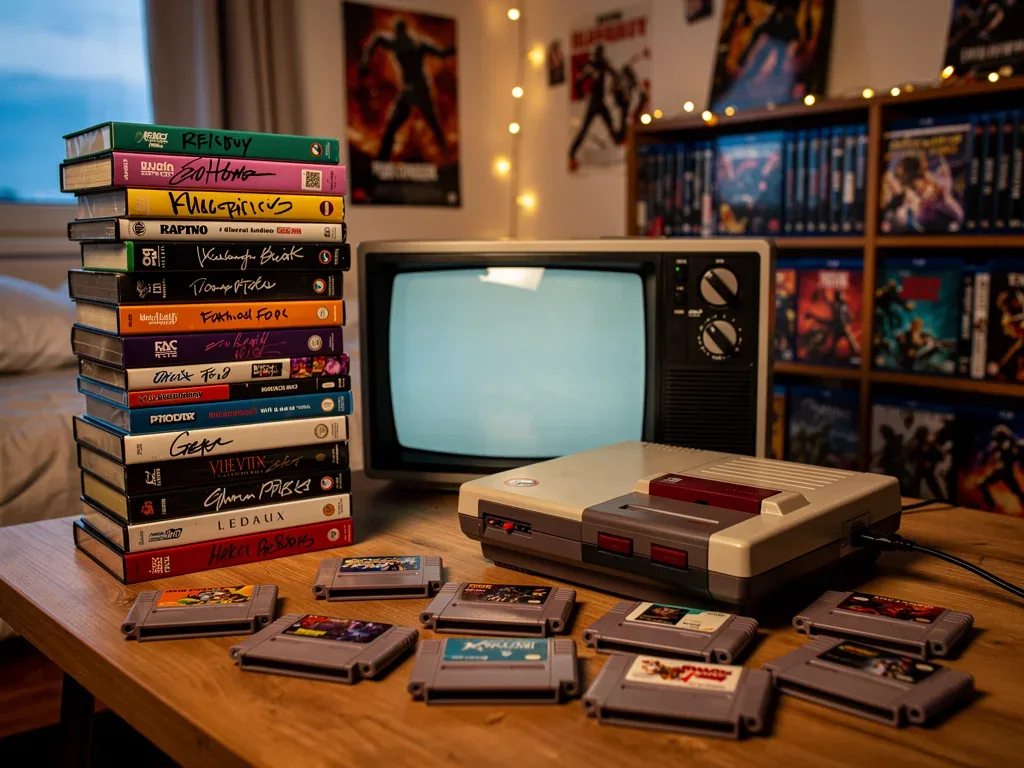
The move towards physical formats can be seen as a conscious choice to opt out of the "renting" culture of digital streaming and embrace a model of true possession. It’s a statement against corporate control over their entertainment choices.
The Value of Ownership and Preservation
The concept of digital rights management (DRM) and the constant threat of content being de-listed or altered online has instilled a sense of distrust in many consumers. Physical media bypasses these issues, offering a direct, unmediated connection to the content.
- True Ownership: No subscriptions, no expiring licenses.
- Content Longevity: Immune to server shutdowns or platform changes.
- Uncensored Access: Content as originally intended, free from potential digital edits.
- Investment Value: Some rare physical items appreciate in value.
This desire for ownership is not just about having access; it's about the security of knowing that their cherished entertainment will always be available to them, regardless of corporate decisions or technological shifts. It's a form of digital resilience in an unpredictable online landscape.
The rebellion against digital monopolies and the pursuit of content permanence are strong undercurrents driving Gen Z's renewed interest in physical media, positioning it as a form of consumer empowerment and a statement of independence.
The Aesthetic and Artistic Appeal of Physical Formats
Beyond functionality, the aesthetic and artistic appeal of physical media plays a crucial role in its resurgence among Gen Z. Album artwork, movie posters, game case designs, and even the physical design of the media itself are seen as extensions of the art form they contain. These elements are often lost or diminished in digital formats.
Many collectors view their physical media as art pieces, carefully displaying them in their living spaces. This integration of entertainment into home decor and personal style is a significant aspect of the collecting experience, turning functional items into decorative statements.
Collecting as a Form of Art Appreciation
The tactile and visual elements of physical media offer a deeper connection to the creative process. Designers, artists, and musicians often pour significant effort into the packaging of their work, recognizing it as an integral part of the overall artistic statement. Gen Z appreciates this holistic approach.
- Cover Art: Iconic and collectible album and movie covers.
- Packaging Design: Special editions, limited releases, and unique box sets.
- Liner Notes/Booklets: Additional content, lyrics, and production details.
- Display Value: Collections as personal art installations.
The aesthetic value extends beyond just the initial purchase; it influences the entire experience of consuming the media. The visual journey of unpacking a new record or admiring a beautifully designed game case enhances the anticipation and enjoyment of the content itself.
The aesthetic and artistic appeal transforms physical media from mere data carriers into cherished artifacts, allowing Gen Z to engage with their entertainment on a deeper, more appreciative level and integrate it into their personal environments.
Economic Factors and Perceived Value
While often overlooked, economic factors and the perceived value of physical media also contribute to its popularity among Gen Z. In an era of rising subscription costs for multiple streaming services, a one-time purchase of a physical item can sometimes be more cost-effective in the long run, especially for highly re-watchable or re-playable content.
Furthermore, physical media can hold or even increase in value, particularly for limited editions, rare releases, or vintage items. This investment aspect, while not the primary driver for all collectors, adds another layer of appeal, turning a purchase into a potential asset rather than just a fleeting expense.
The Investment Potential of Collectibles
The secondary market for physical media is robust, with platforms for buying, selling, and trading. This vibrant ecosystem allows collectors to recoup costs, upgrade their collections, or even profit from rare finds. This financial dimension differentiates physical media from digital content, which typically has no resale value.
- Resale Market: Platforms for buying and selling used media.
- Limited Editions: Scarcity driving up value over time.
- Vintage Media: Older formats becoming valuable collectibles.
- Cost-Effectiveness: Avoiding recurring subscription fees for frequently consumed content.
The ability to own, trade, and potentially profit from their collections gives Gen Z a sense of financial agency that is often absent in the digital consumption landscape. It transforms consumption into a more active, and potentially rewarding, economic engagement.
The economic considerations, coupled with the inherent value of ownership and the potential for appreciation, make physical media an attractive proposition for Gen Z, demonstrating a shrewd consumer behavior that prioritizes long-term value and control.
| Key Factor | Brief Description |
|---|---|
| Tangibility Crave | Gen Z desires physical interaction and ownership over ephemeral digital files. |
| Unexperienced Nostalgia | Attraction to retro aesthetics and cultural significance of older media formats. |
| Community Building | Physical media fosters real-world connections, trades, and shared experiences. |
| Digital Rebellion | Resistance to digital monopolies and the ephemeral nature of streaming content. |
Frequently Asked Questions About Gen Z and Physical Media
Why are Gen Z collectors buying physical media despite widespread streaming?▼Gen Z is drawn to physical media for its tangibility, the sense of true ownership, and the unique sensory experience it offers. They value the aesthetic appeal and the ability to curate a personal collection, contrasting with the ephemeral nature of digital content.
What types of physical media are most popular with Gen Z?▼Vinyl records have seen a significant resurgence, alongside Blu-ray discs for films and retro video game cartridges. The appeal often lies in limited editions, unique packaging, and the cultural significance these formats carry, even if unexperienced in childhood.
How does physical media collecting foster community among Gen Z?▼Collecting physical media creates opportunities for real-world interactions at record stores, conventions, and trade events. It provides a shared passion that sparks conversations, encourages bartering, and builds stronger bonds among like-minded individuals, unlike purely online interactions.
Is this trend a rejection of digital technology?▼Not entirely. It's more a complementary choice and a form of rebellion against digital monopolies and ephemeral content. Gen Z appreciates the convenience of digital but seeks the permanence and control that physical media offers, safeguarding cherished content from removal or alteration.
What are the economic benefits of collecting physical media for Gen Z?▼Physical media can offer long-term cost savings compared to recurring subscription fees. Additionally, rare or limited editions can appreciate in value, providing an investment aspect. This contrasts with digital content, which typically holds no resale value and can disappear without notice.
Conclusion
The remarkable 42% surge in physical media sales among Gen Z entertainment collectors in early 2026 is far more than a fleeting trend; it's a profound cultural statement. This generation, often characterized by its digital native status, is actively seeking out tangibility, permanence, and authentic connection in their consumption habits. From the tactile pleasure of vinyl to the communal joy of sharing a beloved film on Blu-ray, physical media offers a rich, multi-faceted experience that digital platforms simply cannot replicate. It represents a discerning choice, a rebellion against the ephemeral, and a powerful embrace of personal curation and community in an increasingly virtual world.
