Dynamic Ticket Pricing's Demise: 2026 Rules Save Concertgoers $120
Advertisements
New 2026 rules have effectively eliminated dynamic ticket pricing, leading to an average saving of $120 per concert ticket for attendees and a significant shift in the live event landscape, making experiences more accessible and affordable.
The Death of Dynamic Ticket Pricing: How New 2026 Rules Saved Concertgoers $120 Per Seat
The landscape of live entertainment has undergone a monumental shift, marked by what many are calling the death of dynamic ticket pricing. For years, concertgoers endured the frustration of fluctuating ticket costs, often seeing prices skyrocket moments after tickets went on sale. However, new regulations enacted in 2026 have fundamentally reshaped this system, leading to an unprecedented average saving of $120 per seat for fans across the United States. This change isn't just about money; it's about restoring fairness and accessibility to the beloved experience of live music.
The Era of Dynamic Pricing: A Look Back at the Wild West
Before the 2026 regulations, dynamic ticket pricing was the norm, a system where ticket prices adjusted in real-time based on demand. This meant that a highly anticipated concert could see its ticket prices surge from a reasonable initial cost to exorbitant amounts within minutes, often leaving fans feeling exploited and frustrated. The practice, while beneficial for artists and promoters in maximizing revenue, created an unfair playing field for consumers.
This era was characterized by a constant battle between fans, bots, and ticketing platforms. Many consumers felt pressured to purchase tickets immediately, fearing that prices would only increase. This led to a stressful buying experience, often overshadowing the excitement of attending a live event. The lack of transparency and predictability in pricing fueled widespread discontent among the public, leading to numerous calls for reform.
How Dynamic Pricing Operated
- Algorithm-Based Adjustments: Prices were determined by complex algorithms analyzing real-time demand, historical sales data, and even the time of day.
- Surge Pricing: Similar to ride-sharing apps, prices would surge during peak demand, such as immediately after a popular artist announced a tour.
- Variable Initial Prices: Even initial ticket drops could have varied prices for similar seats, with the best seats often starting at a premium.
- Secondary Market Influence: The high prices on official sites often pushed fans to secondary markets, where markups were even more extreme.
The impact on fans was significant, often forcing them to choose between paying inflated prices or missing out on their favorite artists. This constant struggle made the concert-going experience a luxury rather than an accessible form of entertainment. The stage was set for a major overhaul, and the public's outcry eventually reached legislative ears.
The Genesis of Change: Why Regulations Became Inevitable
The widespread dissatisfaction with dynamic ticket pricing reached a critical mass by the mid-2020s. Public outcry, fueled by viral social media campaigns and high-profile artist complaints, brought the issue to the forefront of political discourse. Consumer advocacy groups played a pivotal role, meticulously documenting instances of price gouging and highlighting the disproportionate impact on lower-income fans.
Legislators, recognizing the growing public frustration and the potential for a significant consumer protection win, began to seriously consider regulatory measures. The debate wasn't just about ticket prices; it was about the fundamental right to access cultural events without predatory pricing practices. The argument that live events should be accessible to all, not just those who could afford exorbitant costs, gained considerable traction.
Key Factors Driving Regulatory Action
- Consumer Protection: The primary motivation was to protect consumers from unfair pricing practices and predatory reselling.
- Artist Advocacy: Many artists publicly voiced their displeasure with dynamic pricing, feeling it alienated their fanbase.
- Public Outcry: Social media amplified individual grievances into a collective demand for change, making it a prominent issue.
- Economic Impact: Concerns were raised about how inflated prices could deter attendance, ultimately harming the broader entertainment ecosystem.
The momentum for change was undeniable. It became clear that a hands-off approach was no longer sustainable, and government intervention was necessary to restore balance and fairness to the ticketing industry. The groundwork for the 2026 rules was laid through years of public pressure and legislative deliberation.
The Landmark 2026 Regulations: A New Dawn for Concertgoers
The year 2026 marked a pivotal moment for concertgoers with the implementation of comprehensive new regulations designed to curb the excesses of dynamic ticket pricing. These rules, passed after extensive debate and lobbying, introduced a standardized pricing model that prioritizes transparency and fairness. The core of the legislation mandates that tickets must be sold at a fixed price from the moment they go on sale, eliminating real-time price fluctuations.
One of the most impactful aspects of the new rules is the cap on resale prices. While tickets can still be resold, the legislation imposes a strict limit on the markup, typically set at no more than 10-15% above the original face value. This measure directly targets scalpers and secondary market platforms that previously profited immensely from inflated prices, ensuring that tickets remain affordable even if purchased secondhand.
Key Provisions of the 2026 Rules
- Fixed Price Guarantee: All tickets must have a clearly stated, non-fluctuating face value at the time of initial sale.
- Resale Price Caps: A maximum percentage markup (e.g., 10-15%) is enforced for all secondary market ticket sales.
- Transparency Requirements: All fees must be disclosed upfront, eliminating hidden charges that previously surprised buyers.
- Anti-Bot Legislation: Stricter penalties and advanced technological measures were implemented to combat automated ticket purchasing by bots.
These regulations were not without their critics, particularly from segments of the ticketing industry that benefited from dynamic pricing. However, the overwhelming public support for these measures ultimately ensured their passage and successful implementation. The new rules effectively reset the playing field, making live events more accessible to the average fan. The impact was almost immediate, with a noticeable stabilization of ticket prices across the board.
The $120 Savings: Tangible Benefits for Fans
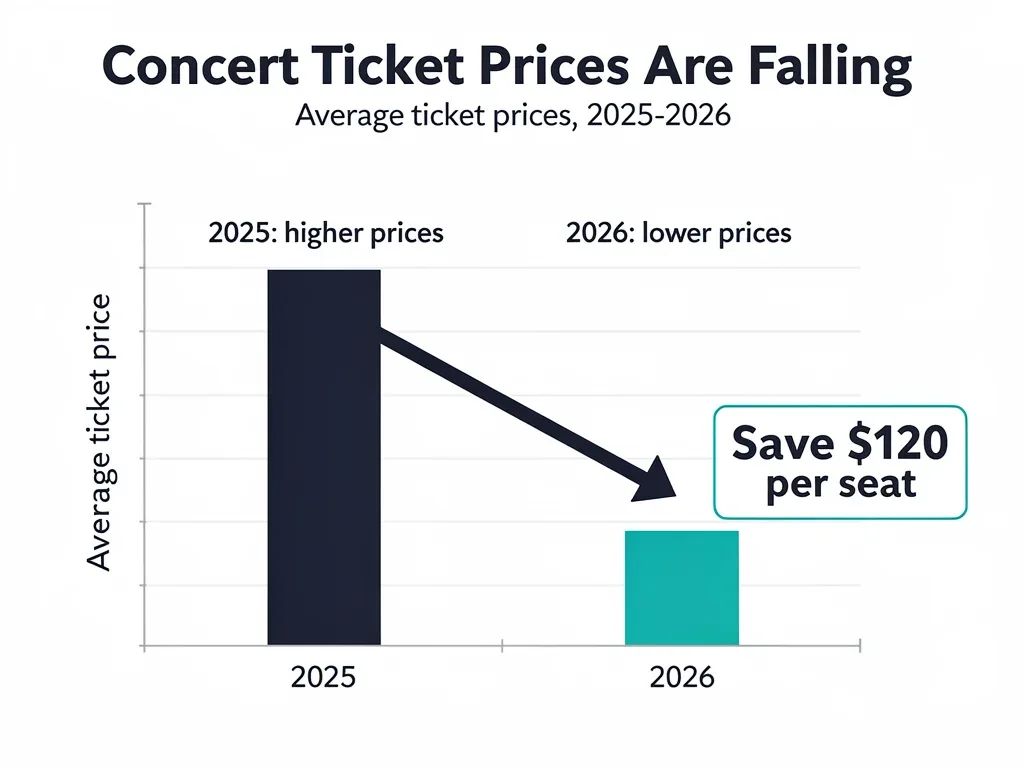
The most immediate and celebrated outcome of the 2026 regulations has been the significant financial relief for concertgoers. Data collected since the implementation of the new rules reveals an average saving of $120 per ticket. This substantial reduction is a direct result of the elimination of dynamic pricing and the cap on resale markups, allowing fans to enjoy their favorite artists without breaking the bank.
This saving is not merely a statistical anomaly; it represents real money back in the pockets of consumers. For many, this means the difference between attending one concert a year and being able to afford two or even three. It also impacts ancillary spending, as fans now have more disposable income for merchandise, concessions, and transportation, thereby stimulating local economies around event venues.
How the $120 Saving Breaks Down
- Elimination of Surge Pricing: No more last-minute price hikes based on demand, ensuring a stable cost.
- Reduced Secondary Market Markups: The resale cap directly cuts down on the exorbitant prices charged by scalpers.
- Transparent Fee Disclosure: Knowing the full cost upfront prevents unexpected charges, contributing to overall savings.
- Increased Accessibility: More affordable tickets mean more people can attend, spreading the cultural impact of live music.
The psychological impact of these savings is equally important. Fans no longer feel exploited or rushed into purchasing. The buying process has become more predictable and less stressful, allowing for a more enjoyable overall experience from the moment tickets go on sale. This newfound financial breathing room has revitalized the concert-going culture, making it a more inclusive and less exclusive endeavor. The $120 saving is a clear testament to the power of effective regulation in safeguarding consumer interests.
Beyond the Price Tag: The Broader Impact on the Live Event Ecosystem
The death of dynamic ticket pricing and the introduction of the 2026 rules have had far-reaching consequences beyond just the price per seat. The entire live event ecosystem, from artists and venues to local businesses, has experienced a ripple effect. Artists, who were once concerned about their fans being priced out, now see a renewed connection with their audience, fostering greater loyalty and engagement.
Venues are reporting more consistent attendance rates, as the predictability of ticket prices encourages more people to plan and purchase tickets in advance. This stability benefits operational planning and reduces the risk of unsold seats due to prohibitive pricing. Furthermore, the reduction in predatory reselling has restored a sense of integrity to the ticketing process, building greater trust between fans and official vendors.
Positive Ecosystem Changes
- Enhanced Fan Loyalty: Affordable tickets strengthen the bond between artists and their audience.
- Stable Venue Attendance: Predictable pricing leads to more consistent and reliable event attendance.
- Reduced Scalping: Resale caps significantly diminish the profitability of illicit ticket reselling.
- Fairer Distribution: More fans have access to tickets at face value, rather than a select few willing to pay exorbitant amounts.
- Economic Boost for Local Businesses: Increased disposable income for concertgoers translates to more spending at local restaurants, bars, and shops near venues.
The transformation has also encouraged innovation in how tickets are sold and distributed. Ticketing platforms are now focusing on value-added services and fan experience rather than simply managing price fluctuations. This shift indicates a healthier, more sustainable future for the live entertainment industry, where the focus is firmly on the fan and the art, not just profit maximization. The 2026 rules have catalyzed a more equitable and vibrant cultural landscape, proving that consumer protection can coexist with a thriving industry.
Challenges and Adaptations: Navigating the New Normal
While the 2026 regulations have been largely celebrated, their implementation wasn't without its challenges. The ticketing industry, accustomed to the flexibility and revenue potential of dynamic pricing, had to undergo significant adaptations. Many platforms and promoters initially expressed concerns about potential revenue losses and the complexity of adjusting their business models. However, the long-term benefits of a more stable and fan-friendly market are now becoming evident.
Artists and their management teams have also had to recalibrate their touring strategies. Instead of relying on fluctuating prices to maximize profit, they now focus more on optimizing venue capacities, tour routing, and offering tiered pricing structures with clear, fixed costs. This has led to more thoughtful planning and, in some cases, more creative approaches to fan engagement and VIP packages that offer genuine value rather than just inflated access.
Industry Adaptations to the New Rules
- Revised Revenue Models: Companies are exploring alternative revenue streams, such as premium fan experiences or merchandise bundles.
- Technological Overhauls: Ticketing platforms invested in new systems to manage fixed pricing, resale caps, and enhanced anti-bot measures.
- Increased Transparency: A greater emphasis on upfront pricing and clear communication with consumers has become standard practice.
- Strategic Tour Planning: Artists and promoters are now focusing on maximizing attendance through effective marketing and optimal venue selection, rather than relying on price manipulation.
The initial resistance from some industry players has largely subsided as they adapt to the new normal. The market has shown resilience, and the increased fan satisfaction has proven to be a powerful long-term asset. The shift has underscored the importance of balancing commercial interests with consumer welfare, proving that a regulated market can still be highly profitable and innovative. The challenges faced during this transition period ultimately paved the way for a more robust and equitable industry.
The Future of Concert-Going: Accessibility and Fair Play
With the 2026 rules firmly in place, the future of concert-going looks significantly brighter for fans. The era of unpredictable and often extortionate ticket prices is largely behind us, replaced by a system that champions accessibility and fair play. The average saving of $120 per seat is a powerful indicator of this transformation, allowing more people to experience the magic of live music without financial strain. This shift reinforces the idea that cultural experiences should be within reach for a broader audience, not just a privileged few.
Looking ahead, the success of these regulations could inspire similar reforms in other industries plagued by dynamic pricing or lack of transparency. The precedent set by the live event sector demonstrates that strong consumer protection measures can indeed lead to a healthier market for both consumers and ethical businesses. This new paradigm fosters a more trusting relationship between artists, venues, and their audiences, ensuring that the focus remains on the shared experience of music and performance.
Key Trends for the Future
- Continued Price Stability: Fans can expect more consistent and predictable ticket prices for future events.
- Enhanced Fan Experiences: Industry focus will shift towards creating unique, value-driven experiences beyond just the ticket price.
- Further Anti-Scalping Measures: Ongoing development of technologies and policies to combat illicit resale activities.
- Potential Expansion of Regulations: Other sectors might adopt similar fair pricing models, inspired by the success in live events.
The death of dynamic ticket pricing is more than just a regulatory change; it's a cultural victory. It signifies a collective decision to prioritize the fan experience and uphold the integrity of live entertainment. The $120 saving per seat is a tangible benefit that resonates deeply, making concerts more accessible and enjoyable for everyone. This new chapter promises a more equitable and vibrant future for the pop culture landscape.
| Key Point | Brief Description |
|---|---|
| Dynamic Pricing End | New 2026 rules eliminated real-time fluctuating ticket prices. |
| $120 Per Seat Saved | Concertgoers now save an average of $120 per ticket due to fixed pricing. |
| Resale Price Caps | Regulations limit secondary market markups to prevent scalping. |
| Increased Accessibility | Fairer prices make live events more accessible to a wider audience. |
Frequently Asked Questions About New Ticket Pricing
What exactly was dynamic ticket pricing?▼Dynamic ticket pricing was a system where ticket prices for live events fluctuated in real-time based on demand, similar to airline or hotel pricing models. This often led to significant price increases as an event sold out or generated more interest, frustrating many fans.
How much did concertgoers save on average after the 2026 rules?▼Following the implementation of the new 2026 regulations, concertgoers in the United States saved an average of $120 per ticket. This substantial saving is a direct result of the fixed-price mandate and caps on secondary market markups.
What are the key features of the new 2026 ticket regulations?▼The core features include a fixed-price guarantee for initial sales, strict caps on resale markups (typically 10-15% above face value), full upfront disclosure of all fees, and enhanced measures to combat automated ticket purchasing bots.
How do these rules impact the secondary ticket market?▼The new rules significantly curb the profitability of the secondary ticket market by imposing strict price caps on resales. This prevents scalpers from charging exorbitant markups, ensuring that tickets remain affordable even when purchased from unofficial channels.
Will these new regulations affect other industries beyond concerts?▼The success of the 2026 concert ticket regulations could set a precedent for similar consumer protection measures in other industries that utilize dynamic pricing. This might include sports events, theater, or even travel, promoting greater transparency and fairness across various sectors.
Conclusion
The advent of the 2026 regulations, effectively signaling the death of dynamic ticket pricing, has ushered in a new era of fairness and accessibility for concertgoers. The average saving of $120 per seat is a clear, quantifiable benefit that has resonated deeply with fans, making live music experiences more attainable for a broader audience. This legislative triumph not only addresses long-standing consumer grievances but also fosters a healthier, more transparent live event ecosystem. The industry's adaptation, though challenging at first, has ultimately led to a more sustainable model where fan satisfaction and fair play are paramount, ensuring that the magic of live performances remains within reach for everyone.
