Digital Sunset Habits: From Burnout to Balance Protocol
Advertisements
Implementing a 3-step protocol for digital sunset habits is crucial for moving from burnout to balance, allowing individuals to reclaim evenings, reduce screen time, and foster improved mental and physical well-being.
In our hyper-connected world, the lines between work and personal life often blur, leading many to experience digital fatigue and burnout. This article explores how adopting a practical 3-step protocol for implementing digital sunset habits can be a powerful antidote, helping you reclaim your evenings and achieve a healthier work-life balance.
Understanding the Digital Burnout Phenomenon
The constant demands of digital connectivity have created a new form of exhaustion, often termed digital burnout. This isn't just about feeling tired; it's a pervasive sense of mental, emotional, and physical depletion caused by prolonged and excessive engagement with digital devices and online environments. The always-on culture, driven by smartphones, emails, and social media, has eroded the natural boundaries between our professional and personal lives, leading to a state where true disconnection feels almost impossible. Recognizing the symptoms of digital burnout is the first critical step toward addressing it, as many individuals might be experiencing it without fully understanding its roots.
The impact of digital burnout extends far beyond mere fatigue. It can manifest as chronic stress, anxiety, difficulty concentrating, sleep disturbances, and even physical ailments like headaches and eye strain. The continuous influx of information and the pressure to respond instantly create a perpetual state of alert, preventing our minds from truly resting and recharging. This constant engagement also diminishes our capacity for deep work and meaningful interactions, as our attention is frequently fragmented. Furthermore, the blurring of work and home life can strain relationships and reduce participation in hobbies and activities that once brought joy and relaxation.
The Pervasive Nature of Digital Demands
Digital demands are insidious, often creeping into our lives under the guise of productivity or social connection. What starts as a quick check of emails can quickly spiral into hours of work-related tasks, while a casual scroll through social media can lead to endless comparison and self-doubt. The ubiquitous nature of digital devices means that these demands are present almost everywhere, from our pockets to our bedside tables, making it incredibly difficult to escape their pull. This constant availability fosters an expectation of immediate response, creating a feedback loop of pressure and engagement that is hard to break.
- Work-Life Blurring: The expectation to be available 24/7 for professional communications.
- Information Overload: Constant influx of news, updates, and notifications from various platforms.
- Social Comparison: The psychological toll of constantly viewing curated highlight reels of others' lives.
- Attention Fragmentation: Reduced ability to focus on single tasks due to frequent digital interruptions.
Addressing digital burnout requires a conscious effort to establish boundaries and cultivate habits that promote disengagement. It's about recognizing that our brains need downtime just as much as our bodies, and that true rest often means stepping away from screens. Understanding this foundational concept paves the way for implementing strategies that effectively combat the draining effects of our digital lives, moving us towards a more balanced and sustainable existence. The goal isn't to abandon technology entirely, but rather to use it intentionally and with respect for our own well-being.
Step 1: Define Your Digital Sunset Threshold
The first crucial step in our protocol for implementing effective digital sunset habits is to clearly define your personal digital sunset threshold. This isn't a one-size-fits-all rule; it's a deeply personal decision that depends on your work schedule, family commitments, and individual energy levels. Your digital sunset threshold represents the specific time each day when you commit to disengaging from non-essential digital devices and work-related communications. Establishing this boundary is paramount, as it creates a clear demarcation between your productive day and your restorative evening. Without a defined threshold, the temptation to check one last email or scroll through one more feed remains ever-present, undermining any attempts at digital detachment.
To effectively define your threshold, consider what time allows you to complete your essential tasks without feeling rushed, while also leaving ample time for personal activities before bed. For some, this might be 6 PM, for others, 8 PM. The key is consistency and realism. Choose a time you genuinely believe you can adhere to most days, and then commit to it. This commitment is not about deprivation; it's about empowerment—taking control of your time and attention rather than letting digital demands dictate your life. This boundary acts as a protective shield, safeguarding your evenings for rest, rejuvenation, and genuine connection.
Assessing Your Current Digital Habits
Before you can set an effective threshold, it's beneficial to conduct a brief audit of your current digital habits. For a few days, simply observe when and how you use your devices, particularly in the evenings. Are you checking work emails right before bed? Do you find yourself endlessly scrolling social media during dinner? This awareness is not about judgment, but about understanding your baseline behavior. Once you have a clear picture, you can identify patterns that contribute to burnout and pinpoint the areas where a digital sunset will have the most significant impact.
- Track Screen Time: Use built-in phone features or apps to monitor your daily device usage.
- Identify Triggers: Note what situations or emotions lead you to pick up your phone or open your laptop.
- Evaluate Necessity: Distinguish between essential digital tasks and habitual, often unconscious, engagement.
Once you've set your digital sunset time, communicate it to relevant people. Inform colleagues that you will not be responding to non-urgent emails after a certain hour, and let family and friends know that your evenings are reserved for non-digital activities. This communication helps manage expectations and reinforces your commitment. Remember, consistency is more important than perfection. There might be days when you need to adjust your threshold due to unforeseen circumstances, but the goal is to make it a regular practice. This intentional shift in behavior is foundational for building healthier digital habits and fostering a more balanced lifestyle.
Step 2: Curate Your Post-Sunset Activities
Once your digital sunset threshold is firmly established, the next vital step in our protocol is to curate a compelling and fulfilling array of post-sunset activities. The effectiveness of a digital detox isn't just about what you stop doing; it's equally, if not more, about what you start doing. If your evenings become a void, the temptation to revert to digital habits will be strong. Therefore, intentionally filling that time with engaging, restorative, and screen-free activities is crucial for the long-term success of your digital sunset protocol. These activities should be things you genuinely enjoy and that contribute positively to your well-being, replacing the dopamine hits of digital engagement with more sustainable sources of satisfaction.
Think about activities that truly allow your mind to unwind and your body to relax. This could range from creative pursuits to physical activity, social interaction, or quiet contemplation. The goal is to shift your focus from passive consumption to active engagement, fostering a sense of presence and connection with the real world. Experiment with different activities to discover what resonates most with you. What might be restorative for one person could be draining for another. The key is personalization and genuine enjoyment, ensuring your evenings become something you look forward to, rather than just a period of digital abstinence.
Embracing Analog Pursuits and Hobbies
One of the most effective ways to fill your post-sunset hours is by rediscovering or developing analog hobbies. These activities often require focused attention and manual engagement, providing a stark contrast to the passive nature of screen time. Engaging in hobbies can be incredibly therapeutic, offering a sense of accomplishment and a creative outlet that digital platforms often fail to provide. Consider activities that you once loved but set aside due to lack of time, or explore entirely new interests that pique your curiosity.
- Reading Physical Books: Immerse yourself in a story or learn something new without the distractions of a backlit screen.
- Creative Arts: Engage in painting, drawing, knitting, playing a musical instrument, or writing in a journal.
- Board Games or Puzzles: Enjoy interactive, strategy-based fun with family or friends.
- Cooking or Baking: Experiment with new recipes, creating something tangible and delicious.

Beyond structured hobbies, incorporate simple, restorative practices into your evening routine. This could include a leisurely walk, gentle stretching or yoga, meditation, or simply having a meaningful conversation with loved ones without the interruption of phones. Prioritize activities that foster genuine connection, both with yourself and with others. The aim is to create an environment that signals to your brain that the workday is truly over, allowing for deeper relaxation and improved sleep quality. By actively curating your post-sunset time, you transform a period of potential temptation into an opportunity for genuine self-care and rejuvenation, moving further along the path from burnout to balance.
Step 3: Establish a Consistent Wind-Down Routine
The final, yet equally critical, step in our practical 3-step protocol for implementing digital sunset habits is to establish a consistent wind-down routine. A digital sunset isn't just about turning off devices; it's about preparing your mind and body for restful sleep and deep rejuvenation. A well-structured wind-down routine acts as a bridge between your active day and restorative night, signaling to your system that it's time to transition from high alert to calm. Without this intentional routine, the benefits of digital disconnection might be diminished, as your mind could still be racing from the day's events or the lingering effects of screen exposure. This routine is your personal nightly ritual, designed to promote relaxation and enhance sleep quality, which is fundamental to combating burnout.
Your wind-down routine should ideally begin at least 60 to 90 minutes before your target bedtime, allowing ample time for your body to produce melatonin and your mind to quiet down. Consistency is paramount here; performing the same sequence of calming activities each night helps to reinforce the signal to your brain that sleep is approaching. This ritualistic approach creates a powerful association between these actions and relaxation, making it easier to fall asleep and stay asleep. Experiment with different elements to find what works best for you, creating a personalized sequence that feels both comforting and effective.
Key Components of an Effective Wind-Down
An effective wind-down routine typically involves a combination of activities that promote physical and mental relaxation. The absence of screens during this period is non-negotiable, as the blue light emitted by devices can interfere with melatonin production and keep your brain artificially alert. Instead, focus on activities that soothe your senses and gently detach you from the day's stressors.
- Warm Bath or Shower: The drop in body temperature after a warm soak can promote drowsiness.
- Gentle Stretching or Yoga: Release physical tension and calm your nervous system.
- Reading a Physical Book: Engage your mind in a story without the stimulating effects of a backlit screen.
- Mindful Meditation or Deep Breathing: Focus on your breath to quiet racing thoughts and reduce stress.
- Journaling: Write down thoughts, concerns, or gratitudes to clear your mind before sleep.
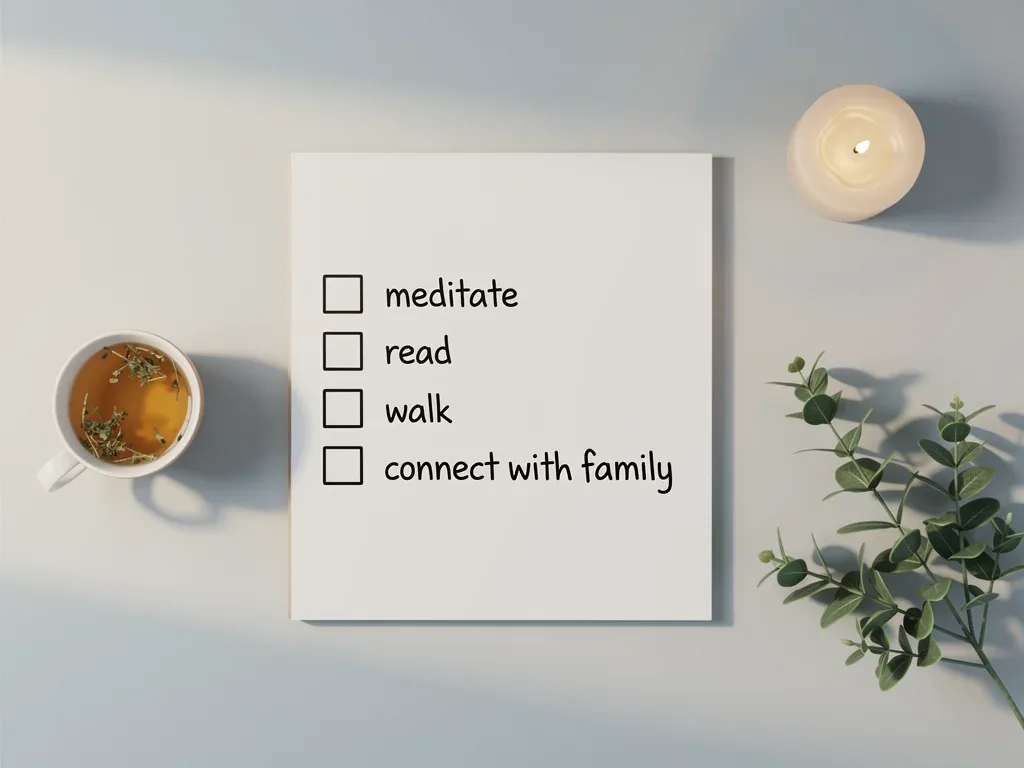
Creating a soothing environment is also a critical aspect of your wind-down routine. Dim the lights, use essential oil diffusers with calming scents like lavender, and ensure your bedroom is cool, dark, and quiet. Avoid stimulating beverages like caffeine or excessive alcohol in the evening, as they can disrupt sleep architecture. Over time, this consistent wind-down routine will not only improve your sleep quality but also enhance your overall sense of well-being, making the transition from digital overload to peaceful rest a natural and deeply satisfying part of your daily life. By integrating this step, you solidify your commitment to balance and significantly reduce the likelihood of burnout.
Overcoming Common Challenges and Maintaining Momentum
Implementing a new protocol, especially one that challenges deeply ingrained digital habits, is rarely without its obstacles. You might encounter resistance from within yourself, or from external pressures. Understanding these common challenges and developing strategies to overcome them is crucial for maintaining momentum and ensuring the long-term success of your digital sunset habits. It’s not just about starting; it’s about sustaining the change even when motivation wanes or unexpected situations arise. Anticipating these hurdles allows you to build resilience and adapt your approach, rather than abandoning your efforts entirely.
One of the most frequent challenges is the feeling of missing out (FOMO) or the anxiety that important information might be missed. This often stems from a fear of being less productive or less connected. Another significant hurdle is the sheer force of habit; picking up your phone or checking email can be an almost automatic response after years of conditioning. External pressures, such as urgent work requests or social expectations, can also make adherence difficult. Recognizing these patterns and preparing for them will empower you to navigate them more effectively, reinforcing your commitment to a healthier digital boundary.
Strategies for Sustained Success
To overcome these challenges, a multifaceted approach is often most effective. Start by being kind to yourself; perfection is not the goal. Small, consistent steps are more valuable than sporadic, intense efforts. Celebrate your successes, no matter how minor, to reinforce positive behavior. Gradually increasing your digital-free time can also be more sustainable than an abrupt, drastic change. The key is to build a system that supports your new habits rather than relying solely on willpower, which can be a finite resource.
- Communicate Boundaries: Clearly inform colleagues and friends about your digital sunset times to manage expectations.
- Create a 'Digital Hub': Designate a specific place where devices are charged and left overnight, away from the bedroom.
- Find an Accountability Partner: Share your goals with a friend or family member who can offer support and encouragement.
- Use Technology Mindfully: Leverage 'do not disturb' modes or app timers to help enforce your boundaries.
Another powerful strategy is to continuously remind yourself of the 'why' behind your digital sunset habits. Is it for better sleep, reduced stress, more quality time with family, or a return to beloved hobbies? Reconnecting with these core motivations can reignite your commitment when challenges arise. Furthermore, be prepared for occasional slip-ups. Instead of viewing them as failures, see them as learning opportunities. Analyze what led to the deviation, adjust your strategy if necessary, and recommit the next day. By proactively addressing potential difficulties and cultivating a resilient mindset, you can successfully integrate digital sunset habits into your life, moving confidently from burnout to sustained balance and well-being.
The Profound Benefits of Digital Disconnection
The journey from burnout to balance through implementing digital sunset habits, is more than just a temporary fix; it's a fundamental shift towards a more intentional and fulfilling way of living in our increasingly digital world. By defining a clear digital sunset threshold, curating engaging screen-free activities, and establishing a consistent wind-down routine, you are not merely avoiding the pitfalls of constant connectivity, but actively cultivating a life rich in genuine connection, profound rest, and sustained well-being. This practical 3-step protocol empowers you to reclaim your evenings, sharpen your focus, and nurture your mental and physical health, proving that a balanced digital future is not only achievable but essential for thriving in the modern age. Embrace this change, and witness the transformative power of purposeful disconnection.
One of the most immediate and noticeable benefits is a dramatic improvement in sleep quality. By reducing exposure to blue light and allowing your mind to unwind without digital stimulation, you facilitate the natural production of melatonin, leading to deeper, more restorative sleep. This, in turn, boosts energy levels, improves mood, and enhances cognitive function during the day. Beyond sleep, digital disconnection significantly reduces stress and anxiety. The constant alerts and demands of the digital world contribute to a perpetual state of low-level stress, and stepping away provides a much-needed respite, allowing your nervous system to calm and reset. This reduction in stress is foundational for mental clarity and emotional resilience.
Enhanced Relationships and Personal Growth
The benefits extend beyond individual well-being to enrich your relationships and foster personal growth. When you're not constantly distracted by your devices, you become more present and engaged in conversations with family and friends. This undivided attention strengthens bonds, deepens understanding, and creates more meaningful shared experiences. It allows for genuine human connection, which is often diluted in a digitally saturated environment. Moreover, reclaiming your evenings opens up time for self-reflection, learning, and pursuing passions that have long been neglected.

- Improved Mental Clarity: Reduced digital noise allows for clearer thinking and better decision-making.
- Increased Creativity: Downtime and boredom can spark innovative ideas and imaginative thought.
- Stronger Personal Connections: Focused interactions with loved ones lead to deeper, more satisfying relationships.
- Greater Self-Awareness: More time for introspection, journaling, and understanding your own needs and desires.
Ultimately, digital disconnection empowers you to live a more intentional and fulfilling life. It shifts your focus from external digital validation to internal well-being and real-world experiences. By dedicating time each evening to activities that nourish your mind, body, and soul, you cultivate a sense of balance and contentment that is sustainable and deeply satisfying. This isn't about rejecting technology entirely, but about mastering its use so that it serves you, rather than controlling you. The profound benefits of these digital sunset habits underscore their importance as an essential tool for navigating the complexities of modern life and achieving lasting well-being. It’s an investment in your mental health, your relationships, and your overall happiness, proving that sometimes, the best connection is no connection at all.
Integrating Digital Sunset Habits into a Busy Lifestyle
The idea of implementing digital sunset habits often meets with the practical challenge of a busy lifestyle. Many people feel that their schedules are too demanding to carve out dedicated screen-free time, especially in the evenings. However, integrating these habits successfully doesn't require a complete overhaul of your life; rather, it's about strategic planning, small adjustments, and a shift in perspective. The key is to view digital disconnection not as an added burden, but as an essential component of productivity and well-being that ultimately enhances your capacity to handle a busy life more effectively. It’s about working smarter, not just harder, and recognizing that rest is a performance enhancer, not a luxury.
Start by identifying pockets of time that can be repurposed. Even 30 minutes of intentional digital disconnection can make a significant difference. Perhaps it's the hour before bed, or the time immediately after dinner. Instead of thinking of it as 'finding' extra time, consider it 'reclaiming' time that is currently consumed by passive digital engagement. This reframing helps to prioritize the habit. Furthermore, involve your household in the process. If everyone in the family participates in a digital sunset, it creates a supportive environment and reduces the likelihood of individual backsliding. Collective commitment makes the transition smoother and more enjoyable for all.
Practical Tips for Seamless Integration
To seamlessly integrate digital sunset habits, focus on practical, actionable strategies that fit within your existing routines. Start small and build up gradually. For instance, begin by committing to a 30-minute digital-free period and slowly extend it as you become more comfortable. Automating certain aspects can also be helpful, such as setting your phone to 'do not disturb' at a specific time each evening or using smart plugs to turn off Wi-Fi routers.
- Schedule It: Treat your digital sunset time as a non-negotiable appointment in your daily calendar.
- Prepare in Advance: Complete urgent digital tasks before your sunset threshold to avoid last-minute temptations.
- Create a 'Go-To' Activity List: Have a list of pre-planned, screen-free activities ready for when you disconnect.
- Designate a Charging Station: Keep all devices in a central location, preferably outside the bedroom, after your sunset time.
Moreover, be flexible and forgiving. There will be days when unforeseen circumstances or genuine emergencies require you to break your digital sunset. The goal is not perfection, but consistent effort. When deviations occur, simply acknowledge them and return to your routine the next day without self-reproach. Regularly review your progress and adjust your approach as needed. Perhaps you discover that a certain activity is more restorative than another, or that your ideal sunset time needs a slight tweak. By approaching digital sunset habits with intention, adaptability, and a commitment to self-care, you can successfully integrate them into even the busiest lifestyle, transforming evenings into a source of peace and rejuvenation, and ultimately, moving from chronic burnout to sustainable balance.
| Key Aspect | Brief Description |
|---|---|
| Digital Burnout | Mental and physical exhaustion from excessive digital engagement. |
| Sunset Threshold | Personalized time to disengage from non-essential digital devices. |
| Curated Activities | Engaging, screen-free pursuits to fill post-sunset hours meaningfully. |
| Wind-Down Routine | Consistent nightly rituals to prepare mind and body for restful sleep. |
Frequently Asked Questions About Digital Sunset Habits
What exactly are digital sunset habits?▼Digital sunset habits are intentional practices of disengaging from digital devices and work-related communications at a specific time each evening. They aim to create a clear boundary between work and personal life, promoting relaxation, better sleep, and overall well-being by reducing screen time before bed.
Why is a digital sunset important for preventing burnout?▼A digital sunset helps prevent burnout by allowing the mind to fully disconnect and recharge. Constant digital engagement leads to mental fatigue, stress, and poor sleep. By creating a digital-free evening, individuals can reduce cognitive load, decrease anxiety, and foster restorative rest, crucial for long-term well-being.
How do I choose the right digital sunset threshold for myself?▼Choosing your digital sunset threshold involves assessing your work schedule, personal commitments, and energy levels. Select a realistic time that allows you to complete essential tasks while leaving ample time for screen-free activities before bed. Consistency is more important than an overly ambitious early time.
What are some effective screen-free activities for evenings?▼Effective screen-free activities include reading physical books, engaging in creative hobbies like painting or knitting, spending quality time with family, taking a leisurely walk, journaling, or practicing meditation. The key is to choose activities that you genuinely enjoy and that promote relaxation and genuine connection.
Can digital sunset habits improve sleep quality?▼Absolutely. Digital sunset habits significantly improve sleep quality by reducing exposure to blue light, which interferes with melatonin production. Disconnecting from screens allows your mind to unwind, decreases mental stimulation, and promotes a natural transition to sleep, leading to deeper and more restorative rest.
Embracing a Balanced Digital Future
The journey from burnout to balance, facilitated by the implementation of digital sunset habits, is more than just a temporary fix; it's a fundamental shift towards a more intentional and fulfilling way of living in our increasingly digital world. By defining a clear digital sunset threshold, curating engaging screen-free activities, and establishing a consistent wind-down routine, you are not merely avoiding the pitfalls of constant connectivity, but actively cultivating a life rich in genuine connection, profound rest, and sustained well-being. This practical 3-step protocol empowers you to reclaim your evenings, sharpen your focus, and nurture your mental and physical health, proving that a balanced digital future is not only achievable but essential for thriving in the modern age. Embrace this change, and witness the transformative power of purposeful disconnection.
