Why 72% of Moviegoers Are Skipping Theaters for Day-45 Digital Releases
Advertisements
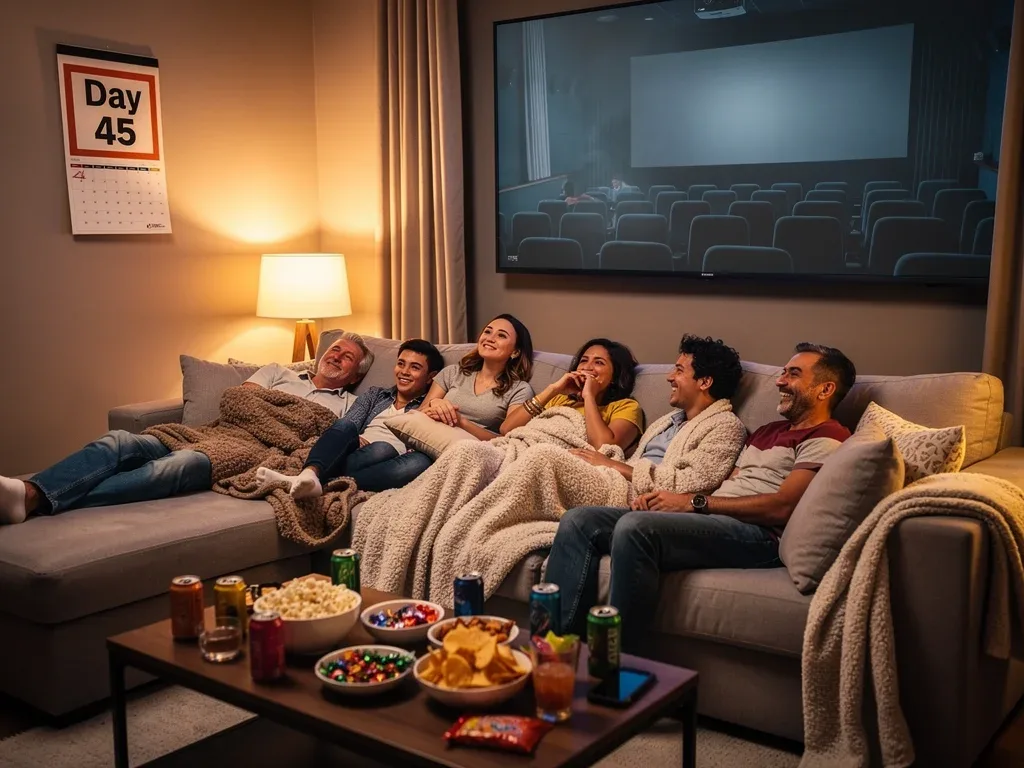
A staggering 72% of moviegoers are now choosing to bypass traditional cinemas in favor of day-45 digital releases by 2026, fundamentally reshaping the film industry's distribution models and consumer viewing habits.
The cinematic landscape is undergoing a monumental shift, as evidenced by a compelling statistic: a remarkable 72% of moviegoers are skipping theaters for day-45 digital releases in 2026. This isn't just a fleeting trend; it's a profound reorientation of how audiences choose to consume new film content, driven by a confluence of technological advancements, evolving consumer expectations, and economic considerations. But what exactly is fueling this dramatic exodus from the big screen to the comfort of home?
The Evolution of Movie Consumption: From Theaters to Home
For decades, the theatrical release was the undisputed cornerstone of the film industry. It was an event, a communal experience that defined moviegoing. However, the advent of streaming services, coupled with significant global events, has accelerated a paradigm shift. Audiences are increasingly prioritizing convenience, accessibility, and personal comfort, leading to a substantial preference for home viewing options.
This transition isn't merely about watching a movie at home; it's about the entire ecosystem of entertainment consumption. The traditional window for theatrical exclusivity has been shrinking, and the day-45 digital release model has emerged as a compelling alternative, offering new films to a broader audience much sooner than ever before. This model allows studios to capitalize on initial theatrical buzz while quickly moving to a highly profitable digital distribution phase.
The Shifting Release Windows
The standard 90-day theatrical window, once sacrosanct, began to erode even before 2020. Studios, eager to adapt to changing market dynamics and maximize revenue streams, experimented with shorter windows. The day-45 model represents a sweet spot, providing enough time for initial box office returns while still capturing audience interest before piracy becomes a significant threat or word-of-mouth wanes.
- Pre-Pandemic Norms: Typically 90-day exclusive theatrical runs.
- Pandemic Acceleration: Hybrid releases and simultaneous streaming debuts became common.
- Post-Pandemic Evolution: Day-45 digital releases gain mainstream acceptance.
The success of these shorter windows has fundamentally altered studio strategies, proving that a rapid transition to digital can be both lucrative and responsive to consumer demand. It underscores a fundamental re-evaluation of what constitutes a "premium" viewing experience.
Ultimately, the industry is recognizing that forcing audiences into a rigid theatrical-first model is no longer sustainable in an era where instant gratification and personalized experiences are paramount. The shift reflects a dynamic marketplace where flexibility and consumer choice are key drivers of success.
Economic Factors Driving the Digital Shift
Cost is an undeniable factor in consumer decisions, and the economics of moviegoing have become increasingly prohibitive for many. A trip to the cinema for a family or even a couple can quickly add up, encompassing ticket prices, concessions, parking, and transportation. In contrast, a single digital rental or purchase can offer entertainment for an entire household at a fraction of the cost, often with the added benefit of multiple viewings.
This economic disparity is not lost on consumers, especially in an environment where household budgets are under constant scrutiny. The perceived value proposition of a day-45 digital release is simply superior for a large segment of the population, making it a rational choice for entertainment spending.
The High Cost of a Night Out
Consider the average cost for a family of four to see a movie in a theater. This can easily exceed $100 once tickets, popcorn, drinks, and other incidentals are factored in. This is a significant outlay for a single entertainment event, especially when compared to the cost of a digital rental, which might be $19.99 for a premium new release. The value proposition is clear.
- Ticket Prices: Continuously rising, especially for premium formats.
- Concessions: Exorbitant markups on food and beverages.
- Ancillary Costs: Parking, babysitters, and transportation add to the total.
These mounting expenses make a home viewing experience, even for a premium digital rental, a far more attractive and sustainable option for regular movie consumption. The ability to pause, rewind, and watch at one's leisure, combined with the cost savings, creates a compelling argument for staying home.
The economic squeeze has forced many to re-evaluate their discretionary spending, and for a large percentage of moviegoers, the theater experience no longer justifies the financial commitment when a more affordable and convenient alternative exists just weeks later.
The Unrivaled Convenience of Home Entertainment
Perhaps the most compelling reason behind the surge in day-45 digital releases preference is convenience. Modern life is busy, and the idea of adhering to a strict showtime, navigating traffic, finding parking, and dealing with crowds can often outweigh the appeal of the big screen. Home entertainment offers unparalleled flexibility, allowing viewers to watch what they want, when they want, and how they want.
The ability to pause a movie for a snack break, attend to children, or simply stretch one's legs without missing a crucial scene is a luxury that theaters cannot replicate. This level of control over the viewing experience is a powerful draw for today's consumers, who are accustomed to on-demand content across all media.
On-Demand and Personalized Experiences
The personalized nature of home viewing extends beyond just timing. Viewers can choose their preferred seating, adjust audio levels, and even select subtitles or alternative audio tracks with ease. This level of customization contributes significantly to a more comfortable and tailored entertainment experience, something traditional cinemas struggle to provide universally.
- Flexible Scheduling: Watch anytime, day or night.
- Comfort and Privacy: Enjoy movies from your own couch.
- Customizable Experience: Control volume, pauses, and snacks.
The convenience factor is further amplified by the increasing quality of home theater setups. High-definition televisions, surround sound systems, and comfortable furniture have made the home viewing experience incredibly immersive, blurring the lines between a personal screening room and a public cinema.
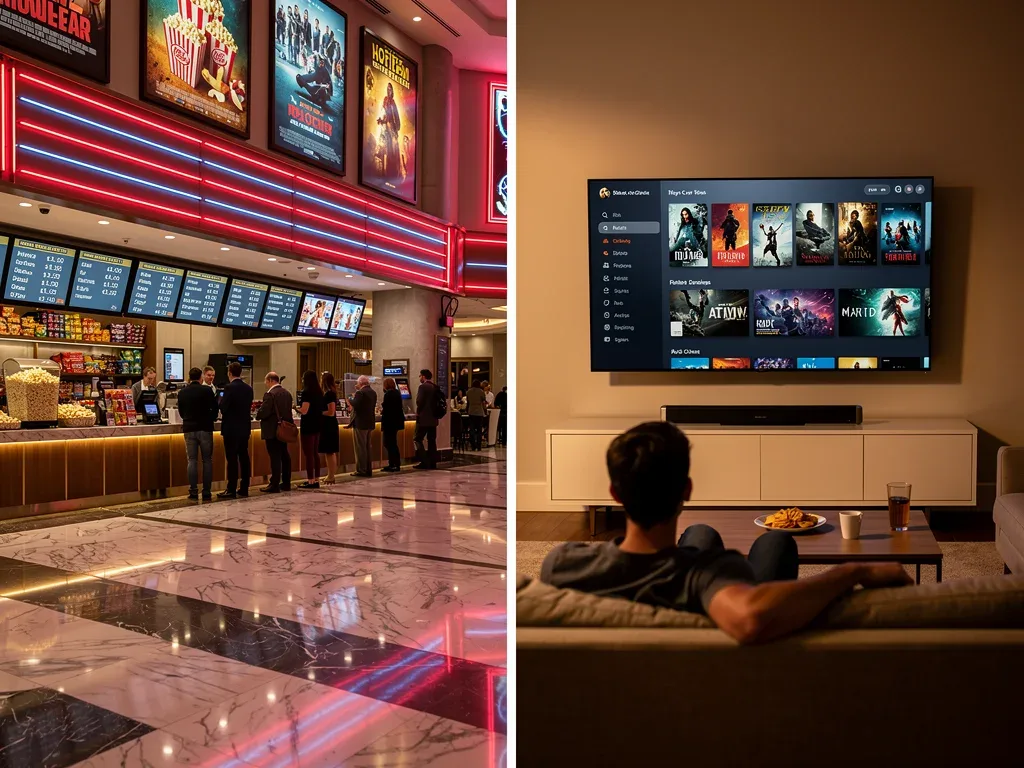
This shift reflects a broader societal trend towards personalization and on-demand services, where consumers expect content to adapt to their lifestyles, not the other way around. The day-45 digital release model perfectly aligns with these modern expectations.
Technological Advancements in Home Entertainment
The quality of home entertainment systems has advanced dramatically in recent years, making the argument for the "cinematic experience" of theaters less compelling for many. High-definition 4K TVs, sophisticated soundbars, and even affordable projector systems can now replicate much of the visual and auditory grandeur once exclusive to movie palaces. This technological leap has significantly narrowed the gap between the theatrical and home viewing experiences.
Furthermore, the ubiquity of high-speed internet and robust streaming platforms ensures that digital releases are delivered with pristine quality, free from buffering or technical glitches. This reliability and quality assurance further bolster the appeal of staying home for new movie releases.
Immersive Home Setups
Modern televisions boast incredible picture clarity, vibrant colors, and deep contrasts, often surpassing the projection quality in many older or less-maintained cinemas. Coupled with accessible surround sound systems, viewers can achieve an immersive audio experience that rivals, or even exceeds, what they might find in a public theater. This makes the home a truly viable alternative for premium content.
- 4K HDR Displays: Stunning visual fidelity at home.
- Dolby Atmos Home Systems: Immersive audio experiences.
- Smart TV Integration: Seamless access to all streaming services.
The continuous innovation in consumer electronics means that the gap will only continue to shrink, making the home a more attractive venue for first-run films. This technological empowerment of the consumer plays a crucial role in the decline of traditional moviegoing.
As home technology becomes more affordable and sophisticated, the unique selling points of traditional cinemas diminish, pushing more moviegoers towards the convenience and quality of day-45 digital releases.
The Impact on the Film Industry and Future Projections
The mass migration to day-45 digital releases has profound implications for the entire film industry, from production studios to local cinemas. Studios are recalibrating their financial models, recognizing that a significant portion of their revenue will now come from digital sales and rentals rather than solely relying on box office performance. This shift necessitates new strategies for marketing, distribution, and even content creation.
For movie theaters, the challenge is existential. They must innovate to offer unique experiences that cannot be replicated at home, or risk becoming obsolete. This could involve enhanced amenities, interactive screenings, or specialized events that transform a simple film viewing into a truly memorable outing.
Reinventing the Cinema Experience
Cinemas are exploring various avenues to entice audiences back, including luxury seating, gourmet food and beverage options, and premium large-format screens with cutting-edge technology. The focus is shifting from merely showing a movie to providing an elevated entertainment experience that justifies the cost and effort.
- Premium Amenities: Reclining seats, dine-in options.
- Eventized Screenings: Q&As with filmmakers, themed nights.
- Technological Upgrades: IMAX, Dolby Cinema, 4DX experiences.
However, these innovations often come with higher ticket prices, potentially alienating the very audience that is already opting for more affordable digital alternatives. The industry faces a delicate balancing act to remain relevant and profitable.
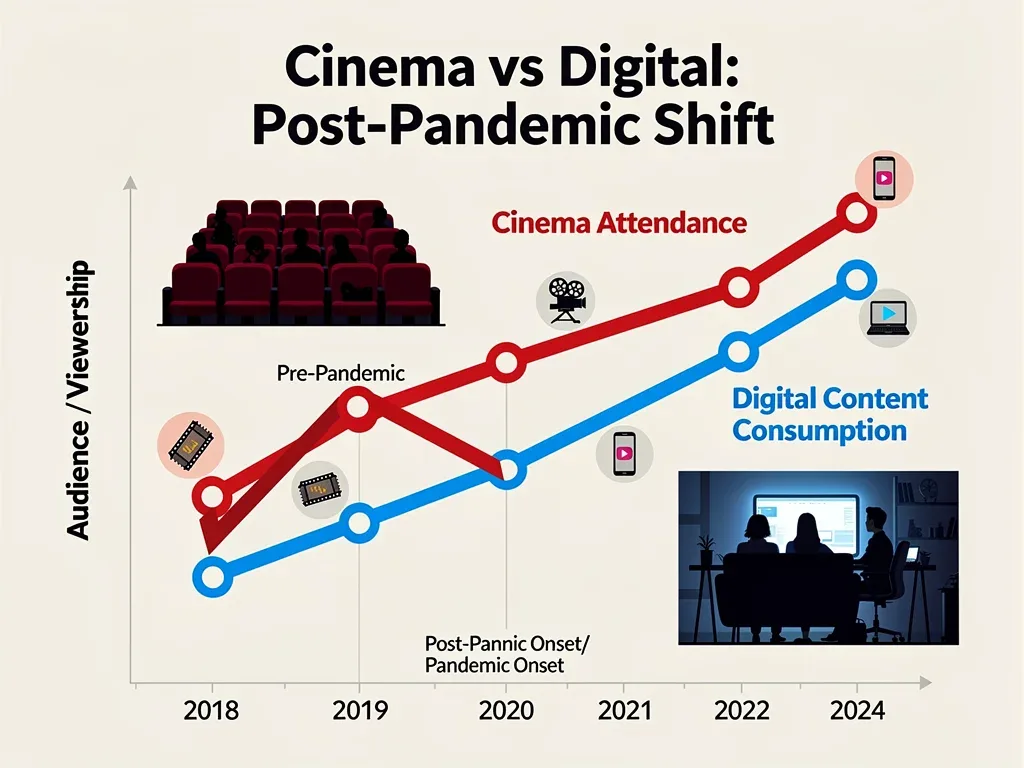
The future of film distribution will likely be a hybrid model, with theaters serving as a premium, event-driven experience, while digital platforms cater to the majority of casual moviegoers seeking convenience and value.
Changing Social Habits and Cultural Norms
Beyond economics and technology, shifting social habits and cultural norms are also significant contributors to the rise of day-45 digital releases. The pandemic accelerated a trend towards home-centric activities, and many people rediscovered the joys of home entertainment. This ingrained habit has persisted, with many finding comfort and satisfaction in their own personal viewing spaces.
Moreover, the communal aspect of moviegoing, while cherished by some, is no longer a universal draw. For many, the desire for a quiet, uninterrupted viewing experience without the distractions of other patrons outweighs the appeal of a shared public space. This individualistic approach to entertainment consumption is a hallmark of modern culture.
The Rise of the Home Bubble
The concept of the 'home bubble' has gained traction, where individuals and families prioritize their immediate environment for relaxation and entertainment. This trend is supported by an abundance of high-quality content available on demand, making it less necessary to venture out for entertainment.
- Comfort of Home: No dress codes, no travel time.
- Reduced Social Anxiety: Avoid crowds and external distractions.
- Family-Friendly Environment: Easier to manage children and diverse preferences.
The cultural shift towards valuing personal space and customized experiences has made the home a formidable competitor to traditional entertainment venues. This is not to say that theaters will disappear, but their role is undoubtedly evolving within a broader entertainment ecosystem.
The convenience and comfort of home, combined with an ever-growing array of digital content, have fundamentally altered societal expectations for how and where we consume movies. This cultural evolution is a powerful force driving the preference for day-45 digital releases.
The Future Landscape: Coexistence and Innovation
The significant preference for day-45 digital releases by 72% of moviegoers in 2026 does not necessarily spell the end for traditional cinemas, but rather signals a necessary evolution. The future likely involves a more nuanced and diversified distribution strategy, where studios carefully weigh the benefits of theatrical exclusivity against the rapid revenue generation and broad reach of digital platforms. The key will be coexistence and continuous innovation from all stakeholders.
Theaters will need to carve out a distinct niche, focusing on premium experiences, special events, and technologies that genuinely cannot be replicated at home. Meanwhile, digital platforms will continue to refine their offerings, potentially exploring new pricing models or interactive features to enhance the home viewing experience even further. The industry is in a state of dynamic adaptation, striving to meet diverse consumer demands.
Hybrid Models and Strategic Releases
Expect to see more sophisticated hybrid release models. Blockbusters designed for the biggest screen will still likely get longer theatrical windows, leveraging the event status. However, mid-tier films and genre features might increasingly opt for shorter windows or even simultaneous digital releases to maximize their audience reach and profitability.
- Tiered Release Strategies: Tailoring distribution to film scale and genre.
- Enhanced Theatrical Experiences: Focusing on unique, unreplicable events.
- Digital Platform Innovation: New features and subscription models for home viewing.
This strategic diversification will allow the film industry to cater to different segments of the audience, ensuring that both the communal magic of the cinema and the convenience of home viewing can thrive. The landscape will be characterized by flexibility and consumer-centric approaches.
Ultimately, the industry's ability to adapt to these evolving preferences will determine its long-term success. The dominance of day-45 digital releases is a clear indicator that consumer choice and convenience are now paramount.
| Key Factor | Impact on Moviegoers |
|---|---|
| Cost Savings | Significantly cheaper than theatrical visits, especially for families. |
| Unmatched Convenience | Watch anytime, anywhere, with full control over the viewing experience. |
| Home Tech Quality | Advanced TVs and sound systems rival or exceed many cinema experiences. |
| Evolving Habits | Cultural shift towards home-centric entertainment and personalization. |
Frequently Asked Questions About Digital Movie Releases
What exactly is a day-45 digital release?▼A day-45 digital release refers to a film becoming available for purchase or rental on digital platforms approximately 45 days after its initial theatrical debut. This shorter exclusive theatrical window allows studios to capitalize on early cinema buzz while quickly moving to a broader, more accessible digital distribution.
Why are so many people choosing digital over theaters?▼Moviegoers are increasingly opting for digital releases due to several factors: significant cost savings compared to theater visits, unparalleled convenience of home viewing, the high quality of modern home entertainment systems, and a general shift in social habits towards home-centric entertainment.
How does this trend impact the film industry?▼This trend forces the film industry to adapt its distribution strategies and revenue models. Studios are exploring new ways to monetize films through digital channels, while cinemas must innovate by offering unique, premium experiences to attract audiences back to the big screen and justify the higher cost.
Will movie theaters disappear because of digital releases?▼While traditional moviegoing is evolving, theaters are unlikely to disappear entirely. They are adapting by focusing on premium experiences, special events, and cutting-edge technology that cannot be replicated at home. The future likely involves a coexistence where theaters offer a distinct, event-driven experience.
What are the benefits of watching new movies at home?▼The benefits include cost-effectiveness, the ability to watch on your own schedule, comfort in your personal space, control over the viewing environment (pauses, volume), and access to a wider variety of snacks and drinks at a lower cost. It offers a highly personalized and flexible entertainment solution.
Conclusion
The seismic shift in moviegoer preferences towards day-45 digital releases by 2026 is an undeniable testament to the evolving dynamics of entertainment consumption. Driven by compelling economic advantages, unparalleled convenience, technological advancements in home viewing, and changing social behaviors, the traditional theatrical model is being profoundly re-evaluated. While cinemas face the imperative to innovate and offer truly unique experiences, the film industry as a whole is adapting to a hybrid future where digital platforms play an increasingly dominant role in how audiences access and enjoy new films. This transformation underscores a consumer-driven landscape where flexibility, value, and personalization are the ultimate determinants of success.
