Breathing Clean Air Indoors: 3 Habits for Home Air Quality in 2026
Advertisements
Maintaining clean indoor air is crucial for health and well-being, yet often overlooked. Simple daily habits can significantly enhance home air quality, protecting against pollutants and allergens.
In an era where we spend up to 90% of our time indoors, the quality of the air we breathe at home has never been more critical. While we often focus on outdoor pollution, the unseen threats lurking within our living spaces can be just as, if not more, detrimental to our health. So, are you breathing clean air indoors? Many assume their homes are safe havens, yet overlooked daily habits can significantly compromise indoor air quality. In 2026, as awareness grows, it's time to re-evaluate our routines and adopt practices that genuinely foster a healthier home environment.
Understanding the Invisible Threat: Indoor Air Pollutants
Before diving into solutions, it's essential to grasp the nature of the problem. Indoor air pollution isn't a singular entity; it's a complex cocktail of particles, gases, and microorganisms that can originate from various sources within our homes. These pollutants, often invisible and odorless, can accumulate to levels far exceeding outdoor concentrations, posing significant health risks over time. Understanding these sources is the first step toward effective mitigation.
The array of indoor air pollutants is surprisingly vast, ranging from microscopic dust mites and pet dander to volatile organic compounds (VOCs) emitted by common household products. Mold spores thrive in damp conditions, while combustion byproducts from cooking or fireplaces can release harmful gases. Even our furniture and building materials can off-gas chemicals, contributing to a less-than-ideal breathing environment. Recognizing these diverse threats helps us implement targeted strategies to improve our home's air quality.
Common Sources of Indoor Air Pollution
- Biological Pollutants: Mold, mildew, dust mites, pet dander, bacteria, and viruses. These often trigger allergies and asthma.
- Chemical Pollutants: VOCs from paints, cleaning supplies, air fresheners, furniture, and building materials. Formaldehyde is a common culprit.
- Combustion Byproducts: Carbon monoxide, nitrogen dioxide, and particulate matter from gas stoves, fireplaces, and tobacco smoke.
- Radon: A naturally occurring radioactive gas that can seep into homes from the ground, posing a serious long-term health risk.
The long-term effects of exposure to these pollutants can manifest in various ways, from respiratory issues and allergies to more severe conditions like heart disease and certain cancers. Children, the elderly, and individuals with pre-existing health conditions are particularly vulnerable. Therefore, proactively addressing indoor air quality isn't just about comfort; it's about safeguarding the health and longevity of everyone under your roof.
In conclusion, acknowledging the pervasive nature of indoor air pollutants is paramount. It’s not just about what you can see, but what you can't. By understanding the common culprits, we can begin to implement daily habits that systematically reduce our exposure and create a healthier indoor atmosphere for ourselves and our families.
Habit 1: Masterful Dusting and Vacuuming Practices
One of the most overlooked yet impactful habits for improving indoor air quality is the way we approach dusting and vacuuming. It's not just about tidiness; it's about removing a significant source of airborne particles before they become a problem. Many traditional cleaning methods can inadvertently redistribute pollutants, making the problem worse rather than better. Adopting smarter techniques can make a world of difference.
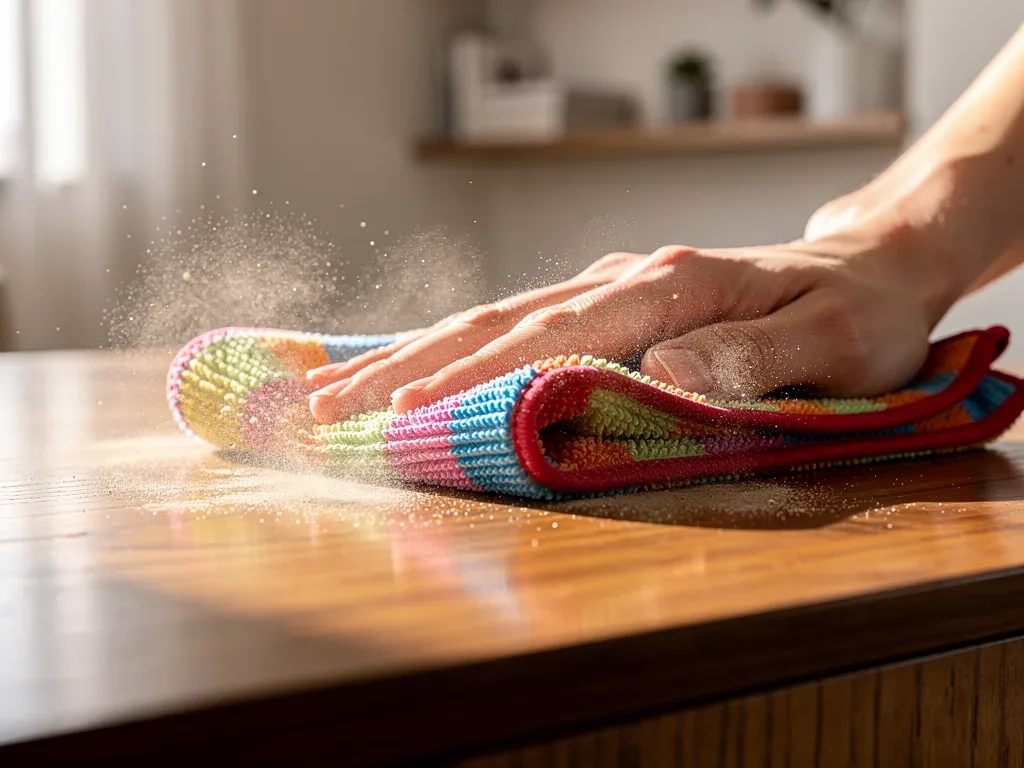
The key to effective dust removal lies in preventing particles from becoming airborne. Dry dusting with feather dusters often just moves dust around, allowing it to settle elsewhere or, worse, be inhaled. The goal is to capture and contain these particles. This means upgrading your tools and refining your technique to ensure dust, allergens, and other microscopic debris are truly eliminated from your home environment.
Optimal Dusting Techniques
- Use Microfiber Cloths: These cloths are designed to trap dust particles, rather than just push them around. Dampen them slightly for even better collection.
- Work from Top Down: Always start dusting from the highest surfaces and work your way down. This ensures that any dislodged dust falls onto surfaces yet to be cleaned, preventing a need for re-dusting.
- Regular Cleaning Schedule: Consistency is key. Dust at least once a week, or more frequently if you have pets or allergies, to prevent significant buildup.
Vacuuming also plays a crucial role, but not all vacuums are created equal. A vacuum cleaner without proper filtration can act as a giant dust blower, recirculating fine particles back into the air. This is especially problematic for those with allergies or respiratory sensitivities. Investing in the right equipment and using it correctly can dramatically reduce the particulate load in your home.
Advanced Vacuuming Strategies
- HEPA Filter Vacuums: Ensure your vacuum cleaner is equipped with a High-Efficiency Particulate Air (HEPA) filter. These filters can capture 99.97% of airborne particles as small as 0.3 microns, including dust mites, pet dander, and pollen.
- Vacuum Slowly and Thoroughly: Don't rush. Move the vacuum slowly over carpets and rugs to allow the suction to effectively pull up embedded dirt and allergens. Overlap your passes to ensure full coverage.
- Regular Filter Maintenance: Clean or replace your vacuum's filter regularly according to the manufacturer's instructions. A clogged filter reduces efficiency and can lead to recirculation of pollutants.
By integrating these masterful dusting and vacuuming practices into your daily or weekly routine, you're not just cleaning your home; you're actively purifying your indoor air. This habit, while seemingly simple, forms a foundational layer of defense against a myriad of airborne irritants and pollutants, contributing significantly to a healthier living space.
Habit 2: Strategic Ventilation and Air Circulation

While cleaning removes pollutants, strategic ventilation and air circulation are about flushing out stale, contaminated air and introducing fresh, outdoor air. In modern, well-sealed homes, indoor air can become stagnant, trapping pollutants and allowing them to accumulate. Many homeowners underestimate the power of simply opening a window or utilizing existing systems to refresh their environment.
Ventilation isn't just about opening a single window; it's about creating cross-ventilation, understanding airflow, and leveraging mechanical systems when natural options aren't sufficient. The goal is to exchange indoor air with outdoor air efficiently, diluting pollutants and reducing their concentration. This habit is particularly important in areas where pollutant sources are high, such as kitchens and bathrooms.
Effective Natural Ventilation Practices
- Cross-Ventilation: Open windows on opposite sides of your home to create a natural airflow path. This allows fresh air to enter and stale air to exit more effectively.
- Daily Airing Out: Even on colder days, opening windows for 5-10 minutes daily can significantly improve air exchange without drastic temperature drops. This is especially beneficial in the mornings.
- Post-Activity Ventilation: After cooking, showering, or using strong cleaning products, open windows and doors to quickly dissipate fumes and humidity.
Beyond natural ventilation, understanding and utilizing your home's mechanical ventilation systems can provide a consistent baseline of fresh air. Exhaust fans in bathrooms and kitchens are not just for removing odors or steam; they are critical components for expelling localized pollutants. Ensuring these systems are used correctly and maintained is a simple yet powerful habit.

Optimizing Mechanical Ventilation and Air Circulation
- Use Exhaust Fans Consistently: Always turn on bathroom fans during and after showers for at least 15-20 minutes to prevent mold and mildew growth. Use kitchen range hoods while cooking to remove smoke, grease, and combustion byproducts.
- HVAC System Management: Ensure your HVAC system is regularly maintained and that air filters are changed every 1-3 months. Consider upgrading to MERV 11 or 13 filters for better particle capture.
- Ceiling Fans for Circulation: While not a ventilation method, ceiling fans can improve air circulation, helping to distribute fresh air more evenly and prevent pockets of stagnant air.
By making strategic ventilation and air circulation a routine habit, you're actively preventing the buildup of indoor pollutants and maintaining a continuous supply of fresh air. This habit is a cornerstone of a healthy indoor environment, working in tandem with cleaning practices to ensure the air you breathe is as pure as possible.
Habit 3: Mindful Product Selection and Usage
The third overlooked habit centers on the products we bring into our homes and how we use them. Many everyday items, from cleaning supplies and air fresheners to furniture and personal care products, can emit volatile organic compounds (VOCs) and other harmful chemicals. Becoming more mindful of what we purchase and how we apply it can drastically reduce chemical exposure and improve indoor air quality.
The allure of strong scents and powerful cleaners often overshadows their potential health implications. These products, while effective for specific tasks, can release a cocktail of chemicals into your indoor environment that can irritate respiratory systems, trigger allergies, and contribute to long-term health issues. Shifting towards greener, low-VOC alternatives is a powerful step towards a healthier home.
Choosing Healthier Home Products
- Opt for Low-VOC Paints and Finishes: When renovating or redecorating, select paints, varnishes, and adhesives labeled as "low-VOC" or "zero-VOC." This significantly reduces chemical off-gassing.
- Natural Cleaning Alternatives: Embrace natural cleaning agents like vinegar, baking soda, and lemon juice. For commercial products, look for certifications like EPA Safer Choice.
- Avoid Synthetic Air Fresheners: Instead of chemical-laden air fresheners, use natural methods to scent your home, such as essential oil diffusers (with pure essential oils) or fresh flowers.
Beyond product selection, how we use these items also matters. Even safer products can become problematic if used improperly or in poorly ventilated areas. Understanding the instructions, ensuring adequate airflow, and storing products correctly are all part of this mindful habit. This extends to personal care products and even the materials your furniture is made from.
Responsible Product Usage and Storage
- Read Labels and Follow Instructions: Pay attention to warning labels and usage instructions, particularly regarding ventilation requirements.
- Ventilate During Use: When using any product that emits fumes, ensure the area is well-ventilated by opening windows or using exhaust fans.
- Proper Storage: Store chemical products in tightly sealed containers in well-ventilated areas, away from living spaces, to prevent off-gassing into your home.
- Consider "Green" Furniture: When purchasing new furniture, look for items made with natural materials, low-VOC finishes, and without formaldehyde-based glues.
By cultivating the habit of mindful product selection and usage, you are actively reducing the chemical burden on your indoor air. This proactive approach not only benefits your respiratory health but also contributes to a more sustainable and environmentally friendly household. It’s a habit that pays dividends for both personal well-being and planetary health.
The Role of Air Purifiers and Houseplants
While the three core habits focus on proactive measures, air purifiers and houseplants can serve as valuable supplementary tools in your quest for cleaner indoor air. They aren't substitutes for reducing sources of pollution or ensuring proper ventilation, but they can significantly enhance the overall air quality, especially in areas with persistent issues or for individuals with heightened sensitivities.
Air purifiers come in various forms, utilizing different technologies to remove pollutants from the air. The most effective models typically incorporate HEPA filters for particulate matter and activated carbon filters for gases and odors. When choosing an air purifier, consider the size of the room, the types of pollutants you're targeting, and the CADR (Clean Air Delivery Rate) rating.
Maximizing Air Purifier Effectiveness
- Strategic Placement: Place air purifiers in rooms where you spend the most time, such as bedrooms and living areas. Ensure they have adequate space around them for optimal airflow.
- Regular Filter Replacement: Adhere strictly to the manufacturer's recommendations for filter replacement. Clogged filters lose efficiency and can even become a source of pollutants themselves.
- Matching CADR to Room Size: Select an air purifier with a CADR rating appropriate for the square footage of your room to ensure effective air changes per hour.
Houseplants, while not as powerful as mechanical air purifiers, can contribute to improved indoor air quality through a process known as phytoremediation. They absorb certain VOCs and release oxygen, adding a natural element of purification to your home. Beyond their air-cleaning capabilities, plants also boost humidity and provide aesthetic benefits, enhancing overall well-being.
Beneficial Houseplants for Air Quality
- Spider Plant: Known for removing formaldehyde and xylene. Easy to care for and prolific.
- Peace Lily: Effective against benzene, formaldehyde, trichloroethylene, and ammonia. Requires moderate light and consistent moisture.
- Snake Plant (Sansevieria): Excellent for filtering benzene, formaldehyde, trichloroethylene, and xylene. Unique in that it releases oxygen at night.
- Boston Fern: A good humidifier and effective at removing formaldehyde. Thrives in humid environments.
Integrating air purifiers and houseplants into your home environment can act as an additional layer of defense against indoor air pollutants. While they don't replace foundational habits like cleaning, ventilation, and mindful product choices, they offer supplementary benefits that can significantly contribute to a fresher, healthier indoor atmosphere.
Monitoring and Maintaining Your Air Quality
Once you've implemented these daily habits, the next logical step is to monitor and maintain your home's air quality over time. This isn't a one-time fix but an ongoing commitment. Understanding how to assess your air quality and recognizing the signs of potential problems can empower you to make informed adjustments and ensure your efforts are consistently effective.
Modern technology offers accessible ways to monitor indoor air quality. From simple CO detectors to more advanced multi-sensor devices, these tools can provide real-time data on various pollutants, allowing you to identify problem areas and react promptly. Beyond gadgets, paying attention to sensory cues can also be a valuable indicator of your home's air health.
Tools and Techniques for Monitoring
- Indoor Air Quality Monitors: Invest in a reliable IAQ monitor that tracks parameters like particulate matter (PM2.5), VOCs, carbon dioxide, temperature, and humidity.
- Carbon Monoxide Detectors: Essential safety devices for any home with combustion appliances. Ensure they are correctly installed and regularly tested.
- Humidity Gauges: Maintaining optimal humidity (30-50%) prevents mold growth and dust mite proliferation. A hygrometer can help you keep track.
Maintenance extends beyond just cleaning and filtering; it involves regularly inspecting your home for potential issues that could compromise air quality. This includes checking for leaks, ensuring proper sealing, and addressing any signs of mold or pest infestations promptly. Proactive maintenance prevents small problems from escalating into significant air quality challenges.
Routine Maintenance for Sustained Clean Air
- Inspect for Leaks and Moisture: Regularly check plumbing, roofs, and basements for leaks. Address any water damage immediately to prevent mold growth.
- Seal Cracks and Gaps: Seal cracks around windows, doors, and foundations to prevent outdoor pollutants and allergens from entering and to improve energy efficiency.
- Professional HVAC Inspection: Schedule annual professional inspections of your heating, ventilation, and air conditioning system to ensure it's operating efficiently and not circulating pollutants.
- Test for Radon: If you live in an area prone to radon, conduct a test. Radon kits are inexpensive and readily available.
By diligently monitoring and maintaining your indoor environment, you establish a robust system for sustained clean air. This continuous vigilance, combined with your daily habits, ensures that your home remains a sanctuary of fresh, healthy air, protecting your family's well-being for years to come. It's a proactive approach to health that pays long-term dividends.
The Long-Term Benefits of Prioritizing Indoor Air Quality
Embracing these daily habits and proactive measures for clean indoor air isn't just about immediate comfort; it's an investment in long-term health and well-being. The cumulative effect of consistently breathing clean air inside your home can profoundly impact various aspects of your life, from physical health to cognitive function and overall quality of life.
The most direct and immediate benefits are often felt in respiratory health. Reducing exposure to allergens, dust, and irritants can significantly alleviate symptoms for individuals with asthma, allergies, and other respiratory conditions. For everyone, it means fewer instances of congestion, sneezing, and coughing, leading to more comfortable daily living and better sleep quality.
Enhanced Health and Well-being
- Improved Respiratory Health: Reduced incidence of allergies, asthma attacks, and other respiratory ailments.
- Better Sleep Quality: Clean air promotes easier breathing and can lead to more restful and restorative sleep.
- Reduced Risk of Chronic Diseases: Long-term exposure to certain pollutants is linked to heart disease and cancer; clean air helps mitigate these risks.
Beyond physical health, the quality of the air we breathe has a subtle yet significant impact on our cognitive abilities and mood. Studies have shown that improved indoor air quality can lead to better concentration, enhanced productivity, and a more positive mental state. This is particularly relevant in 2026, with many still working or studying from home.
Cognitive and Psychological Advantages
- Increased Concentration: Fewer airborne irritants mean less distraction and improved focus for work or study.
- Enhanced Mood: A fresh, clean environment can positively influence mood and reduce feelings of lethargy or irritation.
- Greater Productivity: With better health and concentration, individuals often experience an uplift in their overall productivity and efficiency.
Ultimately, prioritizing indoor air quality transforms your home into a truly healthy living space. It's about creating an environment where you and your family can thrive, free from the invisible threats that can undermine health and vitality. This commitment to clean air is a testament to mindful living and a proactive approach to securing a healthier future. It’s a habit worth cultivating for everyone.
| Key Habit | Brief Description |
|---|---|
| Masterful Cleaning | Use microfiber cloths and HEPA vacuums to effectively capture and remove dust and allergens. |
| Strategic Ventilation | Open windows daily and utilize exhaust fans to flush out stale air and introduce fresh air. |
| Mindful Product Choices | Select low-VOC products and natural alternatives to reduce chemical emissions in your home. |
| Monitoring & Maintenance | Utilize IAQ monitors and perform regular home inspections to sustain clean air. |
Frequently Asked Questions About Indoor Air Quality
How often should I clean my home to improve air quality?▼For optimal indoor air quality, it is recommended to dust and vacuum at least once a week. If you have pets or suffer from allergies, increasing this frequency to two or three times a week can make a significant difference in reducing airborne allergens and dust particles.
Are air fresheners bad for indoor air quality?▼Many conventional air fresheners release volatile organic compounds (VOCs) and other chemicals that can irritate the respiratory system and contribute to indoor air pollution. It's advisable to opt for natural alternatives like essential oil diffusers with pure oils, or simply open windows for fresh air.
What is a HEPA filter and why is it important?▼A HEPA (High-Efficiency Particulate Air) filter is a mechanical air filter that can trap 99.97% of airborne particles 0.3 microns or larger. This includes common allergens like dust mites, pet dander, pollen, and mold spores, making them crucial for effective air purification.
How does ventilation improve indoor air quality?▼Ventilation, both natural (opening windows) and mechanical (exhaust fans), helps to dilute and expel indoor air pollutants, replacing them with fresher outdoor air. This process reduces the concentration of contaminants like VOCs, carbon dioxide, and humidity, preventing their buildup.
Can houseplants really clean the air?▼Yes, certain houseplants can absorb specific volatile organic compounds (VOCs) from the air through a process called phytoremediation. While they are not as effective as mechanical air purifiers, they can contribute to improved air quality and also enhance humidity and overall well-being in your home environment.
Conclusion
Ensuring you are breathing clean air indoors in 2026 is no longer a luxury but a necessity for health and well-being. By adopting just three overlooked daily habits—masterful dusting and vacuuming, strategic ventilation, and mindful product selection—you can significantly transform your home's air quality. These practices, combined with the judicious use of air purifiers and houseplants, and consistent monitoring, create a comprehensive approach to a healthier living environment. The long-term benefits, from improved respiratory health to enhanced cognitive function, underscore the importance of making these changes a permanent part of your lifestyle. Your home should be a sanctuary, and with these actionable steps, you can ensure it remains a place where clean, fresh air is always a given.
