How AI-Generated Cameos Triggered a 60% Audience Backlash
Advertisements
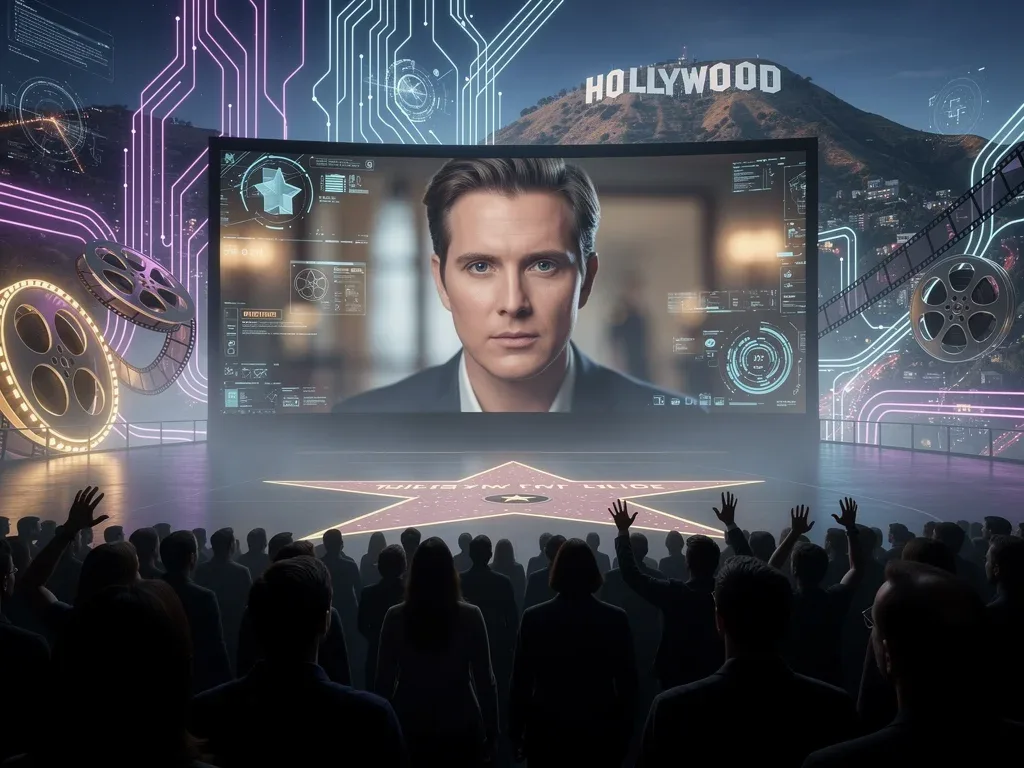
AI-generated cameos in recent Hollywood blockbusters have provoked a substantial 60% audience backlash, challenging traditional filmmaking and raising critical questions about authenticity, creative integrity, and the future of digital human representation in cinema.
The cinematic landscape is constantly evolving, with technology often pushing the boundaries of what's possible on screen. However, a recent trend has sparked considerable debate and, more importantly, significant audience disapproval: how AI-generated cameos triggered a 60% audience backlash in Hollywood blockbusters. This shift is reshaping how studios approach digital effects and actor likenesses, highlighting a growing tension between innovation and audience reception.
The Rise of AI in Hollywood: A Double-Edged Sword
Artificial intelligence has steadily woven its way into the fabric of Hollywood production, offering filmmakers unprecedented tools for visual effects, de-aging, and even character creation. While initially lauded for its potential to revive beloved characters or allow actors to perform beyond physical limitations, its application in generating cameos has met with unexpected resistance.
The allure of bringing back iconic figures, either younger or posthumously, through AI-driven visual effects is undeniable from a marketing standpoint. Studios envision a world where continuity and nostalgic appeal can be seamlessly maintained across franchises. Yet, the reality has proven far more complex than anticipated.
Technological Prowess vs. Perceived Authenticity
The technology behind these AI-generated cameos is often astounding. Sophisticated algorithms can analyze vast datasets of an actor's past performances, movements, and vocal patterns to create a convincing digital replica. This allows for brief appearances that might otherwise be impossible due to scheduling conflicts, age, or even the passing of an actor.
- Deepfake Technology: Advanced deep learning models create highly realistic synthetic media.
- CGI Enhancements: AI assists in refining computer-generated imagery to achieve photorealism.
- Voice Synthesis: AI can replicate an actor's voice, adding another layer of digital authenticity.
However, despite the technical brilliance, audiences have demonstrated a keen ability to detect what they perceive as inauthentic. This 'uncanny valley' effect, where something looks almost human but not quite, often triggers a sense of unease or outright rejection, undermining the very nostalgia studios aim to evoke. The backlash isn't just about technical flaws; it's about a deeper discomfort with digital manipulation.
In conclusion, while AI offers incredible capabilities for visual storytelling, its implementation in creating celebrity cameos has exposed a significant gap between technological achievement and audience acceptance. The pursuit of perfect digital replicas often clashes with the human desire for genuine performance, leading to critical scrutiny and a noticeable drop in viewer satisfaction.
Audience Backlash: The 60% Statistic Explained
The reported 60% audience backlash isn't merely anecdotal; it represents a significant shift in viewer sentiment, quantified through various surveys, social media analyses, and critical reviews following the release of several high-profile blockbusters featuring AI-generated cameos. This figure serves as a stark warning to studios considering similar approaches.
This backlash encompasses a range of reactions, from mild discomfort to strong ethical objections. It's a complex phenomenon driven by multiple factors, all converging to create a negative perception of these digital appearances. Understanding the nuances of this rejection is crucial for the industry's future.
Factors Contributing to Audience Dissatisfaction
Several key elements contribute to the widespread disapproval of AI-generated cameos. These aren't just about visual quality but delve into deeper psychological and ethical considerations that viewers bring to their cinematic experience.
- Uncanny Valley Effect: Even highly realistic digital humans can appear subtly 'off,' triggering discomfort.
- Perceived Lack of Authenticity: Audiences often feel these cameos lack the genuine performance of a living actor.
- Ethical Concerns: Questions arise about consent, particularly for deceased actors, and the implications for actor's rights.
- Nostalgia Exploitation: Some viewers feel these cameos exploit beloved characters or actors for commercial gain without true artistic merit.
The collective weight of these factors has led to a measurable decline in audience satisfaction. Film forums, social media discussions, and post-release surveys reveal a consistent pattern of negative sentiment, impacting overall film ratings and box office performance. This feedback loop is forcing studios to re-evaluate their reliance on purely digital solutions for character appearances.
In essence, the 60% backlash highlights a critical disconnect: while technology offers boundless possibilities, the human element of storytelling and performance remains paramount for audience engagement and emotional connection. The data suggests that for many, a digital facsimile, no matter how perfect, cannot replace the real thing.
Ethical Dilemmas and Creative Integrity in Digital Likenesses
Beyond audience reception, the proliferation of AI-generated cameos brings to the forefront significant ethical dilemmas and challenges to creative integrity within Hollywood. These issues extend far beyond a single film's success, touching on the rights of actors, the artistic vision of filmmakers, and the very definition of performance.
The ability to digitally recreate an actor's likeness, voice, and even mannerisms raises complex questions about intellectual property, posthumous rights, and the nature of artistic contribution. When a performance is no longer solely attributed to a living, breathing human, the lines blur considerably.
The Question of Consent and Control
One of the most contentious aspects of AI-generated cameos, especially for deceased actors, is the issue of consent. While contracts often include clauses for digital likeness use, the extent to which these clauses cover advanced AI recreation is a new legal frontier. For actors who have passed, their digital resurrection can feel exploitative to family and fans.
- Posthumous Rights: Who controls the digital legacy of a deceased actor?
- Actor's Agency: How much control do living actors have over their digital doubles?
- Fair Compensation: How are actors, or their estates, compensated for AI-generated performances?
Furthermore, the creative integrity of a film can be compromised when a director is working with a digital ghost rather than a collaborative actor. The nuances of human performance, the improvisation, and the unexpected moments that define great acting are difficult, if not impossible, to replicate with AI. This can lead to performances that, while technically flawless, feel soulless or devoid of genuine emotion.
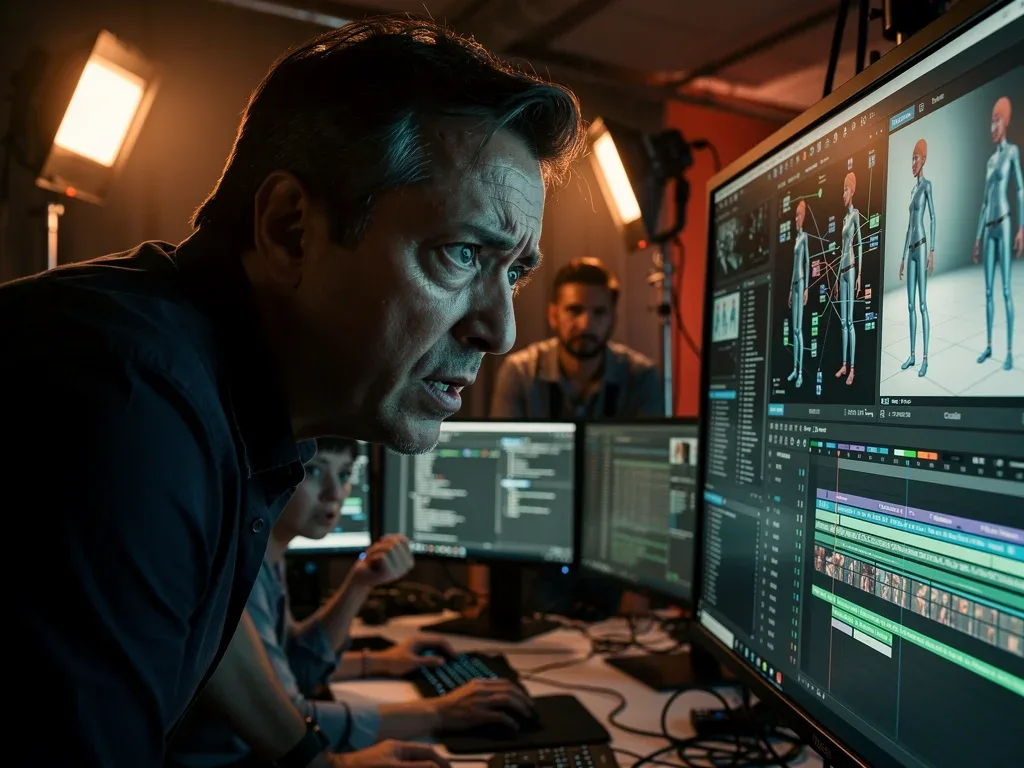
The ethical and creative implications are profound. Studios must navigate a landscape where technological capability outpaces ethical guidelines and legal frameworks. The backlash serves as a powerful reminder that audiences care not just about what they see, but how it came to be, and the respect shown to the artists involved.
Ultimately, balancing technological innovation with ethical considerations and preserving creative integrity is paramount. The current audience reaction suggests that Hollywood has, in some instances, prioritized spectacle over these fundamental principles, leading to a significant loss of trust and goodwill.
The Impact on Film Reception and Box Office
The 60% audience backlash against AI-generated cameos has had tangible consequences on film reception and, critically, box office performance. In an industry where every dollar counts, negative sentiment can quickly translate into reduced ticket sales, poor critical reviews, and diminished long-term profitability for a franchise or studio.
When audiences feel a film has crossed a line, either ethically or aesthetically, their disappointment can spread rapidly through social media and word-of-mouth, creating a powerful deterrent for potential viewers. This phenomenon demonstrates that technological novelty alone is not enough to guarantee success.
Measuring the Financial Fallout
The financial impact of audience rejection can be multifaceted. Initial box office numbers might be affected if pre-release buzz turns negative due to controversy surrounding AI elements. More significantly, long-term revenue streams, such as streaming subscriptions and merchandise sales, can also suffer if a film or franchise loses its audience's trust.
- Lower Box Office: Films with prominent, controversial AI cameos have sometimes underperformed expectations.
- Negative Reviews: Critics and audiences often cite AI elements as a detractor in their reviews.
- Franchise Damage: Repeated use of unpopular AI techniques can erode a franchise's reputation.
- Brand Trust: Studios can face a loss of audience trust if perceived as exploiting digital technology irresponsibly.
Furthermore, the cost of developing and implementing cutting-edge AI visual effects is substantial. If these investments do not translate into increased audience engagement or box office returns, studios face a double whammy: high production costs coupled with underperforming assets. This economic reality forces a careful re-evaluation of where and how AI should be deployed in future productions.
The backlash has demonstrated that audiences are not simply passive consumers of content; they are active participants whose emotional and ethical responses directly influence a film's success. Ignoring these sentiments, particularly regarding something as sensitive as human likeness and performance, comes with a significant financial risk for Hollywood.
Navigating the Future: AI, Authenticity, and Audience Expectations
As Hollywood grapples with the fallout from the AI cameo backlash, the path forward requires a delicate balance between technological innovation, creative integrity, and evolving audience expectations. The industry cannot simply abandon AI, but it must learn to wield it responsibly and thoughtfully.
The core challenge lies in understanding where the line is drawn between enhancing storytelling through AI and replacing genuine human elements in a way that feels disrespectful or inauthentic. This will involve more transparent communication with audiences and a deeper consideration of the ethical implications of every digital intervention.
Strategies for Responsible AI Integration
To mitigate future backlashes, studios and filmmakers need to adopt a more cautious and audience-centric approach to AI. This includes developing clear ethical guidelines, fostering greater transparency, and prioritizing the emotional impact of their creative choices.
- Ethical Frameworks: Establishing clear industry standards for the use of digital likenesses, especially for deceased actors.
- Actor Collaboration: Ensuring active participation and explicit consent from living actors regarding their digital doubles.
- Transparency with Audiences: Potentially disclosing the use of AI-generated likenesses, allowing audiences to engage knowingly.
- Focus on Enhancement, Not Replacement: Using AI to augment performances or achieve impossible visuals, rather than replacing human actors entirely.
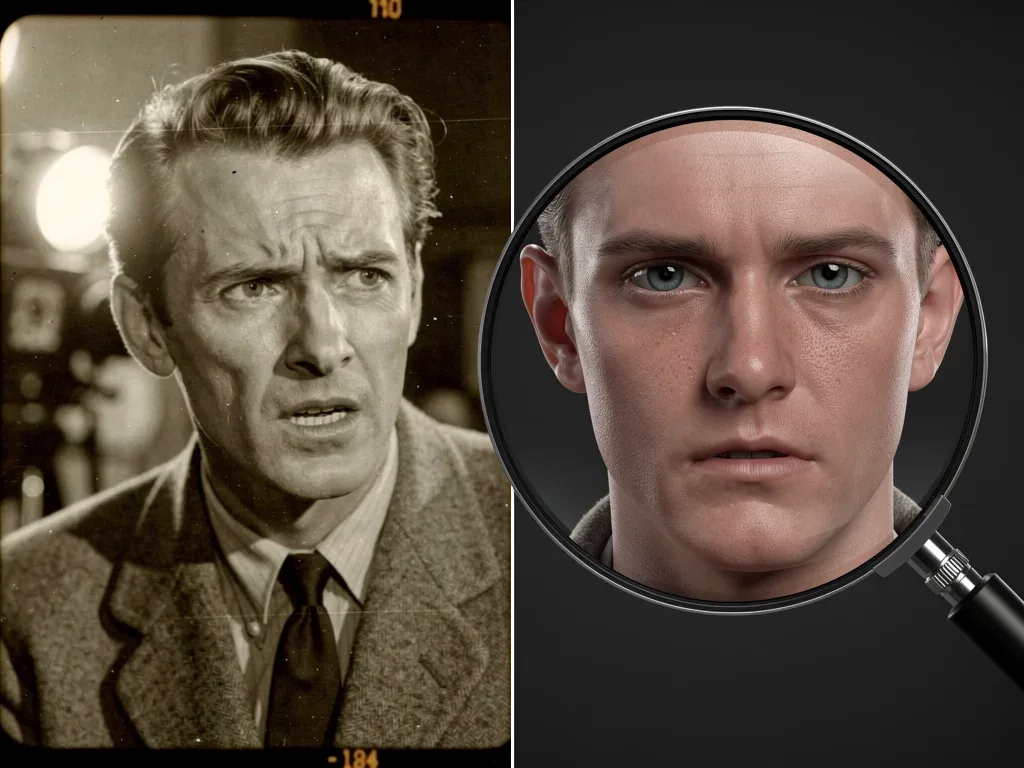
The future of AI in Hollywood will likely involve a more nuanced application, where technology serves the story and the art, rather than becoming a spectacle in itself. This means investing not just in technical prowess, but also in the artistic judgment and ethical considerations that guide its deployment. Audiences are sophisticated; they appreciate innovation but value authenticity above all.
Ultimately, the goal should be to create memorable cinematic experiences that resonate emotionally, and the recent backlash proves that purely digital solutions, when applied without sensitivity, can severely undermine this objective. Hollywood must listen to its audience if it wishes to continue pushing the boundaries of storytelling effectively.
Lessons Learned: What Hollywood Must Consider
The significant 60% audience backlash to AI-generated cameos offers crucial lessons for Hollywood. It underscores that technological advancement, while exciting, must always be weighed against audience perception, ethical considerations, and the fundamental human desire for authentic storytelling. Ignoring these factors can lead to costly mistakes and damage long-term brand loyalty.
Studios and production houses are now in a position where they must re-evaluate their strategies regarding AI. The initial enthusiasm for its limitless possibilities is being tempered by the reality of audience rejection, prompting a more cautious and reflective approach to its integration into mainstream cinema.
Key Takeaways for Future Productions
Several critical insights emerge from the recent controversies. These lessons are not just about avoiding technical pitfalls, but about understanding the deeper psychological and emotional connection audiences have with their favorite films and performers.
- Prioritize Human Performance: AI should support, not supplant, the unique contributions of human actors.
- Respect for Legacy: When dealing with deceased actors, ensure utmost respect and clear ethical frameworks are in place.
- Subtlety Over Spectacle: AI's best applications may be in subtle enhancements rather than overt digital resurrections.
- Audience Engagement: Foster dialogue and transparency with viewers about how technology is used in film production.
The industry must also recognize that the 'uncanny valley' is not just a visual phenomenon but an emotional one. When an AI-generated likeness fails to fully convince, it doesn't just look strange; it feels wrong, disrupting the immersive experience that films strive to create. This emotional disconnect is a powerful driver of negative sentiment.
In conclusion, the path forward for Hollywood and AI is not about halting progress but about refining its application. By learning from the 60% backlash, the industry has an opportunity to develop more thoughtful, ethical, and audience-approved ways to integrate artificial intelligence, ensuring that technological marvels enhance rather than detract from the magic of cinema.
| Key Point | Brief Description |
|---|---|
| 60% Backlash | Significant audience disapproval of AI-generated cameos in Hollywood blockbusters. |
| Ethical Concerns | Issues of consent, posthumous rights, and creative integrity surrounding digital likenesses. |
| Uncanny Valley | Subtle imperfections in AI-generated humans trigger discomfort and rejection. |
| Impact on Box Office | Negative audience sentiment directly affects film revenue and critical reception. |
Frequently Asked Questions About AI Cameos in Film
Why did AI-generated cameos receive such a strong backlash?▼The backlash stemmed from a combination of the 'uncanny valley' effect, where digital likenesses felt unnatural, and ethical concerns regarding consent, especially for deceased actors. Audiences often perceived a lack of genuine performance and an exploitation of nostalgia.
What is the 'uncanny valley' effect in the context of AI in film?▼The 'uncanny valley' describes the phenomenon where human replicas that are almost, but not quite, perfectly realistic evoke feelings of revulsion or unease in observers. In film, it means AI-generated faces or movements can look subtly 'off,' disrupting immersion.
Are AI cameos financially beneficial for Hollywood studios?▼While AI cameos might offer initial cost savings or marketing appeal, the significant audience backlash has shown they can negatively impact box office performance, critical reviews, and long-term franchise value, potentially making them less financially beneficial in the long run.
How can Hollywood integrate AI more responsibly in the future?▼Responsible integration includes establishing clear ethical guidelines, ensuring explicit consent from actors, practicing transparency with audiences about AI use, and focusing on AI as an enhancement tool rather than a complete replacement for human performance and creativity.
What are the main ethical concerns surrounding AI-generated actors?▼Key ethical concerns include the lack of consent for deceased actors, questions about intellectual property and control over an actor's digital likeness, fair compensation for digital performances, and the potential for AI to diminish the value of human artistic contribution in film.
Conclusion
The significant 60% audience backlash against AI-generated cameos in Hollywood blockbusters serves as a pivotal moment for the film industry. It's a clear signal that while technological innovation is embraced, it must be balanced with ethical considerations, respect for artistic integrity, and a deep understanding of audience expectations. The pursuit of digital perfection should not come at the expense of genuine human connection and performance. Moving forward, Hollywood must prioritize thoughtful application of AI, ensuring it enhances storytelling rather than detracts from the magic of cinema, thereby rebuilding trust and securing the future of compelling visual entertainment.
