30-Second Morning Habit: Science or Algorithm-Driven Viral Trend?
Advertisements
The viral 30-second morning habit's efficacy is a blend of psychological principles and algorithmic amplification, offering quick dopamine hits that might not equate to sustained well-being without deeper intentionality.
Is the viral 30-second morning habit supported by science or just clever algorithms? This question is on the minds of many as social media continues to churn out countless quick-fix solutions for everything from productivity to personal well-being. We'll delve into the origins, claims, and actual scientific backing behind these fleeting morning rituals.
The Rise of Micro-Habits in a Fast-Paced World
In an increasingly demanding world, the allure of quick solutions is undeniable. From fitness hacks to productivity tips, the internet, particularly platforms driven by short-form content, constantly introduces us to new ways to optimize our lives. The 30-second morning habit is a prime example of this phenomenon, promising significant benefits with minimal time investment. But what exactly constitutes a micro-habit, and why have they become so popular?
Micro-habits are essentially tiny, often effortless actions that can be performed in a minute or less. Their appeal lies in their low barrier to entry, making them feel achievable even on the busiest mornings. This psychological ease can lead to a sense of accomplishment, fostering a positive feedback loop. However, the true impact of such brief interventions warrants closer examination.
The Psychology Behind Small Changes
Behavioral psychology offers insights into why micro-habits resonate so strongly with us. The concept of 'habit stacking,' where a new habit is added immediately before or after an existing one, is a powerful tool. Additionally, the idea of 'minimum viable effort' suggests that starting small can overcome initial resistance and build momentum.
- Reduced Friction: Small habits require less willpower, making them easier to start and maintain.
- Consistent Wins: Successfully completing a micro-habit provides a sense of achievement, reinforcing the behavior.
- Foundation for Growth: Micro-habits can serve as stepping stones to larger, more complex routines.
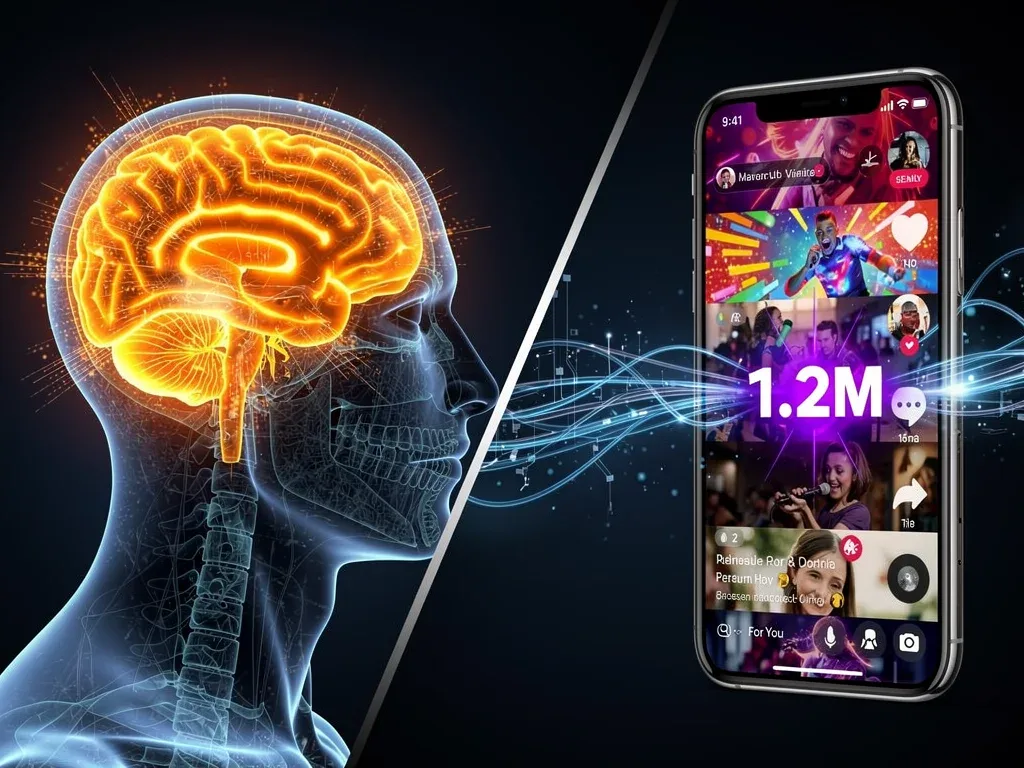
The rise of these habits is also deeply intertwined with our digital consumption patterns. Short, engaging videos on platforms like TikTok present these habits in an easily digestible, visually appealing format, encouraging rapid adoption and sharing. This virality, however, doesn't automatically equate to scientific validity.
Ultimately, understanding the appeal of micro-habits requires acknowledging both their psychological underpinnings and the powerful role of digital platforms in their dissemination. While the intent behind adopting these habits is often positive, a critical lens is necessary to discern genuine benefits from mere algorithmic trends.
Deconstructing the Viral 30-Second Morning Habit
The term '30-second morning habit' is broad, encompassing a variety of activities promoted across social media. These can range from drinking a glass of water immediately upon waking, to a quick stretch, a moment of gratitude, or even a specific breathing exercise. The common thread is their brevity and the promise of a significant positive impact on the rest of the day.
Many of these habits are presented as universal panaceas, capable of boosting energy, improving mood, and enhancing focus. The claims often border on hyperbolic, suggesting that these minuscule efforts can fundamentally alter one's entire morning and subsequent productivity. This raises an important question: can such a short intervention genuinely deliver on these grand promises?
Common Examples and Their Claims
Let's look at a few popular examples:
- Hydration First: Drinking water is touted to kickstart metabolism and rehydrate after sleep.
- Quick Stretch: Believed to improve circulation and reduce stiffness.
- Gratitude Moment: Focusing on positive thoughts to set a positive tone for the day.
- Deep Breathing: Aims to calm the nervous system and increase oxygen flow.
While each of these activities has inherent benefits, the critical aspect is whether a mere 30 seconds is sufficient to unlock the touted advantages. For instance, while hydration is crucial, the impact of a single glass of water consumed in 30 seconds might be more psychological than physiological in terms of immediate, profound benefits.
The deconstruction of these habits reveals a pattern: they often tap into well-established wellness practices but condense them into an ultra-short format for viral appeal. This condensation might dilute their effectiveness, transforming potentially beneficial routines into superficial gestures. The promise of instant results, a hallmark of viral content, often overshadows the nuanced reality of sustained well-being.
The Scientific Lens: What Research Says About Micro-Interventions
When examining the scientific validity of the 30-second morning habit, it's crucial to differentiate between the general benefits of an activity and the specific impact of performing it for such a short duration. While activities like hydration, stretching, and mindfulness are well-researched and proven beneficial, their efficacy is often tied to consistency, duration, and proper execution.
For instance, studies on the benefits of drinking water emphasize consistent hydration throughout the day, not just a single gulp upon waking. Similarly, while stretching is vital for flexibility and reducing muscle tension, a 30-second, unfocused stretch might offer minimal long-term physiological benefits compared to a more comprehensive routine.

Neuroscience of Habit Formation and Dopamine
The brain's reward system, particularly the release of dopamine, plays a significant role in habit formation. Completing a small, achievable task can trigger a dopamine release, creating a positive feedback loop that encourages repetition. This is where the 30-second habit truly shines from a psychological perspective. The ease of completion guarantees a quick 'win,' reinforcing the behavior.
- Dopamine Hit: Successfully completing a task, no matter how small, can provide a momentary sense of reward.
- Self-Efficacy: Accomplishing a small goal can boost confidence and belief in one's ability to achieve more.
- Gateway Effect: A micro-habit can lower the activation energy for starting other, larger tasks.
However, it's important to note that a dopamine hit from a 30-second activity, while pleasant, might not translate into profound, sustained changes in mood, energy, or cognitive function. True well-being often requires more substantial and consistent effort.
In essence, science supports the *principle* of starting small and building habits, and it validates the benefits of the *activities themselves*. Where the scientific support might waver is in the claim that a mere 30 seconds is enough to unlock the full spectrum of benefits often promised by viral content. The immediate gratification aspect is certainly present, but its long-term impact needs to be viewed with a critical eye.
The Algorithmic Engine: How Virality Shapes Our Routines
Beyond the inherent psychological appeal, the rapid spread and adoption of the 30-second morning habit are undeniably fueled by sophisticated algorithms. Social media platforms are designed to identify, amplify, and distribute content that captures attention and encourages engagement. Short, easily digestible, and aspirational content like these micro-habits are perfectly suited for this algorithmic landscape.
When a user watches, likes, shares, or comments on a video showcasing a 30-second habit, the algorithm interprets this as a signal of interest. This content is then shown to more users with similar interests, creating a self-perpetuating cycle of virality. The simplicity of the habit also makes it easy for users to replicate and create their own versions, further boosting its reach.
The Feedback Loop of Engagement
The design of platforms like TikTok and Instagram Reels prioritizes short-form video, making a 30-second habit an ideal format. Creators benefit from high engagement, and platforms benefit from increased user time. This symbiotic relationship drives the proliferation of such content, regardless of its scientific merit.
- Ease of Consumption: Short videos are quickly consumed, fitting into brief attention spans.
- Replicability: Simple habits are easy for users to try and share their own experiences.
- Aspirational Content: Portraying an optimized morning routine taps into desires for self-improvement.
The algorithms don't discern scientific accuracy; they prioritize engagement. If a post about a 30-second habit generates significant interaction, it will be promoted. This means that a habit can become immensely popular simply because it's engaging, not necessarily because it's profoundly effective or scientifically sound.
Therefore, while the 30-second morning habit might offer some psychological benefits due to the act of completion, its widespread adoption owes much to the intricate workings of digital algorithms that prioritize virality and engagement over validated efficacy. Users are often engaging with a trend as much as they are adopting a new routine.
Distinguishing Genuine Wellness from Trend-Driven Fads
Navigating the sea of wellness advice online requires a discerning eye, especially when distinguishing genuinely beneficial practices from fleeting, trend-driven fads. The 30-second morning habit often blurs this line, containing elements of both. True wellness is typically built on consistent, holistic practices, while fads often promise quick fixes with minimal effort.
A key indicator of a fad is often its oversimplified claims and the lack of robust, peer-reviewed scientific evidence supporting the specific short-duration application. While a 30-second moment of gratitude is certainly better than no gratitude at all, it's unlikely to cultivate the deep sense of appreciation and positive psychological shifts that a more sustained mindfulness practice might offer.

Critical Evaluation for Sustainable Habits
To differentiate, consider these points:
- Evidence Base: Does the habit have a strong foundation in scientific research, not just anecdotal evidence or influencer testimonials?
- Duration vs. Impact: Is the claimed benefit realistically achievable within the suggested timeframe, or is it an oversimplification of a more complex practice?
- Holistic View: Does the habit integrate into a broader, sustainable wellness strategy, or does it stand alone as a quick fix?
Many viral habits, while not inherently harmful, might distract individuals from pursuing more impactful, long-term wellness strategies. The satisfaction derived from completing a 30-second task can create an illusion of progress without addressing underlying needs for sustained well-being.
Ultimately, genuine wellness is about sustainable practices that contribute to physical, mental, and emotional health over time. While micro-habits can serve as entry points or supplements, they should not be mistaken for comprehensive solutions. A critical perspective helps us prioritize efforts that truly foster long-term health rather than chasing every viral trend.
Integrating Micro-Habits Smartly into Your Routine
While the skepticism surrounding the profound impact of a mere 30-second morning habit is warranted, that doesn't mean these micro-interventions are entirely without value. When approached strategically, they can serve as excellent entry points for building more substantial routines or as powerful psychological anchors to start your day positively. The key lies in intentional integration rather than passive adoption.
Instead of viewing a 30-second habit as a complete solution, consider it a 'seed' for growth. For example, a 30-second gratitude practice might evolve into a 5-minute journaling session. A quick stretch might be the precursor to a longer yoga routine. The initial low barrier to entry can help overcome procrastination and build consistency, which is often the hardest part of forming new habits.
Practical Tips for Effective Micro-Habit Adoption
To maximize the benefits of micro-habits:
- Define Your 'Why': Understand the specific benefit you seek, rather than just following a trend.
- Stack Strategically: Link your 30-second habit to an existing, consistent morning activity (e.g., after brushing your teeth).
- Focus on Consistency: The power of micro-habits comes from daily repetition, not intensity.
- Allow for Evolution: Be open to extending the duration or complexity of the habit as it becomes ingrained. 4-Day Micro-Declutter Method: Reclaim 10 Hours Weekly
It's also important to manage expectations. A 30-second habit is unlikely to revolutionize your life overnight, but it can contribute to a positive cumulative effect over time. The psychological boost from consistently completing a small task can be surprisingly motivating, setting a positive tone for tackling larger goals.
By consciously integrating micro-habits, understanding their limitations, and using them as a springboard for further development, individuals can leverage the viral appeal of these routines into genuinely beneficial personal growth, moving beyond mere algorithmic trends towards sustainable self-improvement.
The Future of Wellness Trends: Beyond the 30-Second Fix
The prevalence of the 30-second morning habit and similar micro-interventions signals a broader shift in how wellness trends are consumed and perceived in the digital age. As attention spans shorten and the demand for instant gratification grows, the wellness industry increasingly caters to bite-sized solutions. However, this trajectory also raises questions about the long-term sustainability and true efficacy of such approaches.
The future of wellness trends will likely involve a continuous interplay between scientific validation and algorithmic amplification. Consumers are becoming more savvy, often seeking evidence-based practices, yet the allure of viral content remains potent. This creates a challenge for creators and platforms to strike a balance between engaging content and responsible information dissemination.
Navigating the Digital Wellness Landscape
Looking ahead, we can anticipate several developments:
- Increased Scrutiny: Greater demand from users for scientific backing and credible sources for wellness claims.
- Personalized Micro-Habits: Algorithms might evolve to suggest micro-habits tailored to individual needs and goals, rather than generic trends.
- Integration with Technology: Wearable tech and apps could provide feedback on the actual impact of micro-habits, offering data-driven insights.
- Focus on Holistic Systems: A return to emphasizing comprehensive wellness systems, with micro-habits serving as supportive components rather than standalone solutions.
The ultimate goal for individuals should be to cultivate a critical approach to digital wellness trends. This involves questioning claims, seeking diverse perspectives, and understanding that genuine well-being is a journey of consistent effort, not a destination reached by a single 30-second shortcut.
The conversation around viral wellness trends will continue to evolve, pushing us to become more intentional in our choices and to prioritize practices that offer deep, lasting benefits over those that merely offer fleeting engagement. The 30-second habit is a snapshot of this ongoing evolution, a reminder to seek substance beyond the sensational.
| Key Point | Brief Description |
|---|---|
| Viral Appeal | 30-second habits are popular due to their brevity and ease of sharing on social media. |
| Scientific Backing | Activities like hydration or stretching have benefits, but 30 seconds may not yield profound effects. |
| Algorithmic Role | Algorithms amplify engaging content, prioritizing virality over verified efficacy. |
| Smart Integration | Micro-habits can be useful as starting points for larger, more sustainable wellness routines. |
Frequently Asked Questions About Morning Habits
Is the 30-second morning habit scientifically proven to be effective?▼While the individual components of many 30-second habits (e.g., hydration, stretching) are scientifically beneficial, the profound claims often associated with performing them for only 30 seconds lack specific scientific backing. They offer psychological boosts more than deep physiological changes.
Why are these short morning habits so popular on social media?▼Their popularity stems from their brevity, ease of replication, and aspirational nature. Social media algorithms favor short, engaging content, leading to rapid dissemination and high user interaction, regardless of the habit's long-term efficacy.
Can a 30-second habit truly improve my overall well-being?▼A 30-second habit can provide a quick positive psychological start to your day and act as a stepping stone. However, for significant and sustained improvements in overall well-being, these micro-habits usually need to evolve into more comprehensive and consistent routines.
How can I tell if a viral wellness trend is legitimate or a fad?▼Look for scientific evidence beyond anecdotal claims. Evaluate if the claimed benefits are realistic for the effort involved. Legitimate practices often emphasize consistency and holistic approaches, while fads promise quick, effortless transformations without deep engagement.
What is the best way to integrate a 30-second habit into my routine?▼Integrate it intentionally by linking it to an existing habit (habit stacking). Focus on consistency over intensity, and view it as a starting point that can evolve into a more substantial practice. Define your 'why' to ensure it aligns with your personal goals.
Conclusion
The viral 30-second morning habit occupies a fascinating space at the intersection of psychology, digital trends, and genuine wellness aspirations. While the individual activities often have scientific merit, the claims of profound, life-altering benefits from such brief interventions are frequently amplified by algorithmic engagement rather than robust scientific evidence. These micro-habits excel at providing quick dopamine hits and fostering a sense of accomplishment, making them excellent entry points for larger behavioral changes. However, for sustainable and significant improvements in well-being, a more comprehensive and consistent approach is invariably required. As we navigate an increasingly digital wellness landscape, cultivating a critical perspective allows us to harness the motivational power of micro-habits while discerning genuine, long-term solutions from fleeting internet fads.
