2010s Pop Culture Reboots: Why Nostalgia Cycles are Shrinking
Advertisements
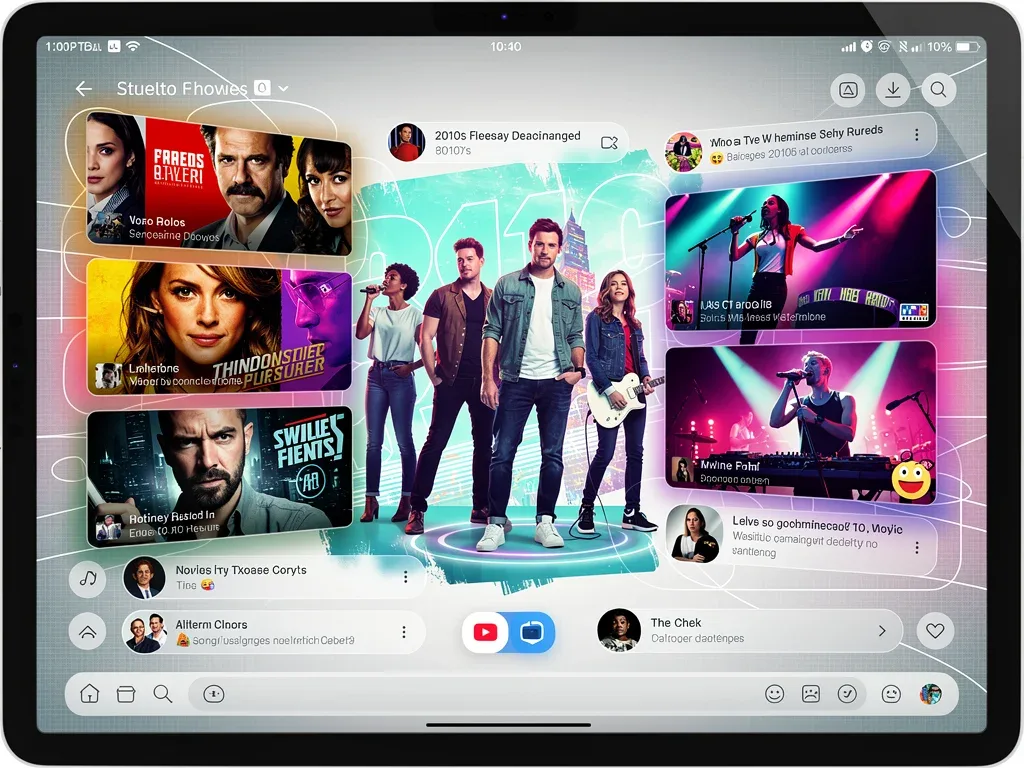
The nostalgia cycle for 2010s pop culture reboots is shrinking due to accelerated digital content consumption, streaming platforms' continuous demand, and a heightened desire for immediate gratification among audiences.
It feels like just yesterday we were binging our favorite shows and movies from the 2010s, and yet, suddenly, reboots and revivals of that very era are already dominating our screens. The phenomenon of the 2010s pop culture reboots hitting us a mere decade later is a fascinating development, signaling a significant shift in how we consume and revisit entertainment.
The Accelerating Pace of Pop Culture
The pace at which pop culture moves has never been faster. What once took decades to be deemed 'classic' and ripe for a revisit now seems to happen in the blink of an eye. This acceleration is not just a feeling; it's a measurable trend driven by several interconnected factors that have reshaped our entertainment landscape.
Understanding this rapid turnover requires a look at the foundational changes in media consumption and production. The internet, social media, and the rise of streaming services have fundamentally altered how content is created, distributed, and absorbed by audiences, compressing the traditional nostalgia timeline.
Digital Natives and Instant Gratification
A significant driver behind the shrinking nostalgia cycle is the emergence of digital natives. Generations who grew up with constant internet access and on-demand content expect instant gratification in all aspects of their lives, including entertainment. This expectation fosters a unique relationship with media.
- On-Demand Culture: Streaming platforms have normalized immediate access to vast libraries, making older content just a click away.
- Social Media Engagement: Online discussions and fan theories keep shows and movies relevant long after their initial run.
- Content Overload: The sheer volume of new content makes quick re-engagement with familiar narratives appealing.
This demographic isn't just consuming content; they're actively participating in its longevity. Their constant engagement, fueled by digital platforms, ensures that cultural touchstones remain in the collective consciousness, ready for a swift return.
The continuous feedback loop between creators and audiences, facilitated by digital tools, also plays a crucial role. Fan art, fan fiction, and viral memes all contribute to keeping the spirit of a show or movie alive, making it easier for studios to gauge interest in a revival much sooner than in previous eras.
In essence, the digital age has created a perpetual motion machine for pop culture, where older content is constantly being rediscovered, recontextualized, and re-demanded by a highly engaged and digitally fluent audience.
Streaming Wars and Content Scarcity
The fierce competition among streaming services is another primary catalyst for the accelerated nostalgia cycle. Platforms like Netflix, Disney+, HBO Max, and others are in a constant battle for subscribers, and original content alone often isn't enough to secure loyalty. This intense competition has led to a strategic shift.
Instead of relying solely on entirely new intellectual property, which carries inherent risks, studios are increasingly turning to proven formulas. Reboots of popular 2010s pop culture properties offer a safer bet, leveraging existing fanbases and pre-established brand recognition. This reduces marketing costs and increases the likelihood of audience engagement from day one.
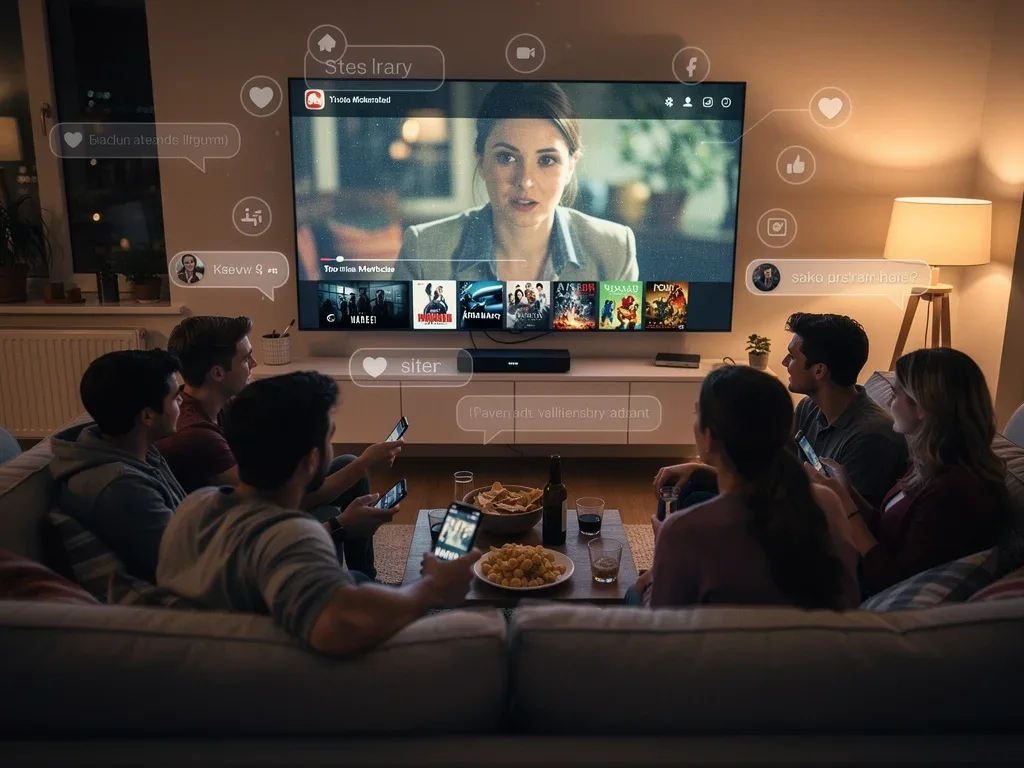
The need for a steady stream of content to retain subscribers means that platforms are always looking for quick wins. A reboot or revival of a beloved 2010s show can be fast-tracked through production, capitalizing on the relatively recent memory of its original run. This strategy fills content gaps efficiently.
The Value of Pre-Existing Fanbases
Reboots inherently come with a built-in audience, a critical advantage in the crowded streaming landscape. Fans who grew up with these shows and movies are eager to revisit them, often bringing new generations into the fold. This cross-generational appeal is a goldmine for platforms.
- Guaranteed Viewership: Initial viewership numbers are often higher for reboots due to established fan loyalty.
- Marketing Efficiency: Less marketing effort is required when a title already has public awareness.
- Merchandising Opportunities: Revived franchises often lead to new merchandising and ancillary revenue streams.
Furthermore, these reboots often tap into a sense of collective identity for viewers. They offer a comforting familiarity in a rapidly changing world, providing a sense of shared experience that can foster community among viewers. This emotional connection is a powerful tool for subscriber retention.
The economic realities of the streaming industry, combined with the proven success of leveraging known brands, make 2010s pop culture reboots an almost irresistible proposition. It's a pragmatic approach to content strategy that prioritizes audience engagement and financial viability.
The Rise of Nostalgia as a Commodity
Nostalgia has always been a powerful force, but in recent years, it has transformed into a highly marketable commodity. For many, the 2010s represent a specific, perhaps simpler, time. Reboots offer a return to that perceived comfort, a momentary escape from present-day complexities.
This commodification is evident in how actively studios and platforms are mining recent history for content. The 2010s, being a decade of significant technological and cultural shifts, offers a rich tapestry of stories and aesthetics that resonate strongly with today's audiences, many of whom were children or young adults during that period.
Generational Connection and Identity
For millennials and Gen Z, who were coming of age or in their formative years during the 2010s, these reboots are more than just entertainment; they're a connection to their past selves. This demographic is now in a position to consume and influence media, and their demand for these revisitations is palpable.
- Shared Experiences: Reboots evoke shared memories and cultural touchstones from a formative period.
- Intergenerational Appeal: Parents who enjoyed 2010s content can introduce it to their children through reboots.
- Comfort in Familiarity: In uncertain times, familiar stories offer a sense of security and emotional comfort.
The appeal is not just about reliving the past, but also about re-evaluating it through a contemporary lens. Many 2010s pop culture reboots attempt to update themes or characters to reflect current societal values and discussions, making them relevant to new audiences while still catering to the original fanbase.
This delicate balance between honoring the original and adapting for the present is key to the success of these reboots. It allows for a fresh perspective on beloved stories, ensuring their continued cultural relevance and commercial viability. The emotional investment audiences have in these properties is a significant asset.
Technological Advancement and Production Efficiency
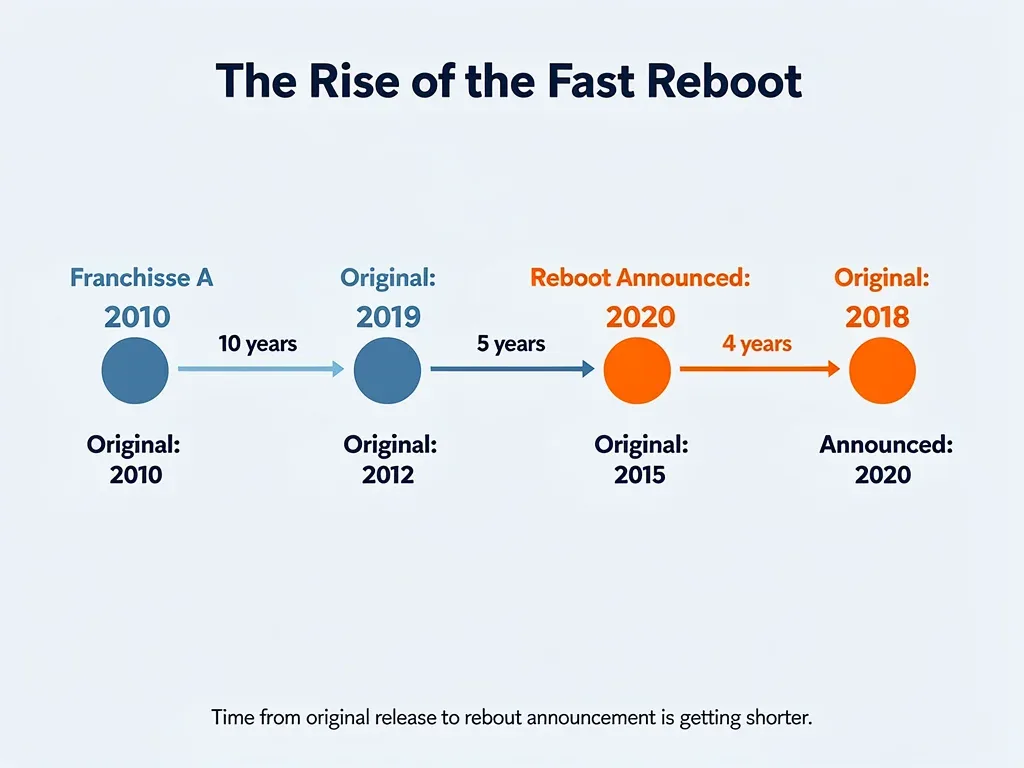
Technological advancements in filmmaking and television production have also played a crucial role in shortening the nostalgia cycle. What once required extensive resources and time can now be accomplished with greater efficiency, making reboots more feasible and cost-effective.
Improved CGI, virtual production techniques, and more streamlined post-production processes mean that bringing back beloved worlds and characters is less arduous than it used to be. This efficiency allows studios to turn around reboots much faster, striking while the iron of nostalgia is still hot.
Accessibility of Talent and Intellectual Property
The entertainment industry is a vast network, and the accessibility of talent and intellectual property has become more fluid. Many creators, writers, and actors from the 2010s era are still active and often eager to revisit projects that were significant to their careers. This makes assembling a team for a reboot relatively straightforward.
- Creator Availability: Original creators and cast members are often available and willing to return.
- Data-Driven Decisions: Analytics help identify which properties have the highest demand for revival.
- Global Production: International co-productions and remote work facilitate faster development and execution.
Furthermore, the legal landscape surrounding intellectual property has become more sophisticated. Studios are more adept at navigating rights and securing permissions for reboots, often having foresight into future revival potential even during the original run of a show or movie. This strategic planning contributes to the rapid turnaround.
The combination of advanced production tools and a more agile industry ecosystem means that the logistical hurdles of bringing back 2010s pop culture are significantly reduced. This allows for a more responsive approach to audience demand and market trends.
The "Always Online" Culture and Viral Trends
Our "always online" culture profoundly impacts the nostalgia cycle. Content, whether new or old, lives on indefinitely through social media, fan forums, and dedicated online communities. A brief mention or a viral meme can reignite interest in a forgotten piece of 2010s pop culture overnight.
This constant digital presence means that cultural touchstones from the recent past are never truly "gone." They are continuously recycled, referenced, and rediscovered by new audiences, maintaining a level of cultural currency that previous generations of content simply couldn't achieve without active re-promotion.
The Power of Fan Engagement and Remix Culture
Fans are no longer passive consumers; they are active participants in shaping culture. Through fan edits, tribute videos, and creative reinterpretations, they keep the spirit of 2010s pop culture alive and evolving. This "remix culture" is a powerful force, demonstrating ongoing interest and demand.
- Viral Resurgence: Old clips or moments from 2010s shows can go viral, sparking renewed interest.
- Fan Theories & Discussions: Online communities actively dissect and celebrate past content, keeping it relevant.
- Creator Interaction: Social media allows creators to gauge fan interest directly and build anticipation for reboots.
The direct interaction between creators and their audience via social media also plays a role. Showrunners and actors can directly poll their followers about potential reboots or gauge excitement for specific projects, turning fan engagement into valuable market research. This direct feedback loop significantly shortens the time from concept to production.
The digital landscape has essentially created a perpetual motion machine for content, where nothing truly fades into obscurity. Instead, it waits for the right moment—or the right viral trend—to be brought back into the spotlight, making the return of 2010s pop culture reboots feel almost inevitable, and certainly much faster.
Future Implications and Sustainability of Reboots
The shrinking nostalgia cycle raises important questions about the future of pop culture. If we are already revisiting content from just a decade ago, what does this mean for originality and the creation of new intellectual property? Will the cycle continue to compress, leading to an even faster turnover?
There's a potential risk of oversaturation. While reboots currently offer a reliable path to viewership, a constant stream of them could eventually lead to audience fatigue. The challenge for creators and studios will be to find the right balance between honoring the past and innovating for the future.
Maintaining Quality and Originality
For reboots to remain successful, they must offer more than just a trip down memory lane. They need to provide compelling narratives, fresh perspectives, and high production quality to justify their existence. Simply rehashing old stories without adding new value will likely fall flat.
- Innovation within Familiarity: Successful reboots often introduce new elements or themes while retaining the core appeal.
- Avoiding Fan Fatigue: Over-reliance on reboots might diminish their special appeal over time.
- Balancing New and Old: The industry must continue to invest in original content alongside reboots to foster creativity.
The sustainability of this rapid reboot culture also depends on the ability to attract and retain new audiences. If reboots primarily cater to existing fans, they might struggle to grow and evolve. The most successful examples manage to bridge the gap, appealing to both nostalgic viewers and those discovering the content for the first time.
Ultimately, the accelerated nostalgia cycle for 2010s pop culture reboots is a reflection of a dynamic and rapidly evolving media landscape. It's a testament to the power of digital platforms, the demands of streaming, and the enduring human desire for connection to the past, even the very recent past. How the industry adapts to and manages this accelerated pace will define the entertainment of tomorrow.
| Key Factor | Impact on Nostalgia Cycle |
|---|---|
| Digital Acceleration | Instant access and constant online engagement keep content relevant, speeding up demand for reboots. |
| Streaming Wars | Platforms seek proven IPs with built-in fanbases for quick content wins and subscriber retention. |
| Nostalgia as Commodity | 2010s content offers comfort and connection for millennials/Gen Z, driving demand for revisits. |
| Technological Efficiency | Advanced production methods allow faster, more cost-effective reboot development and release. |
Frequently Asked Questions About Pop Culture Reboots
Why are 2010s reboots happening so quickly?▼The rapid emergence of 2010s reboots is primarily driven by digital content acceleration, intense streaming platform competition, and strong audience demand for familiar yet updated narratives from their formative years.
How do streaming services contribute to this trend?▼Streaming services are constantly seeking content to attract and retain subscribers. Reboots of popular 2010s properties offer a low-risk, high-reward strategy by leveraging existing fanbases and reducing marketing overhead, filling content libraries efficiently.
Is this trend sustainable for the long term?▼While currently successful, there's a risk of audience fatigue if reboots oversaturate the market. Sustainability depends on studios balancing nostalgia with genuine innovation and maintaining high-quality storytelling to avoid simply rehashing old content.
What role does social media play in shortening the cycle?▼Social media keeps past content alive through viral trends, fan discussions, and constant referencing. This continuous digital presence fosters ongoing interest and provides creators with real-time feedback, accelerating the demand and feasibility for reboots.
Are reboots always faithful to the original 2010s content?▼Not always. While many reboots aim to capture the original spirit, they often introduce new storylines, update themes, or modernize characters to resonate with contemporary audiences and societal values. This balance is crucial for broader appeal.
Conclusion
The shrinking nostalgia cycle, particularly evident in the rapid return of 2010s pop culture reboots, is a clear indicator of a transformed media landscape. This phenomenon is not merely a fleeting trend but a complex interplay of digital acceleration, the strategic imperatives of streaming services, and a pervasive societal craving for comfort and connection through familiar narratives. As we navigate this new era of entertainment, understanding these underlying dynamics becomes crucial. The challenge for creators and consumers alike will be to appreciate the value of revisiting beloved stories while also nurturing the creation of original content that will inspire the next wave of cultural touchstones, ensuring a vibrant and diverse future for pop culture.
